 TECH TIMES NEWS
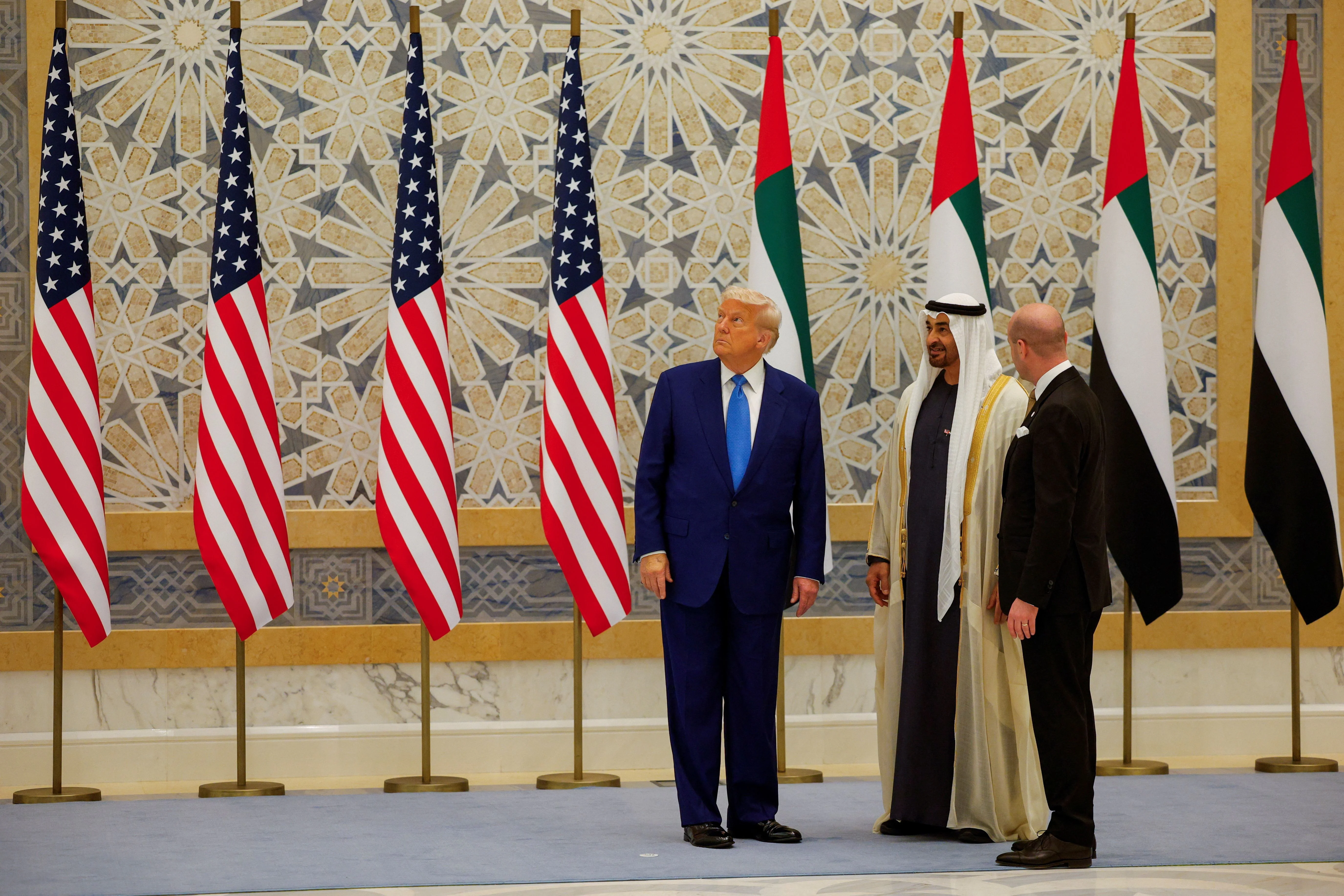
In a significant geopolitical shift, the United Arab Emirates is preparing to deepen its collaboration with the United States in the field of artificial intelligence (AI), signaling a recalibration of its international tech partnerships after previous tensions with Washington over its AI ties to China.
According to senior officials and sources familiar with ongoing discussions, the UAE is now prioritizing strategic cooperation with the U.S. on AI research, infrastructure, and regulation. This move comes after months of quiet diplomatic negotiations aimed at reassuring Washington of the UAE’s alignment with American technology and security interests.
Background: Tensions with the U.S. over China Tech Links
The pivot follows a period of strained relations between Abu Dhabi and Washington. U.S. officials had expressed concerns about the UAE’s expanding AI and tech partnerships with Chinese companies, particularly in areas involving sensitive data, surveillance systems, and advanced semiconductors. These partnerships included collaborations with entities allegedly linked to China's military-industrial complex, prompting the U.S. to issue warnings and restrict certain technology exports to the Gulf state.
In 2023 and 2024, several Emirati companies were subjected to increased scrutiny under the U.S. Export Control Reform Act, which regulates the flow of emerging and foundational technologies. This resulted in delays to joint projects, investment freezes, and increased diplomatic pressure from Washington.
New Era of AI Collaboration
Now, in a marked policy adjustment, Emirati leaders are signaling a stronger commitment to U.S. technology ecosystems. A new memorandum of understanding (MoU) on AI cooperation is expected to be signed later this year between the UAE’s Ministry of Artificial Intelligence and U.S. counterparts, including the Department of Commerce and the National Institute of Standards and Technology (NIST).
The agreement is set to cover several key areas:
-
Joint AI Research and Innovation: Shared funding and collaborative development of large language models, robotics, and smart infrastructure.
-
Ethical AI and Regulatory Frameworks: Harmonization of standards for responsible AI development, particularly in biometric and data privacy applications.
-
Talent and Education Exchange: Launch of AI fellowship programs and cross-border academic initiatives between Emirati institutions and leading U.S. universities.
-
Secure Semiconductor Supply Chains: Commitments to sourcing chips and AI hardware from trusted American suppliers, potentially including partnerships with NVIDIA, Intel, and AMD.
According to a senior UAE official speaking on condition of anonymity, “The UAE is committed to being a trusted global player in AI. We understand the strategic concerns of our allies and are actively working to align our partnerships with global norms and security standards.”
Implications for the Region and Beyond
Analysts believe this shift could have far-reaching implications for the geopolitics of emerging technologies. The UAE, a major investor in AI startups and infrastructure through its sovereign wealth funds, has positioned itself as a key player in the global AI race.
By moving closer to the U.S., the UAE may also influence other regional powers to re-evaluate their tech allegiances amid growing concerns about digital sovereignty, cybersecurity, and the militarization of AI.
This development also underscores Washington’s strategy of encouraging like-minded partners to "de-risk" from Chinese tech dependencies without forcing them into binary choices. The Biden administration’s approach has been to offer more attractive alternatives rather than impose blanket bans.
A Balancing Act Continues
Despite this new trajectory, experts caution that the UAE is unlikely to sever all ties with China, which remains a vital economic partner. The Emirati model has traditionally emphasized diversification and strategic autonomy — a stance that will continue to inform its foreign policy.
Still, the clear pivot toward deeper cooperation with the U.S. in the AI space marks a notable realignment, reflecting the growing weight of digital alliances in global diplomacy.
Looking Ahead
As the global race for AI supremacy intensifies, countries like the UAE are finding themselves at the center of a delicate balancing act — navigating between innovation, economic growth, and geopolitical loyalty. How they manage this transition could shape the future of technology governance for years to come.