 TECH TIMES NEWS
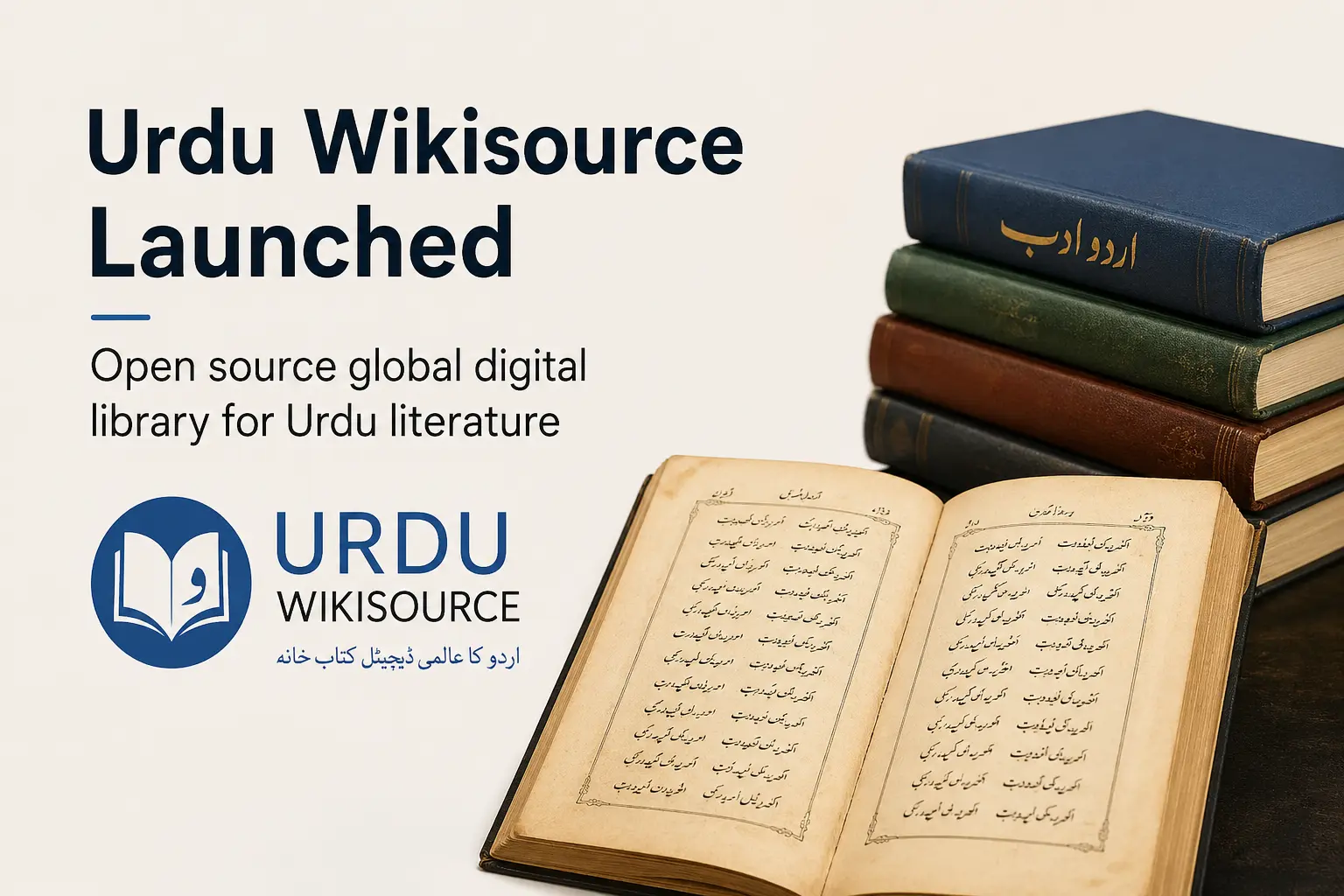
Urdu Wikisource, the latest addition to the Wikimedia Foundation’s suite of open knowledge platforms, has officially launched as a free, collaborative digital library dedicated to Urdu literature. The platform aims to provide unrestricted access to a wide range of texts—from classical poetry and historical manuscripts to modern prose—marking a significant milestone in the digitization of South Asian linguistic heritage.
Unlike conventional digital libraries, Wikisource operates on an open-source, community-driven model, allowing volunteers to upload, proofread, and curate content. This ensures both scalability and authenticity, while reducing dependence on centralized institutions.
What Readers and Researchers Can Expect
The newly launched Urdu Wikisource offers users access to public domain works in a structured, searchable format. Key features include:
- Digitized and proofread versions of literary texts
- Side-by-side scans of original manuscripts for verification
- Unicode-compliant text for easy readability across devices
- Open licensing that allows reuse, distribution, and academic referencing
For students, researchers, and language enthusiasts, this means easier access to rare and otherwise inaccessible works—without geographical or financial barriers.
Strategic Significance: Beyond Just a Library
The launch is not just about access—it reflects a broader strategic push toward preserving underrepresented languages in the digital ecosystem. While English and a few global languages dominate online content, initiatives like Urdu Wikisource help bridge the digital language divide.
Experts in digital humanities highlight that such platforms play a critical role in:
- Safeguarding endangered or less-digitized literary traditions
- Enabling AI and NLP models to train on diverse linguistic datasets
- Supporting academic research with reliable primary sources
In this context, Urdu Wikisource becomes both a cultural archive and a technological asset.
Community-Driven Growth Model
A defining strength of Wikisource projects is their reliance on volunteer contributors. Urdu Wikisource is expected to grow through community participation, including linguists, students, and literature enthusiasts.
Contributors can:
- Upload scanned texts that are in the public domain
- Proofread and validate existing content
- Organize collections by author, genre, or era
This decentralized model not only accelerates content expansion but also ensures continuous quality improvement.
Challenges Ahead: Quality, Copyright, and Scale
Despite its promise, the platform faces practical challenges. Ensuring accuracy in transcription, maintaining quality control, and navigating copyright restrictions for modern works remain key concerns.
Additionally, scaling content to match the richness of Urdu’s literary history will require sustained community engagement and institutional support.
The Bigger Picture: Open Knowledge Movement Gains Momentum
The launch of Urdu Wikisource aligns with a global trend toward open-access knowledge platforms. As digital consumption rises, the demand for freely accessible, high-quality content continues to grow.
For Urdu—a language with a rich literary tradition but relatively limited digital presence—this initiative could serve as a turning point. It not only preserves the past but also enables future innovation in education, research, and technology.
Key Takeaway
Urdu Wikisource is more than a digital repository—it is an infrastructure layer for cultural preservation and knowledge democratization. For readers, it means access; for researchers, it offers resources; and for the broader tech ecosystem, it contributes to a more inclusive digital future.