 TECH TIMES NEWS
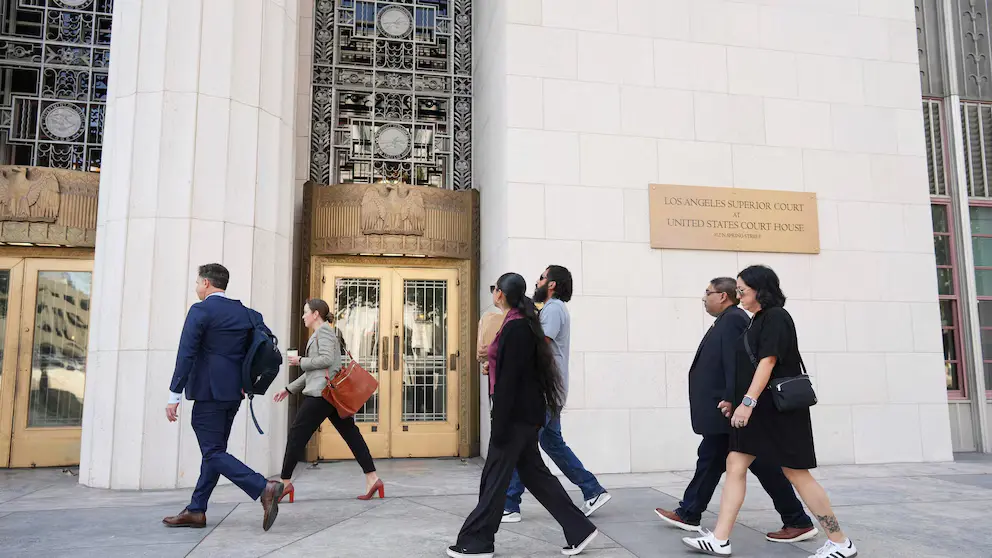
In a Texas court, the makers of Call of Duty have come under legal scrutiny as part of a lawsuit filed by families of the victims of the Uvalde school shooting. The plaintiffs allege that the game — along with gun manufacturer Daniel Defense and social media platforms — played a role in shaping the behavior of the teenage shooter who killed 19 children and two teachers in May 2022. However, a U.S. lawyer representing the video game industry's interest has argued that such claims are legally flawed and violate constitutional protections.
Defense Argues Video Games Are Protected Expression
The legal team, defending Activision Blizzard, emphasized that Call of Duty is a form of protected speech under the First Amendment. The lawyer stated that blaming a video game for a criminal act lacks both legal precedent and factual foundation. According to the defense, courts have repeatedly ruled that fictional media, including violent video games, cannot be held liable for real-world actions carried out by individuals. “There is no legal basis to say that playing a video game like Call of Duty compels someone to commit an atrocity,” the attorney stated in court.
The Shooter’s Arsenal and Online Behavior Under the Microscope
The shooter, an 18-year-old former student, reportedly used a Daniel Defense AR-15-style rifle and had an online history that included exposure to gun content through social media. The lawsuit contends that a combination of video games, aggressive firearm marketing, and online platforms normalized and even glorified violence. Plaintiffs argue that this ecosystem desensitized the shooter and influenced his decision-making, drawing attention to broader societal issues involving digital media and youth behavior.
A Wider Legal and Social Debate
This case has become a flashpoint in the national conversation about mass shootings, corporate accountability, and youth culture. While the defense insists that entertainment content cannot be held responsible for acts of violence, critics argue that modern media — especially interactive and immersive content — can play a subtle yet significant role in shaping young minds. The outcome of this case may set a precedent for how future lawsuits approach the intersection of digital influence and violent crime.
What’s Next in the Case?
The court has not yet ruled on whether the case against Activision Blizzard and other defendants will proceed. Observers say the legal arguments presented could reshape how liability is assigned in mass shooting cases involving digital platforms and products. The judge is expected to issue a decision in the coming weeks on whether the claims against the game maker will be dismissed or allowed to go to trial. Meanwhile, the victims’ families continue to seek accountability through a system struggling to keep pace with modern influences on tragedy.