 TECH TIMES NEWS
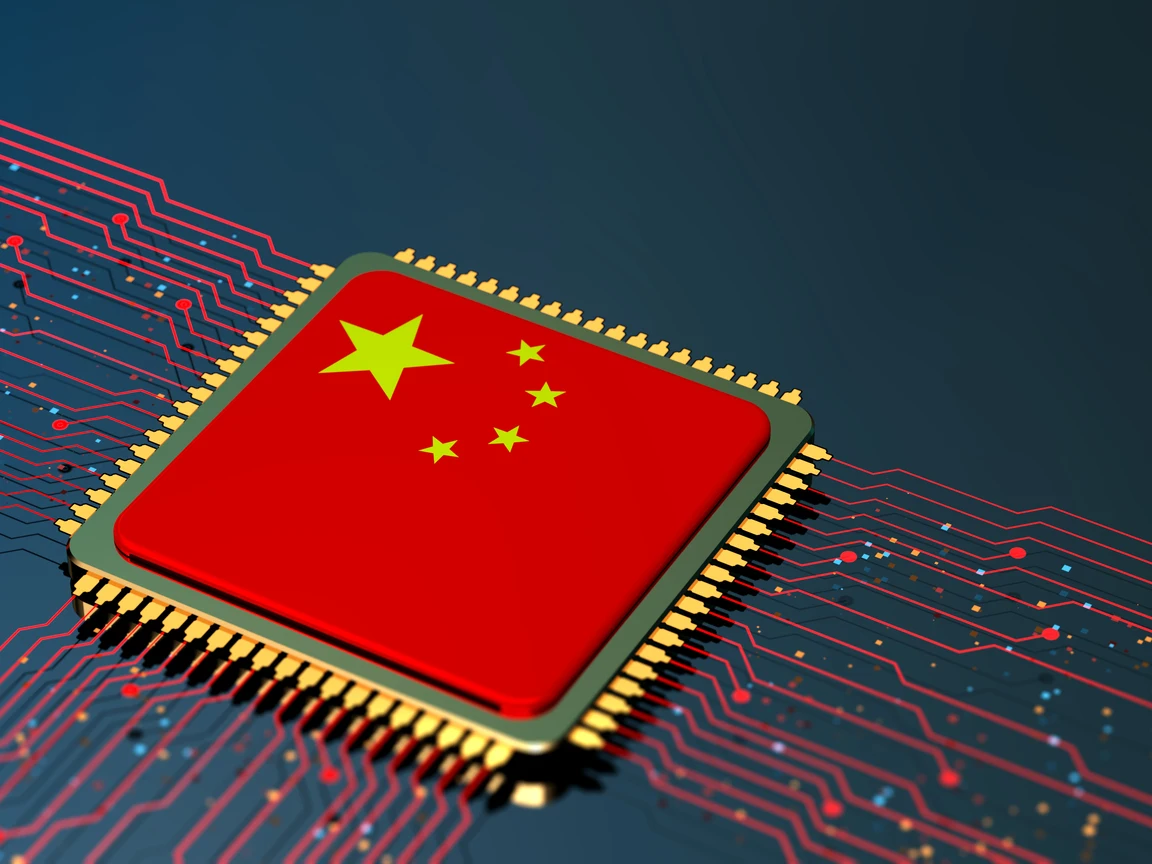
A newly surfaced report claims that the White House has identified Alibaba as one of several Chinese technology companies allegedly aiding the Chinese military in analyzing and targeting U.S. assets. According to senior officials, some of the company’s data-processing tools and cloud infrastructure may be used by agencies linked to China’s defense network. The allegations are part of a broader U.S. review into the security risks posed by foreign tech giants operating under Beijing’s regulatory sphere.
Intelligence Findings Point to Data Access and Analytical Tools
U.S. intelligence agencies reportedly warned that Alibaba’s cloud ecosystem could be leveraged by China’s military intelligence units, offering insights into logistics, supply chains, satellite mapping, and potential vulnerabilities in U.S. critical infrastructure. While the report does not claim that Alibaba directly supports offensive operations, officials argue that its technology may indirectly enhance China’s military capabilities under the country’s “military-civil fusion” doctrine.
Military-Civil Fusion Drives U.S. Concern
Washington’s growing concerns stem from Beijing’s policy that requires private companies to share data and technological resources with state agencies, including the People’s Liberation Army (PLA). U.S. officials state that even commercial analytics platforms could be repurposed for strategic military use. This has led the White House to consider additional restrictions on Chinese cloud providers, advanced AI companies, and data-driven technologies.
Alibaba Responds, Denying Misuse of Its Platform
In response to the allegations, Alibaba has reportedly denied any involvement in military targeting efforts, insisting that it adheres to international compliance norms. The company emphasizes that its cloud division operates independently and does not share customer data without proper authorization. It also argues that the latest claims may be driven by geopolitical friction rather than concrete evidence.
Tensions Set to Escalate With Potential New U.S. Actions
The report comes amid heightened U.S.–China tech rivalry, especially in fields like AI, cloud computing, and semiconductor manufacturing. Analysts say the White House could use the findings to justify new export controls, investment restrictions, or cybersecurity directives targeting Chinese tech infrastructure. The Biden administration has previously placed multiple Chinese firms on entity lists over concerns of military or surveillance ties.
Global Tech Landscape Faces Further Fragmentation
If the White House moves ahead with fresh limits on Alibaba and similar companies, experts warn it could deepen the divide between U.S. and Chinese digital ecosystems. Businesses that rely on cross-border data transfer and cloud platforms may face increased compliance challenges as Washington intensifies scrutiny of foreign technology providers.