 TECH TIMES NEWS
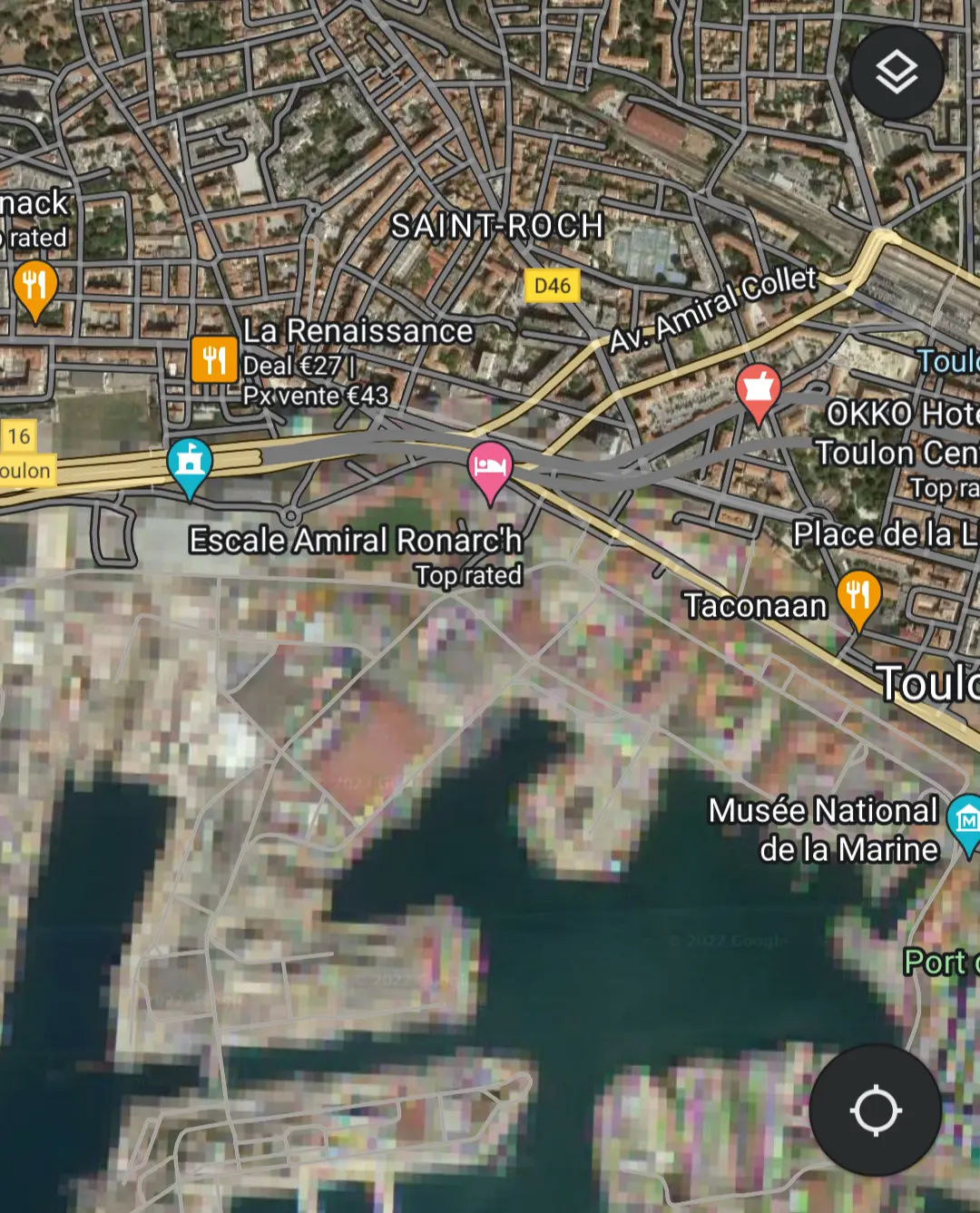
Google Maps has become one of the most widely used digital mapping services in the world, offering satellite imagery, street views, and navigation tools. However, many users notice that certain locations appear unusually blurry or obscured when viewed through satellite imagery. These blurred zones have sparked curiosity and speculation about what might be hidden behind them.
While some believe the blurred areas conceal secret facilities or sensitive locations, the explanation is usually more straightforward and tied to security, legal, or privacy concerns.
National Security Concerns Drive Image Restrictions
One of the primary reasons certain areas appear blurred on Google Maps is national security. Governments in many countries request that Google limit the visibility of sensitive sites such as military bases, intelligence facilities, nuclear power plants, or strategic infrastructure.
By reducing the clarity of satellite imagery in these locations, authorities aim to prevent the public release of detailed aerial information that could potentially be used for malicious purposes. In some cases, the blurring is applied automatically after official requests from national governments.
Legal Regulations Vary From Country to Country
Different countries have their own laws regarding satellite imagery and mapping services. Some governments impose strict regulations on how detailed aerial images can be publicly displayed.
For instance, certain nations require mapping companies to reduce resolution or obscure specific areas before publishing satellite images. These legal restrictions often explain why maps in one country may appear sharper compared to another.
Sensitive Infrastructure Often Gets Obscured
Beyond military installations, other types of infrastructure may also appear blurred. These include prisons, government buildings, research facilities, and transportation hubs.
In some cases, companies or institutions request that their facilities be blurred to protect security or operational privacy. Such requests are evaluated by mapping providers before changes are applied.
Privacy and Ethical Concerns Also Play a Role
Privacy considerations sometimes lead to blurred imagery as well. For example, individuals or property owners may request the removal or obscuring of identifiable features in satellite or Street View images.
Although satellite images typically capture wide areas, certain unique or identifiable locations might still raise privacy concerns, prompting mapping services to take precautionary steps.
Image Quality and Technical Limitations
Not all blurry areas are intentionally hidden. Some parts of the world simply have lower-quality satellite imagery due to technical limitations.
Factors such as outdated satellite images, cloud cover, limited satellite passes, or lower-resolution data can make some regions appear blurry or pixelated. In remote areas, high-resolution imagery may not yet be available.
Examples of Blurred Locations Worldwide
Several well-known locations around the world are partially obscured on mapping platforms. These include certain military bases, government facilities, and highly secure research centers.
In many instances, the blurring is subtle and only noticeable when users zoom in closely. Mapping companies like Google continuously update imagery, which means the clarity of these areas may change over time depending on new policies or updated data.
Balancing Transparency and Security
Google and other mapping providers aim to strike a balance between providing accurate geographic information and respecting national security and privacy requirements.
While most of the world is visible in high detail, certain locations remain intentionally blurred to comply with laws and safety concerns. As satellite technology and mapping services evolve, policies surrounding sensitive locations may continue to change.