 TECH TIMES NEWS
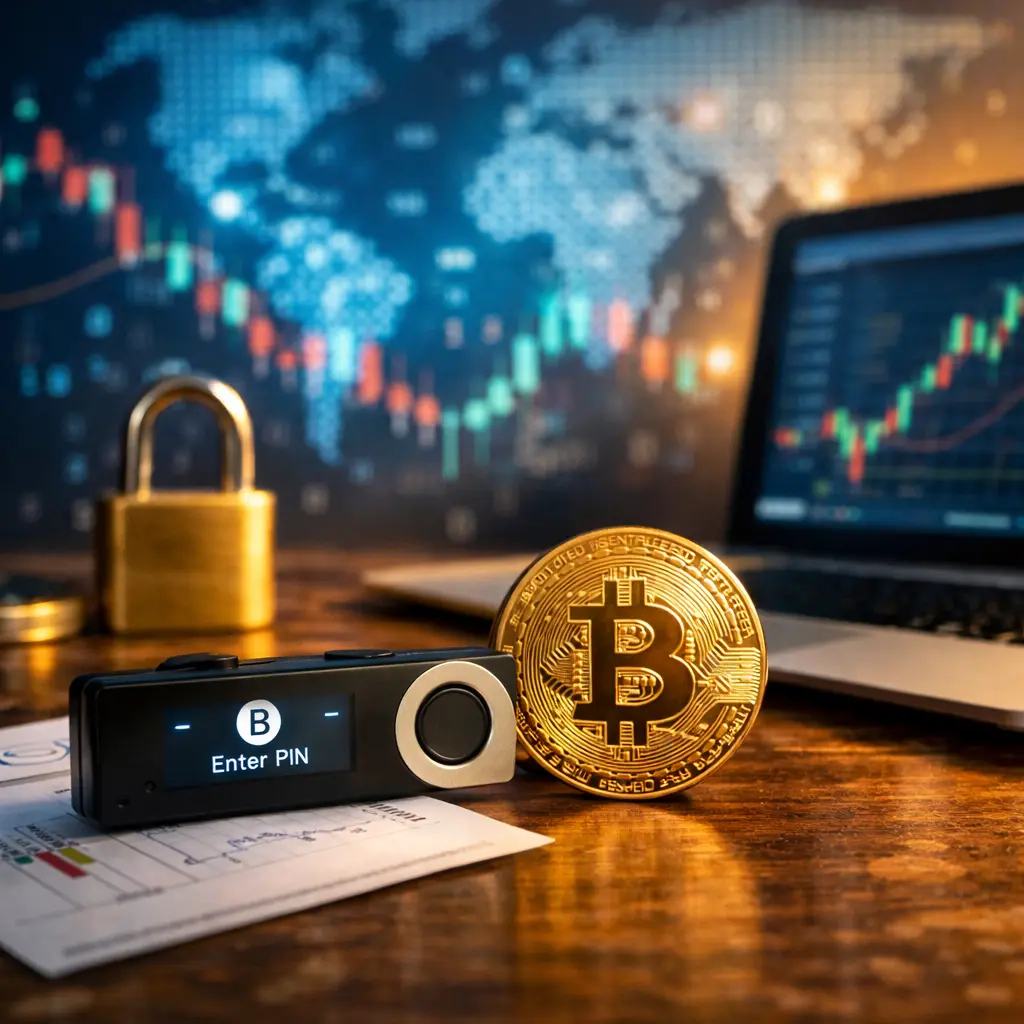
As cryptocurrency adoption continues to rise worldwide, so do concerns around digital asset security. From high-profile exchange collapses to sophisticated phishing attacks, the crypto ecosystem has repeatedly highlighted one core lesson: how you store your assets matters as much as what you invest in. Increasingly, both retail and institutional investors are turning to hardware wallets as the most reliable way to protect their holdings.
Understanding Hardware Wallets and How They Work
Hardware wallets are physical devices designed to store a user’s private keys offline. Unlike software wallets or exchange accounts that remain connected to the internet, hardware wallets keep sensitive cryptographic information isolated from online threats. Transactions are signed within the device itself, ensuring that private keys never leave the wallet—even when connected to a compromised computer.
This offline design significantly reduces exposure to malware, keyloggers, and remote hacking attempts that plague internet-connected storage methods.
Protection Against Exchange Failures and Custodial Risks
The crypto industry has witnessed multiple exchange failures over the years, leaving users locked out of funds they believed were secure. When assets are held on centralized platforms, users effectively give up control of their private keys. Hardware wallets eliminate this dependency by enabling true self-custody, ensuring that only the owner has access to their funds.
This shift toward self-custody aligns with one of crypto’s founding principles: decentralization and personal ownership of assets.
Enhanced Security Features Built Into Hardware Wallets
Modern hardware wallets incorporate advanced security mechanisms such as secure elements, PIN protection, passphrases, and recovery seed backups. Even if a device is lost or stolen, assets can typically be recovered using a secure recovery phrase—while unauthorized access remains extremely difficult.
Some devices also include tamper-resistant hardware and firmware verification, adding another layer of defense against physical and software-based attacks.
Ease of Use for Long-Term and High-Value Holders
Once considered too technical for everyday users, hardware wallets have evolved to offer intuitive interfaces and compatibility with popular blockchain networks. They are now widely used by long-term investors, high-net-worth individuals, and institutions seeking secure cold storage solutions.
With support for thousands of cryptocurrencies and integration with decentralized finance platforms, hardware wallets strike a balance between security and usability.
A Growing Industry Trend Toward Cold Storage
As regulatory scrutiny increases and cybercrime targeting crypto users becomes more sophisticated, cold storage solutions are gaining momentum. Hardware wallets represent one of the most accessible and trusted forms of cold storage available today.
Industry analysts note that rising awareness around self-custody and digital sovereignty is likely to push even more users toward hardware-based solutions in the coming years.
The Bottom Line
While no security method is entirely risk-free, hardware wallets offer one of the strongest defenses available in the crypto space. By keeping private keys offline and under the user’s direct control, they dramatically reduce the risks associated with hacking, platform failures, and unauthorized access—making them a preferred choice for serious crypto investors.