 TECH TIMES NEWS
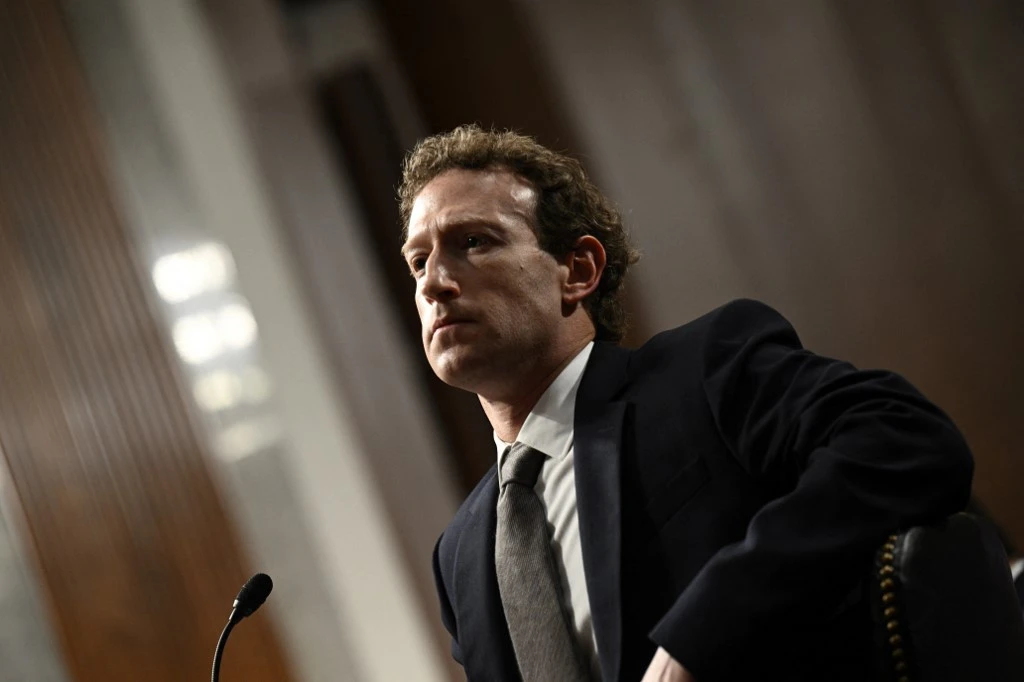
Meta CEO Mark Zuckerberg has reached a legal settlement in a long-standing lawsuit related to the notorious Cambridge Analytica data scandal. The agreement comes as part of a case filed in the District of Columbia, where prosecutors alleged Zuckerberg’s direct involvement in enabling the unauthorized data access that affected tens of millions of Facebook users.
📂 Lawsuit Allegations and Background
The lawsuit claimed Zuckerberg's personal responsibility in allowing third-party companies, like the now-defunct Cambridge Analytica, to harvest personal data through Facebook’s lax policies. The information was allegedly used to build voter profiles and influence political campaigns, including the 2016 U.S. presidential election. The lawsuit framed Zuckerberg not just as a passive executive but as someone who actively oversaw and approved practices that compromised user privacy.
🤝 Confidential Settlement Details
While the exact terms of the settlement remain under wraps, it marks the conclusion of one of the highest-profile privacy lawsuits ever filed against a tech CEO. Legal analysts speculate the deal may include financial penalties and enforceable privacy commitments. However, Zuckerberg did not admit any wrongdoing as part of the agreement.
📉 A Reputation Under Scrutiny
The Cambridge Analytica scandal severely damaged Facebook’s—and Zuckerberg’s—public image, prompting global debates on data ethics, consent, and tech oversight. In the aftermath, Facebook was rebranded as Meta and pledged stronger data security and transparency policies. However, this settlement reminds the public and regulators alike of past oversights and their lasting consequences.
🔍 Broader Implications for Big Tech
This settlement could serve as a benchmark for how U.S. regulators hold tech leaders accountable for data misuse. It adds momentum to ongoing discussions around reforming privacy laws and increasing executive responsibility in the tech sector. Experts believe that more executives could face personal legal scrutiny as regulators ramp up investigations into how tech companies handle sensitive user information.