 TECH TIMES NEWS
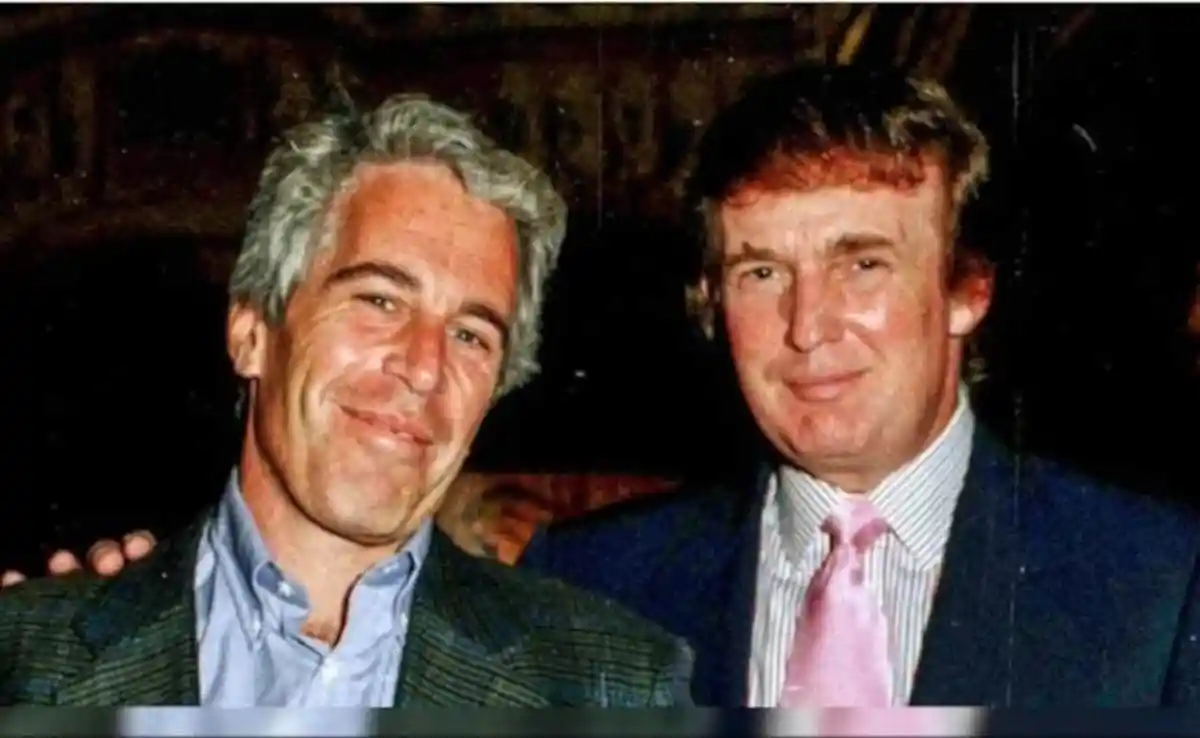
Artificial intelligence–generated images are being widely circulated online, falsely depicting several prominent US politicians alongside convicted sex offender Jeffrey Epstein. These digitally altered visuals, shared across social media platforms and messaging apps, have reignited conspiracy theories despite lacking any factual basis.
Deepfake Technology Makes Fabrication Harder to Detect
Experts say the rapid improvement of AI image-generation tools has made it increasingly difficult for ordinary users to distinguish between authentic photographs and fabricated content. Many of the viral images appear realistic at first glance, using convincing facial expressions, lighting, and backgrounds to imply personal relationships that never existed.
Public Figures Targeted Across Political Spectrum
The manipulated images do not target a single party or ideology. Instead, politicians from both major US political camps have been falsely portrayed in close proximity to Epstein, creating misleading narratives that exploit existing public distrust of elites and institutions.
Social Media Platforms Struggle to Contain Spread
While several platforms claim to be taking action against manipulated media, researchers note that such images often spread faster than moderation systems can respond. By the time content is flagged or removed, it may already have been reposted thousands of times across different networks.
Fact-Checkers Warn of Serious Reputational Harm
Independent fact-checking organizations have repeatedly debunked the viral images, confirming they are AI-generated or heavily altered. Analysts warn that even after corrections are issued, false associations can permanently damage reputations and distort public understanding.
Growing Calls for AI Transparency and Regulation
The episode has intensified calls from lawmakers and digital rights groups for clearer labeling of AI-generated content and stronger regulations around deepfake technology. Without safeguards, experts caution that manipulated media could increasingly influence elections, public opinion, and trust in democratic systems.