 TECH TIMES NEWS
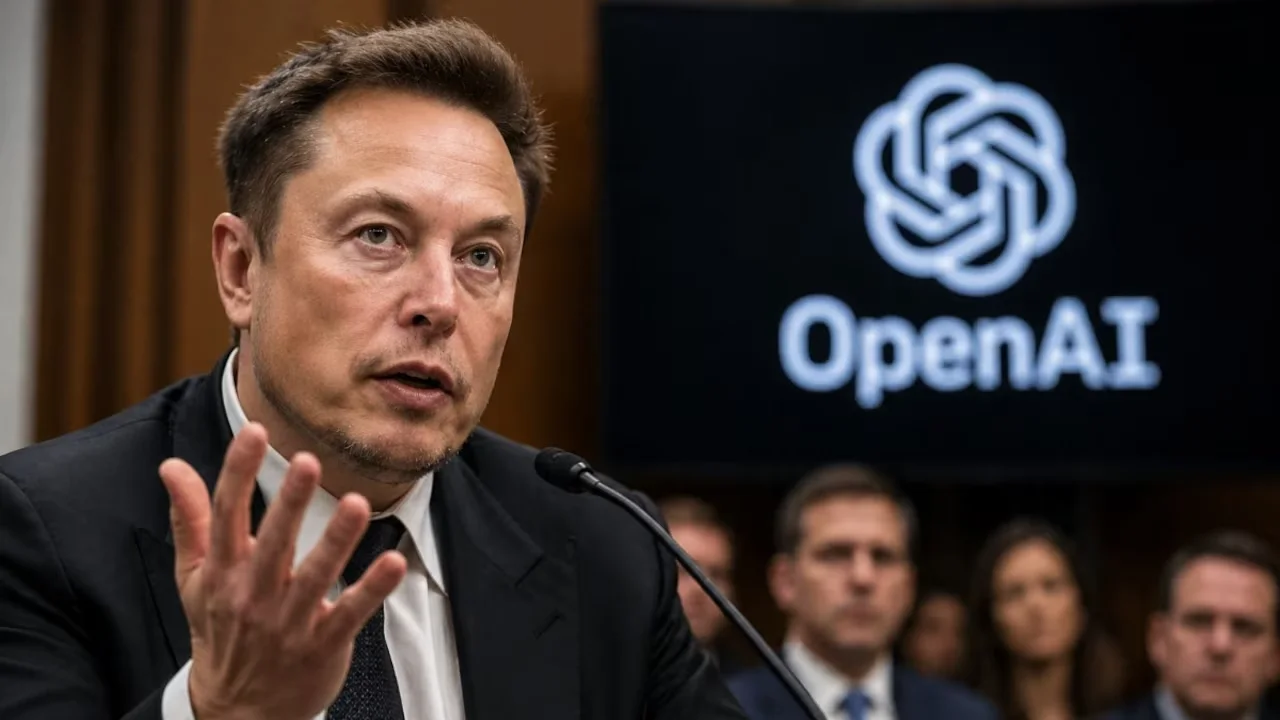
Elon Musk has reignited his criticism of OpenAI, warning that the organisation risks becoming a vehicle for private gain at the expense of its original mission. In recent remarks, Musk cautioned against what he described as “looting a charity,” a pointed reference to OpenAI’s evolving corporate structure and financial strategy.
Musk, who co-founded OpenAI in 2015 before parting ways with the organisation in 2018, has increasingly positioned himself as a vocal critic of its direction. His latest comments add fuel to an already contentious relationship marked by legal disputes and public disagreements with OpenAI leadership.
From Non-Profit Vision to Capped-Profit Model
OpenAI was initially established as a non-profit research organisation with a clear mandate: to ensure artificial general intelligence (AGI) benefits all of humanity. However, in 2019, the organisation introduced a “capped-profit” structure to attract significant investment while maintaining some level of mission alignment.
Under this model, investors can earn returns up to a predefined cap, after which excess value is meant to be directed toward broader societal benefits. OpenAI has argued that this hybrid structure is necessary to fund the massive computational and research costs associated with cutting-edge AI development.
Musk, however, has consistently challenged this shift, arguing that it dilutes the organisation’s founding principles and opens the door to profit-driven decision-making.
Legal Battles and Governance Concerns Intensify
The dispute is not limited to rhetoric. Musk has pursued legal action against OpenAI, alleging that the organisation has deviated from its original charter and commitments. Central to his argument is the claim that OpenAI’s partnership with Microsoft and its commercialisation efforts contradict its founding ethos.
OpenAI has rejected these allegations, maintaining that its structure remains aligned with its mission and that partnerships are essential to scaling AI responsibly. The company has also emphasised safeguards designed to prevent undue influence from investors.
The ongoing legal battle underscores a broader governance challenge: how to balance rapid innovation with accountability in an industry where stakes are exceptionally high.
Industry-Wide Implications for AI Ethics and Control
Musk’s comments tap into a wider debate within the tech community about the future of AI governance. As companies race to develop increasingly powerful models, questions around transparency, ownership, and societal impact have become more urgent.
Critics argue that concentrating AI capabilities within a handful of large corporations could lead to disproportionate influence over global systems, from economies to information ecosystems. Supporters of current models counter that only well-funded organisations can realistically build and maintain advanced AI systems at scale.
This tension reflects a fundamental dilemma: whether AI should be treated as a public good governed by open principles, or as a competitive technology driven by private investment.
What This Means for the Future of OpenAI
The escalating conflict between Musk and OpenAI highlights the growing pains of an industry still defining its rules. While OpenAI continues to expand its commercial footprint and technological capabilities, scrutiny over its governance model is unlikely to fade.
For observers and stakeholders, the key takeaway is clear: the structure and incentives behind AI organisations will play a critical role in shaping how the technology impacts society. As regulatory frameworks evolve, cases like this could influence how future AI entities are designed, funded, and held accountable.
Key Takeaway
Musk’s “looting a charity” warning is more than a personal critique—it reflects a larger, unresolved debate about whether advanced AI development can remain aligned with public interest while operating within profit-driven frameworks.