 TECH TIMES NEWS
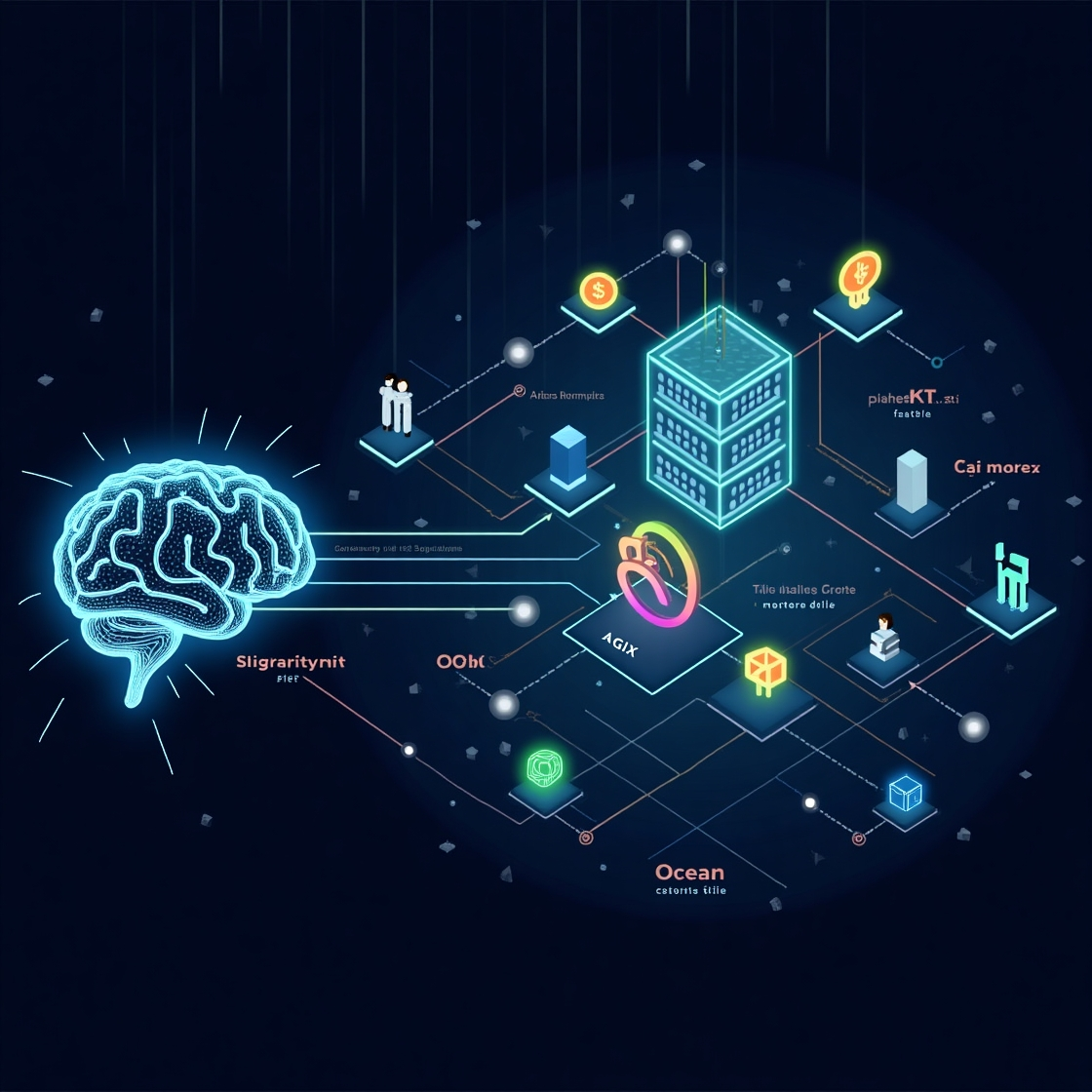
Artificial Intelligence (AI) is revolutionizing industries — and the blockchain world is no exception. As the lines blur between machine learning and decentralized finance, AI tokens have emerged as a new frontier in crypto innovation. But what exactly are these digital assets, and how do they work?
This article breaks down how AI tokens function, why they're gaining traction, and what role they could play in shaping the future of both AI and blockchain technologies.
🤖 What Are AI Tokens?
AI tokens are cryptocurrencies tied to projects that combine artificial intelligence and blockchain technology. These tokens often power decentralized platforms that use AI to provide services such as data analysis, automation, algorithmic trading, predictive modeling, or even content generation.
AI tokens serve as:
-
Utility tokens for accessing services within an AI-powered ecosystem
-
Governance tools, allowing holders to vote on project upgrades or changes
-
Incentives for contributors like data providers, developers, or model trainers
Popular AI tokens include SingularityNET (AGIX), Fetch.ai (FET), and Ocean Protocol (OCEAN), each with a distinct use case in AI-driven decentralization.
⚙️ How AI Tokens Actually Work
-
Powering Decentralized AI Networks
AI tokens allow users to interact with decentralized AI services. For example, on platforms like SingularityNET, users can use AGIX tokens to pay for AI algorithms, such as language translation or data pattern recognition — all provided by independent developers. -
Fueling Data Marketplaces
Projects like Ocean Protocol enable users to buy and sell data on decentralized marketplaces using their native tokens. This is crucial for training accurate and unbiased AI models while maintaining data privacy and ownership. -
Enabling Machine-to-Machine Transactions
With the rise of IoT (Internet of Things), some AI tokens support autonomous economic agents — machines or bots that transact with one another using AI-based logic. Fetch.ai is a prime example of this concept in action. -
Providing Staking & Governance Rights
Many AI tokens offer staking features, where holders lock up tokens to earn rewards or help secure the network. Others give users voting power to influence project development, resource allocation, or governance protocols.
📈 Why AI Tokens Are Gaining Attention
In 2025, AI tokens are benefiting from the explosive interest in both AI tools and decentralized infrastructure. Factors contributing to their rise include:
-
Growing demand for privacy-preserving AI
-
Increased use of blockchain-based data sharing
-
The need for decentralized alternatives to Big Tech AI models
-
Real-world applications in healthcare, finance, logistics, and smart cities
The AI token market cap has doubled year-over-year, reflecting investor optimism and the growing belief in AI’s decentralized future.
🔐 Risks and Considerations
While promising, AI tokens come with caveats:
-
Hype vs. reality: Not all projects deliver real-world value; some are driven by speculation.
-
Regulatory uncertainty: Legal frameworks around data sharing and AI ethics are still evolving.
-
Technical complexity: Interoperability and scalability remain challenges for many AI-blockchain platforms.
Investors and users should do thorough research before participating in any AI token ecosystem.
🚀 The Future of AI Tokens
As AI models grow smarter and more integrated into everyday tech, AI tokens could serve as the bridge between automated intelligence and economic value. Whether it’s powering an autonomous vehicle fleet or trading data securely across continents, these tokens may become fundamental to how decentralized AI is governed and monetized.
One thing is clear: AI tokens are more than just another crypto trend — they represent a shift in how we interact with intelligence, ownership, and trust in a digital world.