 TECH TIMES NEWS
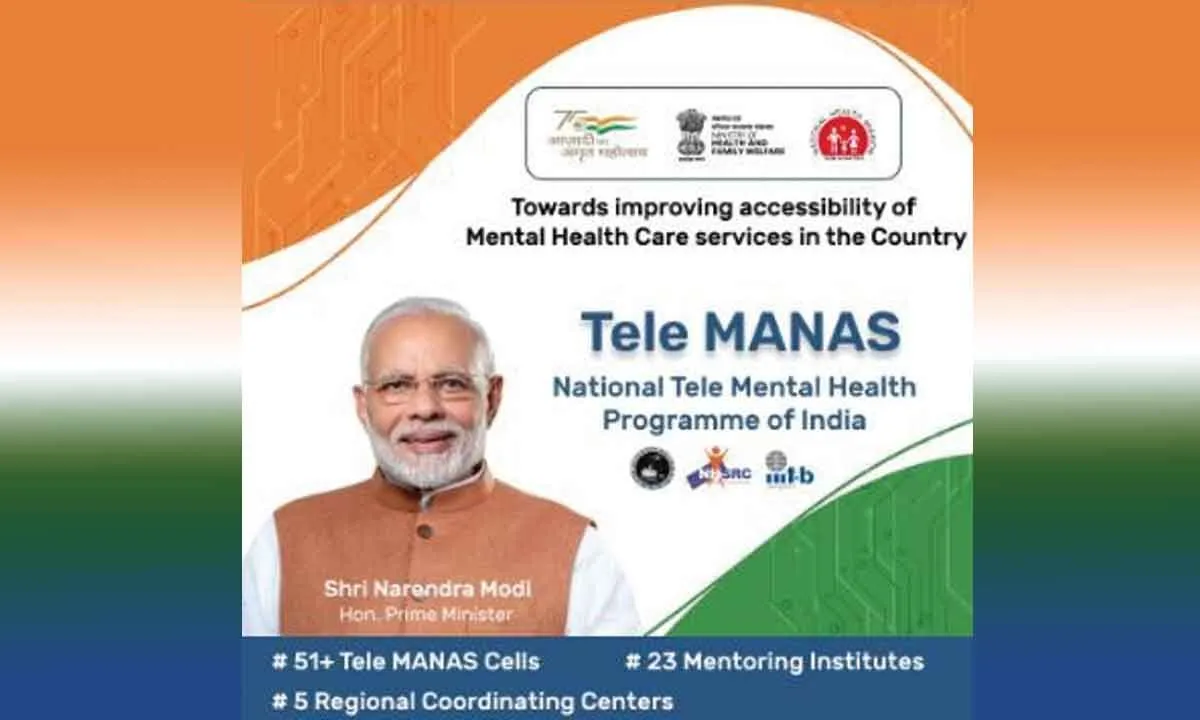
India’s national mental health helpline, Tele-MANAS, is witnessing a notable shift in user behavior: more callers are opting to speak with human counsellors after initial interactions with AI-driven systems fall short. The trend highlights a growing gap between the promise of AI in mental healthcare and the nuanced emotional support that real human interaction provides.
Launched by the Ministry of Health and Family Welfare in October 2022, Tele-MANAS (Tele Mental Health Assistance and Networking Across States) was designed to expand access to mental health services nationwide. The helpline integrates digital tools, including AI-based triaging systems, to manage high call volumes efficiently. However, recent patterns suggest that while AI helps in scaling access, it struggles to meet deeper psychological needs.
AI Triage vs Human Empathy: Where the Gap Appears
AI systems deployed in mental health helplines are typically designed for initial screening—identifying distress levels, categorizing cases, and routing calls. But users increasingly report dissatisfaction when conversations remain automated for too long.
Mental health experts point out that AI lacks contextual understanding, emotional intelligence, and cultural sensitivity—critical elements in therapy and crisis intervention. While chatbots can provide standardized responses, they often fail to interpret complex emotions such as grief, trauma, or suicidal ideation accurately.
In contrast, trained counsellors can adapt in real time, detect subtle cues in tone and language, and provide personalized coping strategies—something current AI models are not fully capable of replicating.
Rising Call Volumes and System Strain
Tele-MANAS has handled millions of calls since its launch, reflecting both increased awareness and rising mental health concerns across India. The integration of AI was intended to reduce pressure on human counsellors and shorten response times.
However, the growing preference for human interaction is now putting renewed pressure on the system. Reports indicate longer wait times for live counsellors during peak hours, suggesting that AI alone cannot sustainably handle demand without compromising service quality.
This trend raises important questions about resource allocation—whether investments should prioritize expanding human workforce capacity rather than relying heavily on automation.
Expert Insights: Why Human Connection Still Matters
Psychologists and mental health professionals emphasize that trust is central to effective counselling. Building that trust requires empathy, active listening, and emotional validation—qualities that remain uniquely human.
“AI can assist, but it cannot replace the therapeutic alliance between a counsellor and a patient,” say experts in the field. They argue that over-reliance on automation risks alienating vulnerable individuals who may already feel isolated.
Moreover, in crisis situations, delays or inappropriate AI responses could have serious consequences, reinforcing the need for human oversight at every stage.
Policy and Technology Implications
The Tele-MANAS experience reflects a broader global challenge: integrating AI into sensitive domains like mental health without undermining care quality. Policymakers may need to revisit deployment strategies, ensuring that AI serves as a support tool rather than a frontline replacement.
Hybrid models—where AI handles administrative tasks and early triage while humans lead critical interactions—are increasingly seen as the most effective approach. Investments in training, hiring, and retaining mental health professionals will remain essential.
The Bigger Picture: AI’s Limits in Emotional Domains
The shift observed in Tele-MANAS underscores a key takeaway: AI excels in efficiency but struggles with empathy. As governments and organizations expand AI use in public services, understanding these limitations becomes crucial.
For users, the message is clear—technology can provide access, but meaningful mental health support still relies heavily on human connection.
Conclusion: Balancing Scale With Sensitivity
Tele-MANAS continues to play a vital role in addressing India’s mental health crisis. However, the increasing demand for human counsellors signals that scaling services cannot come at the cost of emotional depth.