 TECH TIMES NEWS
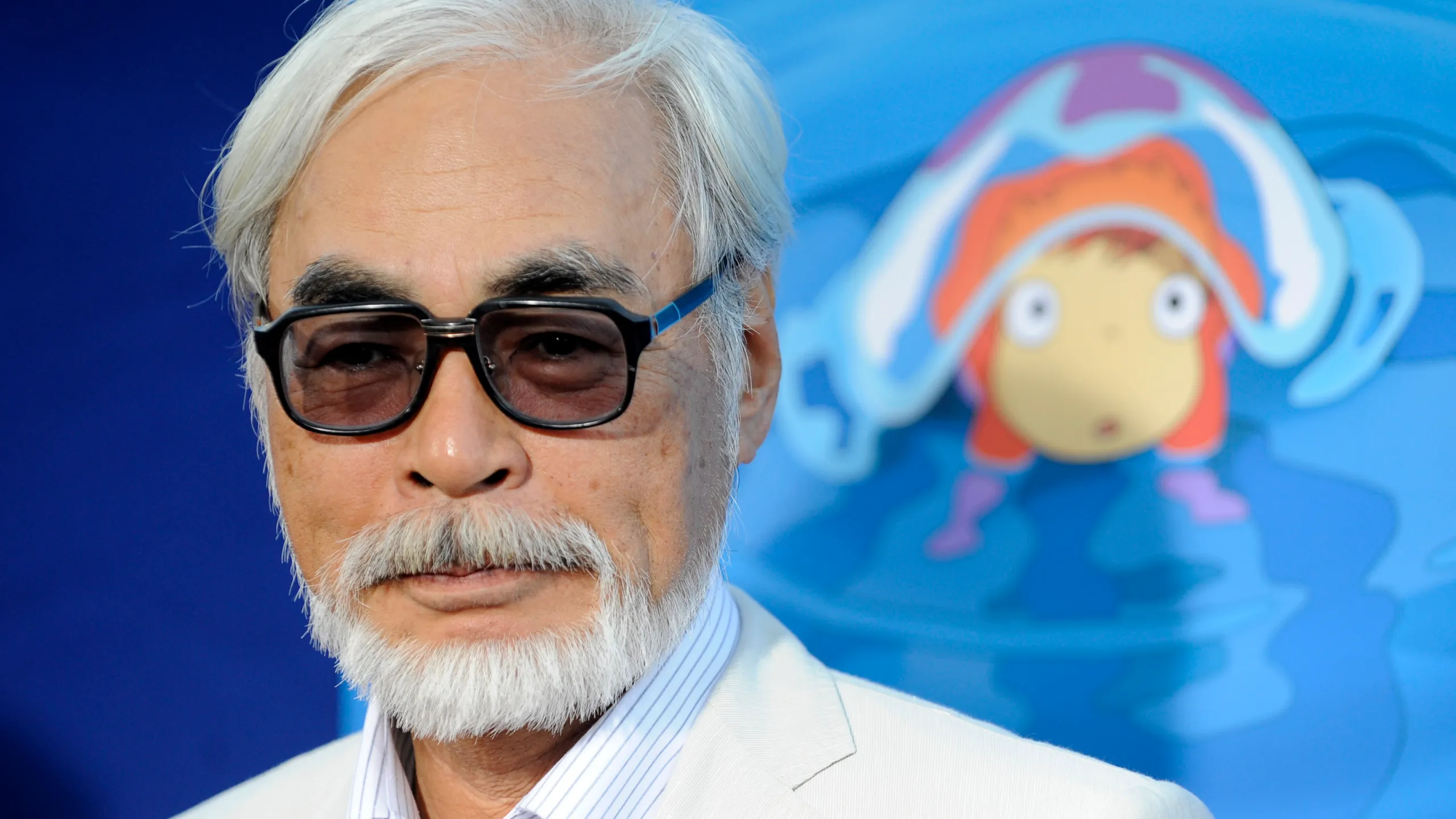
The rise of AI-generated imagery has once again ignited copyright concerns, this time following the viral spread of Studio Ghibli-style images created using OpenAI’s ChatGPT-powered tools. While many users marveled at the stunning aesthetic resemblance to the works of the beloved Japanese animation studio, legal experts and industry professionals warn that such AI-generated content treads murky waters when it comes to copyright and intellectual property rights.
AI-Generated Art Goes Viral
The controversy began when users started posting AI-generated images that closely mimicked the iconic visual style of Studio Ghibli, known for films such as Spirited Away, My Neighbor Totoro, and Princess Mononoke. These images, created using OpenAI’s image-generation model, gained widespread traction on social media platforms, drawing both admiration and scrutiny.
While the AI did not directly copy any specific Ghibli artwork, the resemblance to the studio’s signature hand-painted backgrounds, soft lighting, and character designs was undeniable. Fans were quick to praise the AI’s ability to capture the essence of the art form, while critics questioned whether this use of machine learning constituted an ethical gray area.
Copyright Concerns and Legal Implications
The primary legal issue surrounding AI-generated images lies in the question of originality and authorship. Studio Ghibli’s artistic style is widely recognized, and while individual elements of its aesthetic cannot be copyrighted, specific characters, scenes, and designs are protected under intellectual property laws.
Legal experts suggest that AI models trained on existing copyrighted works without permission may raise potential copyright infringement claims. If AI-generated content borrows too heavily from a recognizable style, some argue that it could amount to derivative work, which is subject to legal scrutiny.
“In cases where AI-generated images are indistinguishable from a particular artist’s or studio’s work, there is a real concern that these tools could be used to circumvent copyright laws,” said intellectual property attorney Lisa Chang. “If a company profits from AI-generated content that replicates a protected style without consent, it could open the door to lawsuits.”
OpenAI’s Stance and Ethical Considerations
OpenAI has yet to make an official statement regarding the specific case of Studio Ghibli-style images, but the company has maintained that its AI tools are designed to create original content rather than copy existing works. According to OpenAI’s policies, users are encouraged to generate unique artwork and avoid directly replicating copyrighted material.
However, the ethical debate extends beyond legality. Many artists argue that AI-generated art can undermine the work of human creators by automating the creative process without giving proper credit or compensation. Some call for stricter regulations and clearer ethical guidelines to ensure AI is used responsibly in the creative industry.
A Precedent for Future AI Regulations?
As AI-generated content continues to advance, discussions around copyright laws and ethical considerations are becoming increasingly urgent. In recent years, several lawsuits have been filed against AI companies over alleged misuse of copyrighted works for training data, and governments are now considering new regulations to address these issues.
While AI tools open up new possibilities for digital creativity, the controversy surrounding Studio Ghibli-style images is a reminder that the intersection of technology and intellectual property remains a contentious battleground. Whether legal frameworks will evolve to accommodate this rapidly changing landscape remains to be seen.
For now, the debate rages on, leaving artists, legal experts, and AI developers grappling with one of the most pressing questions of the digital age: where do we draw the line between inspiration and infringement?