 TECH TIMES NEWS
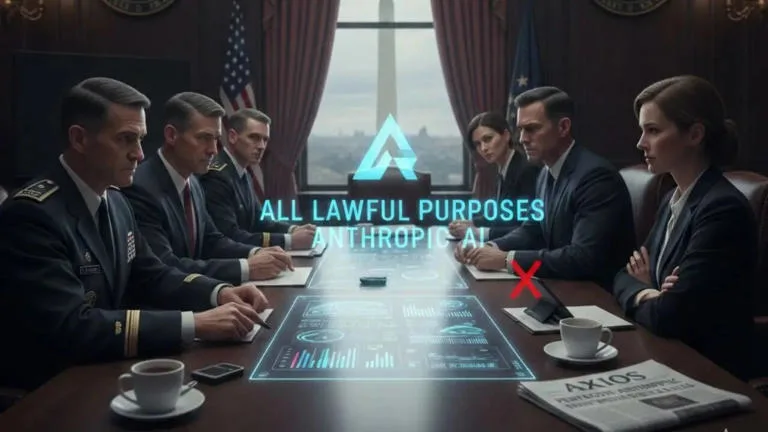
Artificial intelligence company Anthropic is reportedly holding its ground in a deepening disagreement with the U.S. Department of Defense over how its advanced AI systems could be deployed in military settings. According to a source familiar with the discussions, the San Francisco-based firm has resisted certain Pentagon requests that it believes conflict with its internal safety policies and responsible-use framework.
The dispute underscores the increasing friction between cutting-edge AI developers and defense agencies seeking to integrate generative AI tools into national security operations.
Concerns Over Military Applications of AI
At the heart of the disagreement are questions about the extent to which Anthropic’s AI models — including its Claude family of systems — can be used in defense-related analysis, surveillance support, and operational planning. While Anthropic has previously signaled openness to limited national security partnerships, it maintains strict guardrails against applications that could directly enable lethal operations or autonomous weapons systems.
Sources suggest that Pentagon officials have sought broader flexibility in using commercial AI tools for classified and strategic projects. However, Anthropic appears determined to ensure its technology is not employed in ways that contradict its publicly stated AI safety commitments.
Balancing National Security and AI Ethics
The standoff highlights a broader industry debate over the role of private AI firms in military modernization. As global powers race to harness artificial intelligence for defense capabilities, companies like Anthropic face mounting pressure to define their ethical boundaries.
Anthropic has consistently emphasized its “constitutional AI” approach — a framework designed to align models with human values and reduce harmful outputs. Company executives have previously stated that while supporting democratic institutions and public safety is important, clear restrictions must govern military use cases.
The Pentagon, for its part, has accelerated efforts to integrate AI into intelligence gathering, cybersecurity, logistics optimization, and battlefield simulations. Defense officials argue that partnerships with leading AI labs are essential to maintaining technological superiority.
Industry-Wide Implications
The reported disagreement could have ripple effects across the AI sector. Other major AI developers, including OpenAI, Google DeepMind, and Microsoft-backed initiatives, have also navigated complex negotiations with defense agencies in recent years.
Some firms have revised earlier blanket prohibitions on military use, opting instead for case-by-case reviews. However, internal employee concerns and public scrutiny continue to influence corporate decision-making.
Analysts say the outcome of Anthropic’s discussions with the Pentagon may shape how future AI-defense collaborations are structured — particularly regarding transparency, oversight, and ethical compliance.
Global Context: AI as Strategic Infrastructure
The tension comes amid intensifying geopolitical competition over artificial intelligence leadership. Governments worldwide increasingly view advanced AI models as strategic infrastructure, comparable to semiconductor manufacturing or cybersecurity systems.
As Washington seeks to expand AI adoption within federal agencies, companies supplying frontier models must reconcile commercial opportunities with long-term reputational and ethical considerations.
For now, Anthropic appears unwilling to compromise on its established safeguards, signaling that negotiations between Silicon Valley and the defense establishment remain far from settled.