 TECH TIMES NEWS
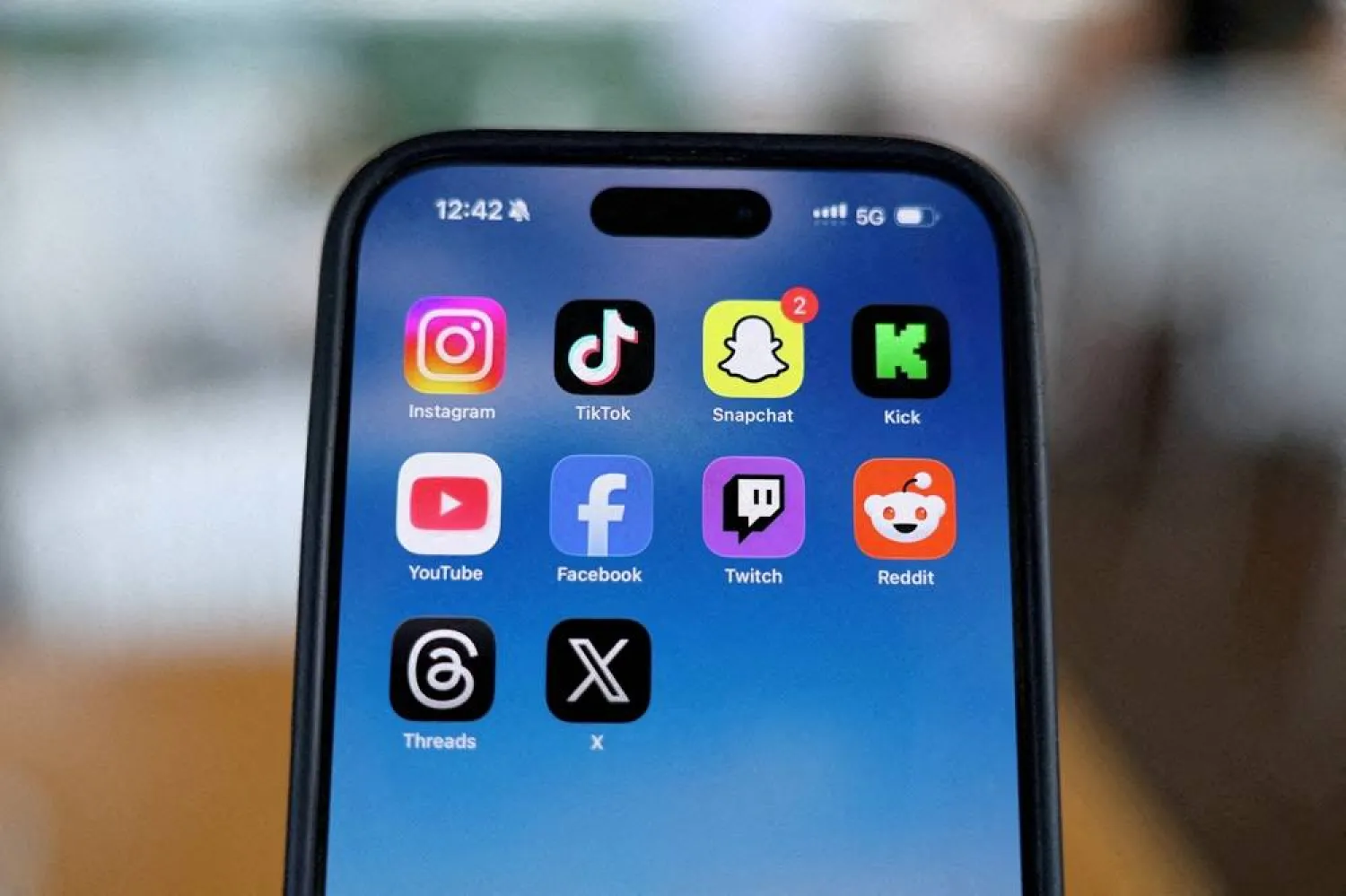
Australia has been actively tightening regulations on social media platforms in recent years, particularly to protect young users from online harms. The government introduced strict rules targeting platforms such as TikTok and Snapchat, aiming to limit their access among teenagers due to concerns over privacy risks, cyberbullying, mental health impacts, and exposure to harmful content.
The policy was designed to reduce the amount of time young Australians spend on social networking platforms while encouraging healthier online habits and stronger digital safeguards.
Survey Reveals Continued Usage Among Teenagers
Despite these restrictions, recent research indicates that a significant number of teenagers continue to access these platforms. According to survey findings, roughly one in five Australian teenagers still uses TikTok or Snapchat even after the ban was introduced.
The results suggest that many young users are finding ways to bypass restrictions through alternative accounts, VPN services, shared devices, or other digital workarounds. Experts say this demonstrates the difficulty governments face when attempting to enforce blanket social media bans in a highly connected digital environment.
Platforms Remain Popular Among Youth
TikTok and Snapchat remain among the most popular platforms for younger audiences worldwide. TikTok’s short-form videos and algorithm-driven content discovery continue to attract teens, while Snapchat’s disappearing messages and interactive features maintain strong appeal among peer groups.
Researchers note that these platforms are deeply embedded in youth culture, making them difficult to replace even when restrictions are imposed.
Challenges in Enforcing the Ban
Regulators and policymakers are still grappling with how to effectively enforce the rules. Age verification remains a major challenge, as many users simply enter false birth dates during registration.
Technology experts argue that stronger identity verification systems, parental monitoring tools, and cooperation from technology companies will be necessary if governments want these restrictions to be effective.
Concerns Over Mental Health and Safety
The original push for restrictions was largely driven by concerns about teen well-being. Studies have linked heavy social media usage with increased anxiety, sleep disruption, and exposure to harmful or misleading content.
Advocacy groups also point to issues such as cyberbullying, online grooming, and algorithm-driven content that can influence young users’ behavior and self-image.
Calls for Balanced Regulation
While some policymakers support stronger enforcement, others argue that outright bans may not be the most effective solution. Digital policy experts suggest focusing on education, parental involvement, and improved platform accountability rather than solely relying on restrictions.
They emphasize that social media is now a key communication tool for young people, and policies must balance safety with digital participation.
What Happens Next
Australian regulators are expected to continue reviewing the effectiveness of the ban and may introduce new measures to strengthen compliance. Technology companies could also face increased pressure to improve age verification systems and provide safer environments for younger users.