 TECH TIMES NEWS
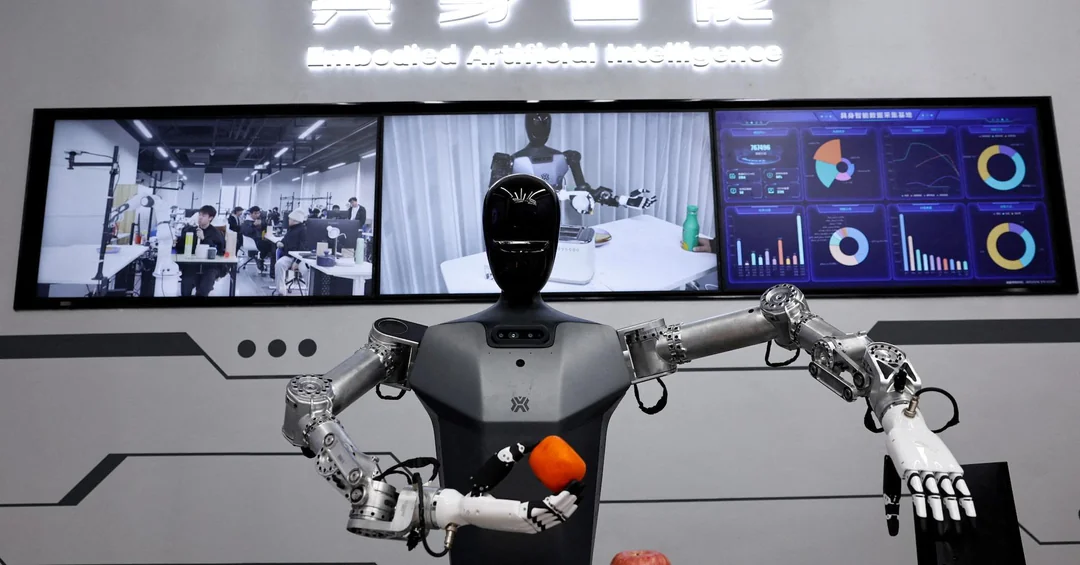
China has released a new set of draft regulations aimed at governing artificial intelligence systems that exhibit human-like interaction capabilities. The proposed rules signal Beijing’s growing focus on controlling how advanced AI technologies communicate, reason, and emotionally engage with users, particularly as generative AI tools become more lifelike and influential.
Focus on Human-Like Communication and Behavior
The draft rules specifically target AI models designed to simulate human conversation, emotional responses, or decision-making. Regulators are concerned that such systems could blur the line between machines and humans, potentially misleading users or influencing opinions without clear disclosure. Developers may be required to ensure transparency when AI-generated interactions closely resemble real human behavior.
Stronger Identity Disclosure Requirements
One key aspect of the proposed framework is mandatory identification. AI systems with human-like traits may need to clearly disclose that they are artificial entities during interactions. This is intended to prevent deception, reduce the risk of manipulation, and protect vulnerable groups such as minors and elderly users.
Data Safety and Ethical Compliance Emphasized
The draft regulations also reinforce existing data protection and content responsibility obligations. Companies developing conversational or emotionally responsive AI could be required to train models using legally sourced data and prevent outputs that promote misinformation, discrimination, or social instability. Ethical alignment and content moderation remain central pillars of China’s AI governance approach.
Impact on Tech Companies and Startups
If finalized, the rules could significantly affect Chinese tech firms working on chatbots, virtual companions, customer service AI, and digital avatars. Companies may face additional compliance costs, stricter audits, and slower deployment cycles, especially for products designed to mimic human reasoning or emotional intelligence.
Part of China’s Broader AI Control Strategy
This move aligns with China’s broader strategy to regulate emerging technologies early while still supporting innovation. Authorities have previously introduced rules for generative AI, deepfakes, and algorithmic recommendations, positioning the country as one of the most proactive regulators of artificial intelligence globally.
What Comes Next
The draft rules are expected to undergo a public consultation phase, during which industry players and experts can submit feedback. Final regulations could be revised based on responses, but the overall direction suggests tighter oversight of AI systems that interact with users in deeply human-like ways.