 TECH TIMES NEWS
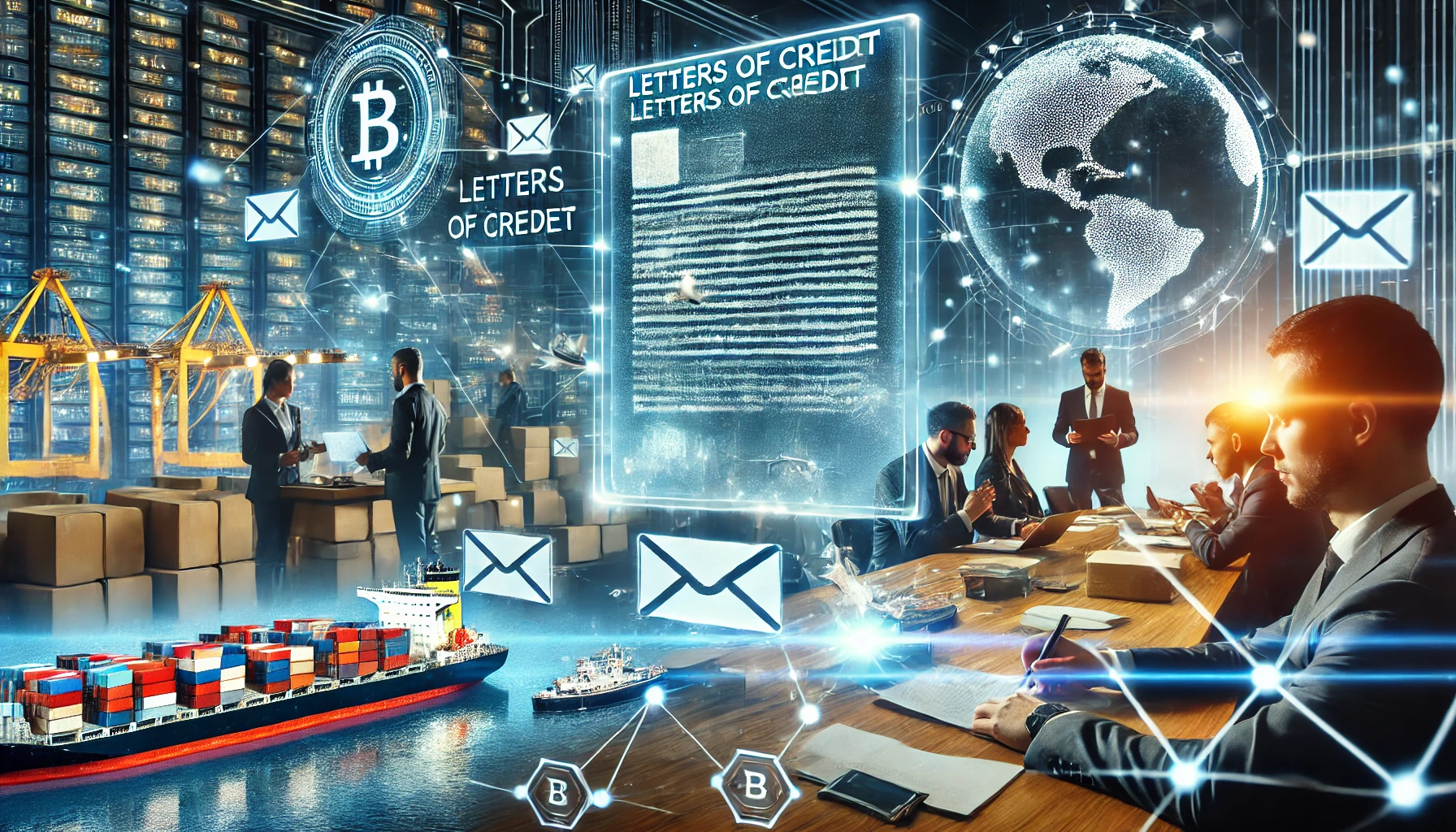
Digitizing Letters of Credit: Revolutionizing Trade Finance for a Digital Era
Trade finance ensures secure and efficient international transactions between buyers and sellers. Among its critical tools, the letter of credit (LC) has long been a trusted mechanism to mitigate risks and guarantee payments. However, traditional LCs are fraught with inefficiencies, high costs, and slow processing. As industries shift toward digital transformation, the digitization of LCs is ushering in a new era of speed, security, and accessibility in trade finance.
The Role of Letters of Credit
An LC is a financial document issued by a bank on behalf of a buyer, guaranteeing payment to a seller upon the fulfillment of specified conditions. These conditions often include the submission of documents like invoices, bills of lading, and certificates of origin.
While reliable, traditional LCs rely on paper-heavy processes involving multiple parties—buyers, sellers, banks, and shipping companies—resulting in delays, errors, and high costs. The need for a digital overhaul is evident.
Challenges with Traditional LCs
Traditional LCs face several issues:
- Time-Consuming Processes: Physical document exchanges and verification stages can take weeks.
- High Costs: Manual handling, courier services, and administrative overheads inflate costs.
- Fraud and Errors: Paper documents are prone to forgery, loss, and mistakes.
- Lack of Transparency: Limited visibility creates inefficiencies and uncertainties.
- Accessibility Barriers: Small and medium-sized enterprises (SMEs) often face challenges accessing LCs due to cost and complexity.
How Digitization Transforms Letters of Credit
Digitizing LCs replaces traditional workflows with digital platforms, blockchain technology, and electronic documentation. Key improvements include:
- Faster Transactions: Digital platforms streamline document exchanges, reducing processing times from weeks to hours.
- Lower Costs: Eliminating paper and manual processes reduces expenses for all parties.
- Enhanced Security: Blockchain ensures document authenticity and reduces fraud risks.
- Real-Time Transparency: Digital systems provide live updates, improving trust and collaboration.
- Greater Accessibility: Simplified processes allow SMEs to participate in global trade.
Technologies Driving LC Digitization
Several innovations are reshaping trade finance:
- Blockchain: Secure, transparent ledgers ensure data integrity and enable smart contracts for automated payments.
- Artificial Intelligence (AI): AI-powered tools verify documents, identify discrepancies, and minimize errors.
- Electronic Data Interchange (EDI): Facilitates seamless digital document exchanges.
- Cloud Platforms: Enable global access to digital LCs, supporting remote collaboration.
Benefits of Digitized LCs
- Efficiency Gains: Faster transactions reduce delays in trade cycles.
- Cost Savings: Automation eliminates the need for physical paperwork and labor-intensive processes.
- Risk Mitigation: Technologies like blockchain ensure data security and minimize fraud.
- Sustainability: Paperless processes reduce environmental impacts.
- Inclusive Trade: Easier access for SMEs fosters broader participation in global markets.
Real-World Examples
Several platforms are leading the way in LC digitization:
- Contour: A blockchain-based network connecting banks and traders to streamline LC transactions.
- Marco Polo: A blockchain platform enabling secure, real-time trade finance operations.
- Amkor and Apple Collaboration: Leveraging digitization to enhance supply chain efficiency in advanced manufacturing.
Challenges to Adoption
- Regulatory Variances: Inconsistent digital documentation laws across countries hinder adoption.
- Legacy Systems: Many organizations lack the infrastructure for seamless integration.
- Stakeholder Collaboration: Success depends on trust and cooperation across all participants.
The Future of Trade Finance
With advancements in AI, blockchain, and IoT, digital LCs are poised to become the standard. Global initiatives like the International Chamber of Commerce’s Digital Standards Initiative aim to establish universal guidelines, accelerating digitization.
Conclusion
The digitization of letters of credit marks a significant milestone in trade finance. By resolving inefficiencies and lowering barriers, digital LCs empower businesses to operate faster, more securely, and sustainably. As trade finance embraces the digital age, it will drive global economic growth and strengthen international connections.
News Source : https://techbullion.com/letter-of-credit-digitization-bringing-trade-finance-into-the-digital-age/