 TECH TIMES NEWS
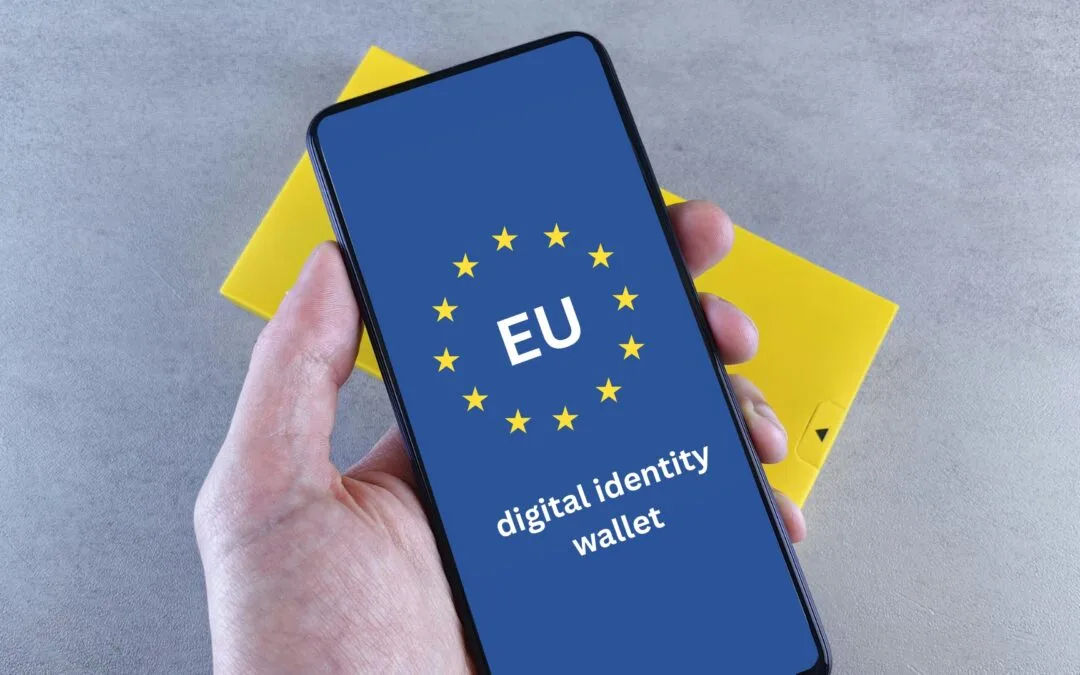
The European Union has rolled out critical updates to its age-verification application after security researchers identified vulnerabilities that could potentially expose user data or allow bypassing of age checks. The app, part of the EU’s broader push to enforce safer online environments—especially for minors—plays a key role in verifying user age across digital platforms.
The latest fixes aim to restore confidence in the system, which sits at the intersection of privacy, regulation, and platform accountability. For users and tech stakeholders alike, the update highlights a growing tension: how to verify age effectively without compromising sensitive personal information.
The Vulnerabilities: What Went Wrong
Initial reports flagged weaknesses in how the app handled authentication tokens and session validation. In certain scenarios, attackers could exploit these gaps to manipulate verification results or intercept limited user data. While there’s no widespread evidence of exploitation in the wild, the findings were serious enough to trigger an immediate response from EU authorities.
Experts pointed out that such flaws are not uncommon in early-stage digital identity systems, especially those operating at scale across multiple jurisdictions and platforms.
EU’s Response: Rapid Patch and Structural Improvements
Following the disclosures, the European Commission coordinated with cybersecurity teams and external auditors to deploy patches addressing the identified issues. Key improvements include:
- Strengthened encryption protocols for data transmission
- Improved session management to prevent token misuse
- Additional verification layers to reduce spoofing risks
- Enhanced transparency around how user data is processed
The EU emphasized that the app is designed with a “privacy-first” architecture, meaning it avoids storing unnecessary personal data and relies on secure, minimal disclosures.
Bigger Picture: Age Verification vs Privacy Debate
The incident feeds into a larger debate unfolding across Europe and beyond. Governments are increasingly mandating age checks for accessing certain online content, particularly adult or harmful material. However, critics argue that such systems can become surveillance tools if not carefully designed.
The EU has attempted to strike a balance through decentralized identity models and zero-knowledge proof techniques, which allow users to confirm eligibility (such as being over 18) without revealing their exact age or identity.
Still, this episode underscores how even privacy-preserving systems must withstand rigorous real-world testing.
Industry Impact and Platform Readiness
Digital platforms that integrate with the EU’s age-verification framework are also affected. Many are now reassessing their own implementation layers to ensure compatibility with the updated security standards.
For tech companies, the takeaway is clear: compliance is not just about ticking regulatory boxes—it requires continuous security validation and rapid response mechanisms.
What Users Should Know
For everyday users, the update is largely seamless. The app will automatically apply the latest security patches, and no additional action is required in most cases. However, users are advised to:
- Keep their apps updated to the latest version
- Be cautious about sharing verification data outside official channels
- Monitor official EU communications for further updates
Expert Insight: A Necessary Stress Test
Cybersecurity analysts view this as a “healthy failure” in a controlled environment. Identifying and fixing vulnerabilities early can prevent larger breaches down the line. It also signals that the EU’s digital identity ecosystem is being actively tested and refined rather than passively deployed.
The Road Ahead
As the EU continues to expand its digital regulation framework—including the Digital Services Act (DSA) and eID initiatives—age verification will remain a critical pillar. Future iterations of the app are expected to incorporate more robust cryptographic techniques and third-party audits.