 TECH TIMES NEWS
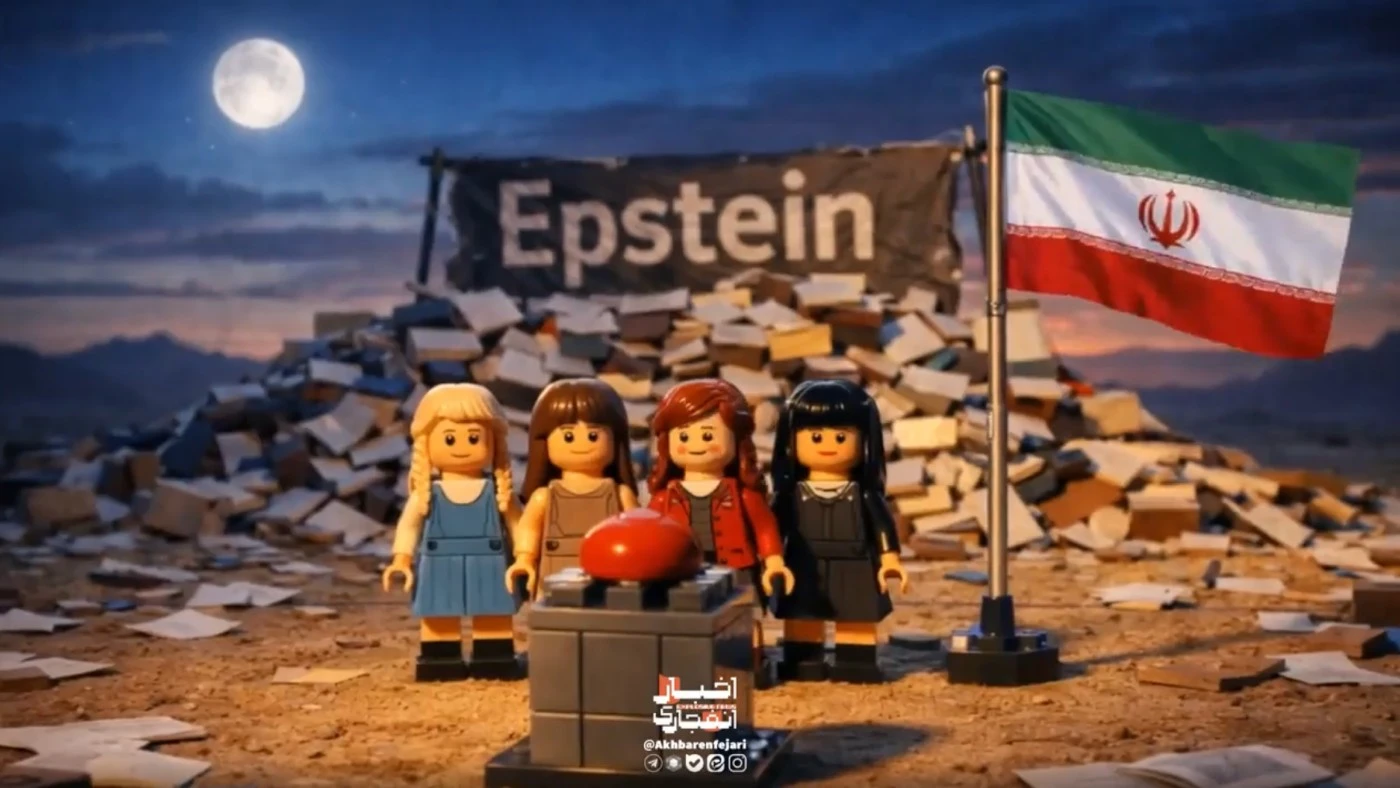
YouTube has suspended a channel identified as pro-Iran after it published a series of Lego-style animated videos that mocked former US President Donald Trump. The channel, which had gained traction for its stylized political satire, was removed for violating the platform’s policies, though YouTube has not publicly disclosed the exact rule breach in detail.
The clips featured simplified Lego-like characters reenacting political scenarios, often portraying Trump in exaggerated or critical contexts. While political satire is generally allowed on the platform, enforcement becomes stricter when content intersects with coordinated influence operations, misinformation, or state-linked narratives.
Why YouTube Took Action
YouTube’s moderation decisions typically hinge on a mix of content signals—ranging from harmful misinformation to coordinated inauthentic behavior. In this case, experts suggest the suspension may not be solely about satire, but rather about who is behind the content and how it is distributed.
Platforms like YouTube have increasingly tightened scrutiny on:
- State-affiliated media operations
- Political influence campaigns
- Content that may manipulate public perception across borders
If the channel was found to be linked—directly or indirectly—to organized propaganda efforts, that would likely trigger enforcement under YouTube’s broader coordinated influence and harmful content policies.
The Grey Area: Satire vs. Propaganda
This case sits in a familiar grey zone. Political satire, even when harsh or controversial, is usually protected as a form of expression. However, when satire is used as a vehicle for strategic messaging tied to geopolitical agendas, platforms face a more complex decision.
The Lego-style format adds another layer. Animated or stylized content can:
- Lower viewer skepticism
- Increase shareability
- Appeal to younger or broader audiences
This makes such content particularly effective—but also potentially problematic if used for influence campaigns.
Broader Context: Rising Platform Crackdowns
YouTube’s move aligns with a broader industry trend. Over the past few years, major platforms—including Meta, X (formerly Twitter), and YouTube—have ramped up efforts to curb state-linked information operations, especially those tied to geopolitical tensions.
These crackdowns have intensified amid:
- Ongoing US-Iran tensions
- Global elections and political polarization
- Growing regulatory pressure on tech companies
Governments and watchdog groups have repeatedly pushed platforms to act faster against content that may blur the line between opinion and manipulation.
Impact on Creators and Viewers
For creators, this suspension is another signal that context matters as much as content. Even if a video falls under satire, factors like network behavior, funding sources, and distribution patterns can influence enforcement.
For viewers, it highlights the importance of source awareness. Stylized or entertaining formats—like Lego animations—can still carry strong political messaging, making it crucial to evaluate not just the content, but its origin.
Expert Take: A Shift Toward Intent-Based Moderation
Industry analysts increasingly view such actions as part of a shift from content-based moderation to intent-based moderation. Instead of focusing only on what is said, platforms are now asking:
- Who is saying it?
- Why is it being distributed?
- Is there coordinated amplification?
This evolution reflects the growing complexity of online information ecosystems, where influence is often subtle, layered, and disguised as entertainment.
What This Means Going Forward
YouTube’s decision suggests stricter enforcement is here to stay—especially for politically sensitive content with potential international implications. As platforms refine their policies, more creators operating in borderline spaces may face similar scrutiny.