 TECH TIMES NEWS
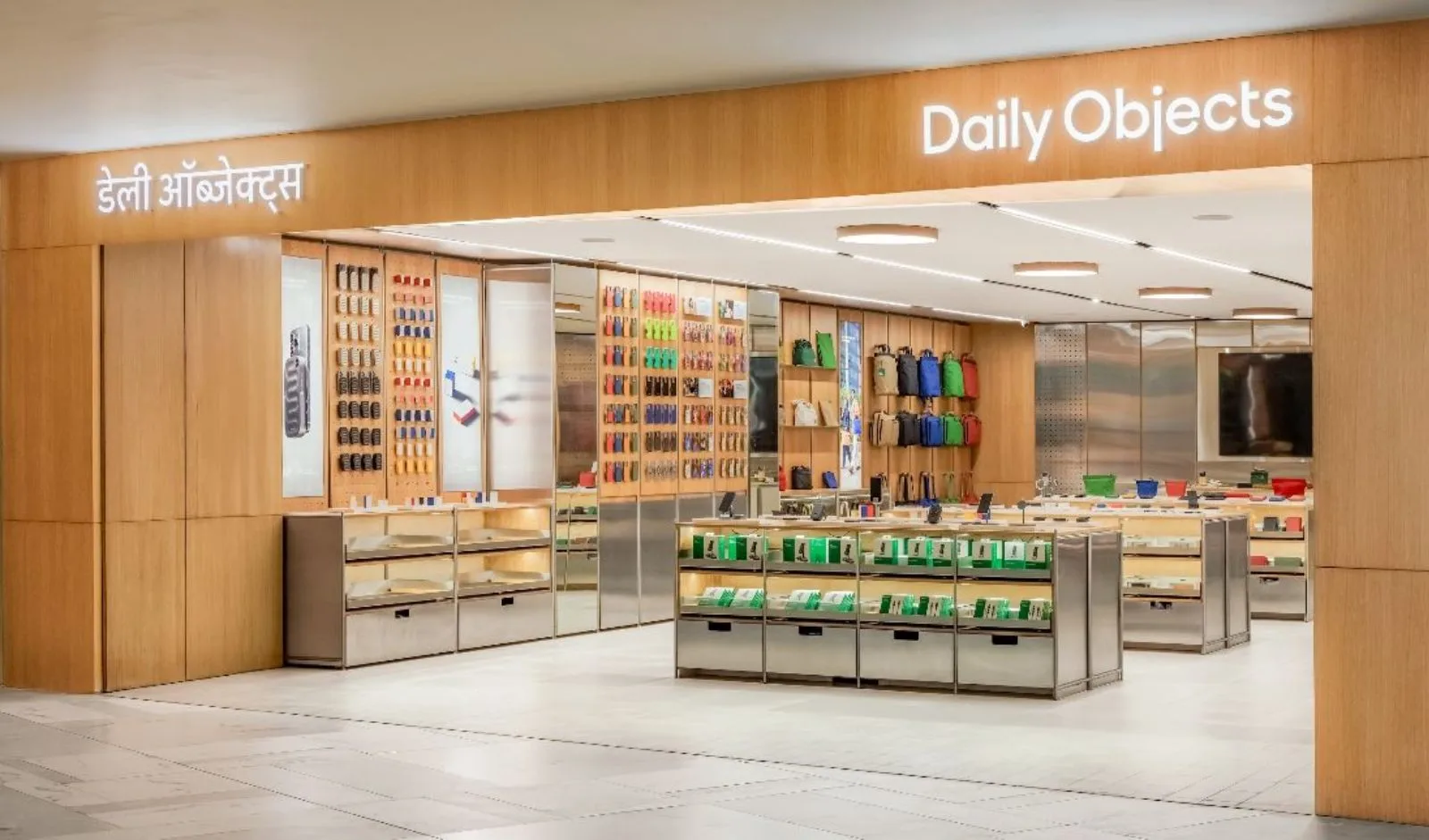
Direct-to-consumer (D2C) lifestyle brand DailyObjects is witnessing a notable shift in its customer base, with nearly one-third of its total sales now originating from non-metro cities, according to the company’s CEO. The development highlights a broader transformation in India’s consumption landscape, where demand is no longer concentrated in metro hubs like Delhi, Mumbai, or Bengaluru.
This shift reflects increasing digital adoption, improved logistics networks, and rising disposable incomes in Tier 2 and Tier 3 cities. Consumers in these regions are becoming more brand-conscious and are actively seeking premium yet functional lifestyle products—categories where DailyObjects has built a strong presence.
What’s Driving Growth in Tier 2 and Tier 3 Markets
The surge in non-metro sales is not accidental. Several structural factors are contributing to this momentum. Affordable internet access and widespread smartphone penetration have made e-commerce platforms more accessible than ever. Combined with faster delivery timelines and improved last-mile logistics, consumers in smaller cities now enjoy a shopping experience comparable to their metro counterparts.
Additionally, aspirational buying behavior is playing a crucial role. Younger consumers in non-metro areas are increasingly influenced by social media trends and digital content, pushing them toward branded accessories, tech gear, and everyday carry products—core segments for DailyObjects.
Product Strategy Aligned with New India
DailyObjects’ product portfolio—ranging from phone cases and laptop sleeves to organizers and bags—caters to a growing segment of consumers looking for design-led, utility-driven products. The company has focused on maintaining a balance between affordability and premium appeal, which resonates strongly with non-metro buyers.
Industry observers note that D2C brands that succeed in India are those that localize their offerings while maintaining a consistent brand identity. DailyObjects appears to be leveraging this approach effectively, ensuring that its products remain relevant across diverse geographies.
Operational Expansion and Logistics Advantage
Behind the scenes, logistics and supply chain improvements have played a critical role. Faster fulfillment centers, regional warehousing, and partnerships with delivery providers have enabled the company to scale efficiently in smaller cities. Reduced delivery times and better service reliability are key enablers of repeat purchases—especially in markets that were previously underserved.
Moreover, the brand’s online-first model allows it to bypass traditional retail limitations, making it easier to reach customers in areas where physical retail infrastructure may be limited.
Industry-Wide Trend, Not an Isolated Case
DailyObjects’ growth trajectory aligns with a larger trend across India’s e-commerce and D2C ecosystem. Multiple brands across fashion, electronics, and personal care have reported increasing contributions from non-metro regions over the past few years.
Market analysts suggest that the next phase of e-commerce growth in India will be driven primarily by Tier 2 and Tier 3 cities. With metros approaching saturation in several categories, brands are now focusing their marketing, pricing, and product strategies toward these emerging markets.
Challenges That Still Remain
Despite the positive momentum, scaling in non-metro regions comes with its own set of challenges. Price sensitivity remains higher compared to metros, requiring brands to carefully manage margins. Cash-on-delivery preferences, return rates, and logistical complexities in remote areas can also impact profitability.
Furthermore, building long-term brand loyalty in these markets requires consistent product quality, customer service, and localized engagement strategies.
What This Means for the Future
The fact that a third of DailyObjects’ sales now come from non-metro cities signals a clear shift in India’s consumption engine. For D2C brands, the takeaway is straightforward: future growth will depend less on expanding in metros and more on capturing the vast, evolving demand in smaller cities.
As digital infrastructure continues to improve and consumer aspirations rise, non-metro India is set to become the backbone of the country’s e-commerce story. Brands that invest early in understanding and serving these markets stand to gain a significant competitive advantage.