 TECH TIMES NEWS
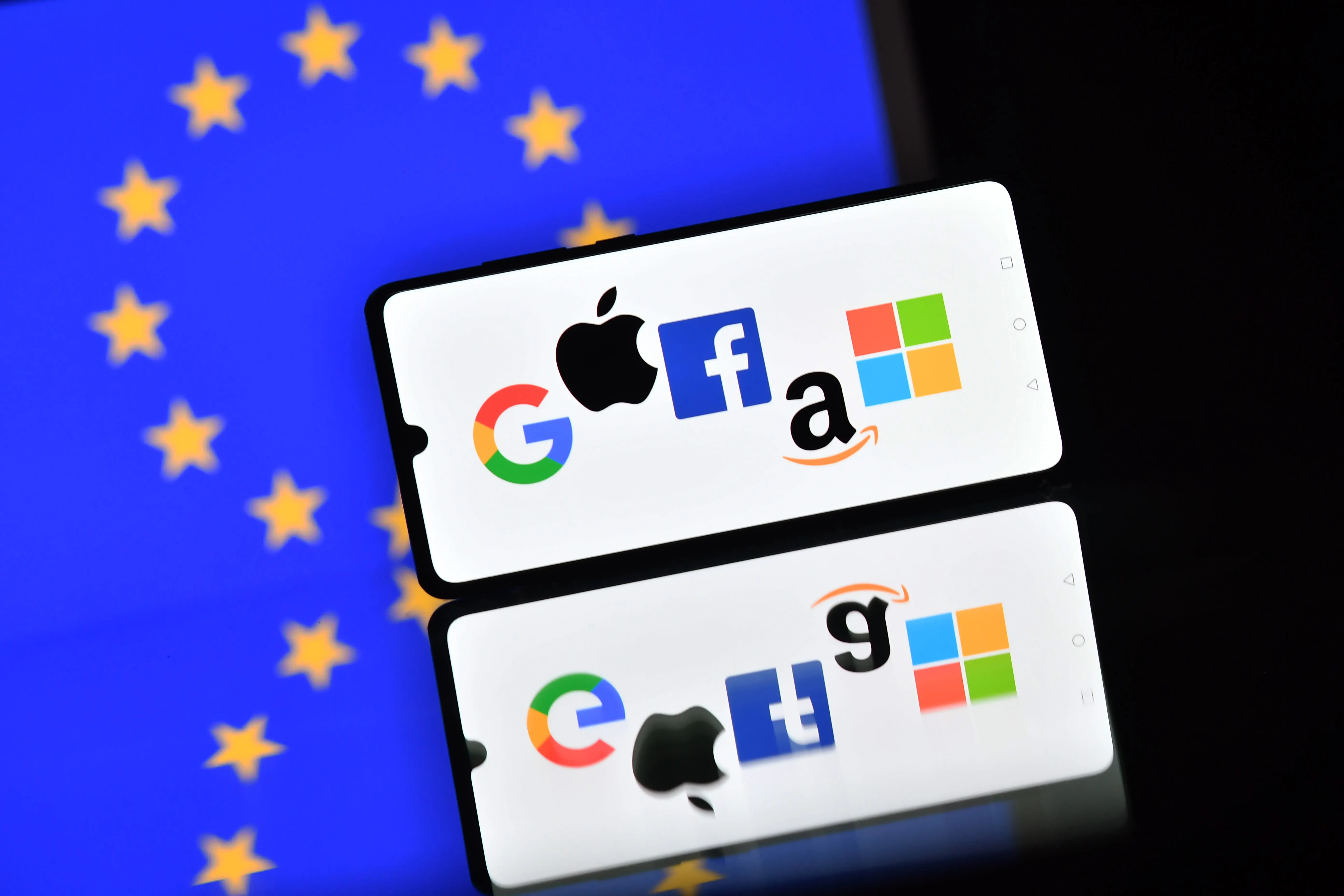
The European Union’s landmark Digital Markets Act (DMA) has moved from policy to enforcement, marking one of the most aggressive regulatory pushes against Big Tech in recent years. Designed to curb the dominance of so-called “gatekeepers,” the law compels the world’s largest technology companies to open up their platforms, services, and ecosystems to rivals—fundamentally altering how digital markets operate across Europe.
The core idea is straightforward: reduce monopolistic control and expand consumer choice. But in practice, the DMA introduces a sweeping set of obligations that could redefine competition in app stores, messaging platforms, search engines, and online advertising.
Who Are the ‘Gatekeepers’ and Why They Matter
Under the DMA, companies such as Apple, Google (Alphabet), Meta, Amazon, and Microsoft have been designated as “gatekeepers” due to their massive user bases, financial strength, and control over key digital platforms. To qualify, firms must meet thresholds tied to market capitalization (typically above €75 billion), annual EU turnover, and user reach—often exceeding 45 million monthly active users in the EU.
These companies act as critical intermediaries between businesses and consumers. Regulators argue that this position has allowed them to prioritize their own services, restrict competition, and lock users into tightly controlled ecosystems.
Key Rules That Change the Game
The DMA introduces a detailed rulebook that directly targets long-standing industry practices:
- App Store Freedom: Apple and Google must allow third-party app stores and alternative payment systems, reducing their control over in-app transactions and commissions.
- Data Portability & Access: Users and businesses gain greater ability to move data across platforms, lowering switching costs.
- No Self-Preferencing: Gatekeepers are barred from favoring their own services in search rankings or app listings.
- Interoperability Mandates: Messaging platforms like WhatsApp and Messenger are required to work with competing services over time.
- Advertising Transparency: Platforms must provide advertisers with clearer data on pricing and performance.
Non-compliance can trigger fines of up to 10% of global annual turnover, rising to 20% for repeated violations—levels significant enough to materially impact even the largest firms.
Early Impact: Industry Adjustments and Resistance
Several tech giants have already begun making visible changes. Apple, for instance, has introduced adjustments in iOS within the EU to allow sideloading and third-party app marketplaces, though critics argue the process remains complex. Google has updated Android policies to align with alternative billing options, while Meta is navigating interoperability requirements for its messaging ecosystem.
Despite these moves, tensions remain high. Many companies claim that forced openness could compromise user privacy, security, and overall user experience. The European Commission, however, maintains that compliance must not be undermined by technical or procedural barriers.
What Consumers and Developers Stand to Gain
For users, the DMA promises more choice—whether that means downloading apps outside traditional app stores, using alternative payment systems, or switching between services without losing data. Developers, particularly smaller ones, could benefit from reduced platform fees and fewer restrictions on how they reach customers.
However, the real-world benefits will depend on how effectively the rules are implemented and enforced. If gatekeepers comply only minimally or introduce friction in new processes, the intended competitive boost may take time to materialize.
Global Ripple Effects Beyond Europe
The DMA is already influencing regulatory thinking worldwide. Policymakers in the United States, United Kingdom, India, and other regions are closely watching its rollout as a potential template for their own digital competition laws.
For Big Tech, this raises a strategic dilemma: maintain region-specific compliance models or adopt broader global changes to streamline operations. Either way, Europe’s approach is setting a precedent that could reshape the global digital economy.
The Strategic Takeaway
The Digital Markets Act is not just another regulation—it represents a structural intervention in how digital markets function. By forcing openness and limiting gatekeeper power, the EU aims to rebalance competition in favor of innovation and consumer choice.
Whether it succeeds will depend on enforcement rigor, corporate adaptation, and how effectively new entrants capitalize on the opportunities created. What’s clear is that the DMA has already shifted the conversation from whether Big Tech should be regulated to how far that regulation should go.