 TECH TIMES NEWS
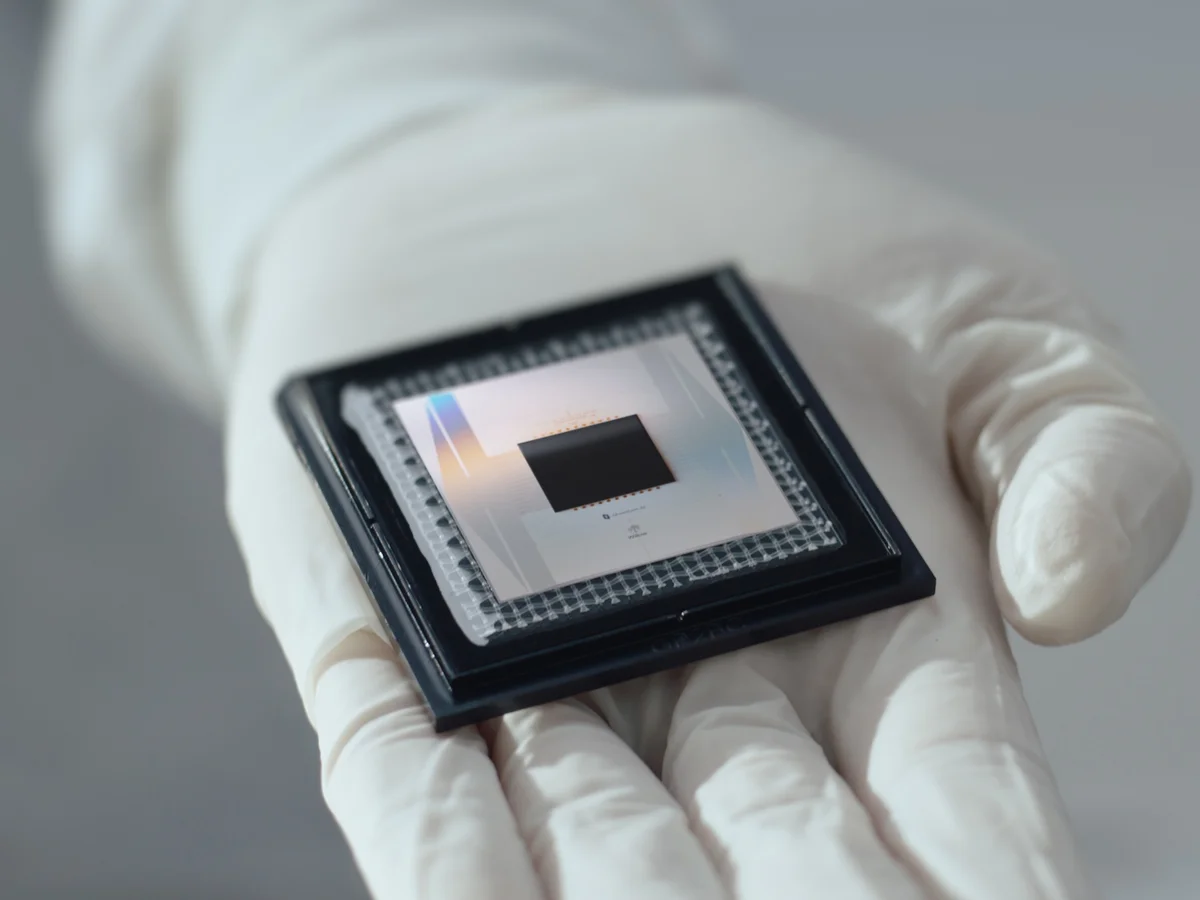
Google’s latest quantum computing milestone—dubbed Quantum Echoes—has reignited concerns among cybersecurity specialists about the proximity of “Q-day,” the point at which quantum machines could theoretically break the encryption protecting today’s digital infrastructure. The new research, published by Google’s Quantum AI team, demonstrates a more reliable method of detecting and reversing quantum errors—considered one of the biggest roadblocks to functional quantum computers.
Highlight: What Quantum Echoes Actually Solves
Quantum Echoes improves upon existing error-correction models by enabling qubits to maintain coherence for longer periods. Qubits are notoriously unstable, and correcting their errors is essential before quantum computers can tackle real-world problems, including breaking RSA or ECC encryption. Google’s experiment shows a reproducible “echo” pattern in qubit behavior, allowing researchers to better predict and neutralise error states.
Why This Matters: Error Correction Is the Last Giant Hurdle
Error correction is the foundation of scalable quantum computing. Without it, qubits behave too unpredictably to perform long computations. Google’s announcement suggests researchers are inching closer to building systems with thousands—or even millions—of stable qubits, a requirement for code-breaking algorithms like Shor’s.
Expert Reactions: A Step Forward, Not a Crisis—Yet
While the breakthrough is notable, experts warn against assuming Q-day is imminent. Cryptography researchers point out that functional quantum computers capable of breaking encryption would require far more qubits, significantly higher reliability, and major engineering advances. Several analysts described Google’s announcement as “promising but early-stage,” stressing that the gap between experimental demonstrations and operational hardware remains wide.
Highlight: Governments Are Preparing, Regardless
Even though quantum threats may still be a decade away, global governments are not waiting. The U.S., EU, India, and Japan have already begun transitioning to post-quantum cryptography (PQC) standards. Google itself has started deploying PQC protections in many of its services.
What This Means for Q-Day Timelines
Google’s Quantum Echoes narrows part of the technological gap—but does not collapse the timeline overnight. Analysts predict that although the breakthrough accelerates progress, Q-day still lies years, not months, ahead. However, the pace of improvement suggests that organisations relying on legacy encryption should begin planning migrations now.
Highlight: The Road Ahead for Google’s Quantum Ambitions
Google’s quantum roadmap includes building a “useful quantum computer” before the end of the decade. With Quantum Echoes strengthening its error-correction model, the company appears closer to that target. The next steps involve scaling qubit counts and integrating Echoes into larger experimental systems.