 TECH TIMES NEWS
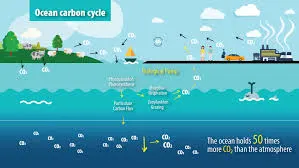
A new scientific study has shed fresh light on how sinking calcium carbonate particles in the ocean play a crucial role in locking away greenhouse gases for long periods, offering new insights into Earth’s natural climate regulation mechanisms.
How Calcium Carbonate Forms in the Ocean
Calcium carbonate is produced by marine organisms such as plankton, corals, and shell-forming creatures. These organisms extract dissolved carbon from seawater to build shells and skeletal structures, creating a solid form of carbon storage.
The Sinking Process and Carbon Sequestration
According to researchers, when these organisms die or shed material, calcium carbonate particles sink to the ocean floor. During this descent and eventual burial in marine sediments, carbon is effectively removed from the atmosphere-ocean system, sometimes for thousands to millions of years.
Balancing Carbon Release and Storage
While calcium carbonate formation can initially release some carbon dioxide into surface waters, the study highlights that the long-term burial of these particles outweighs short-term emissions. This process ultimately contributes to stabilizing atmospheric carbon levels over geological timescales.
Why This Matters for Climate Science
The findings challenge simplified views of ocean carbon cycles and emphasize that mineral-based processes deserve more attention alongside biological carbon pumps. Scientists say understanding these mechanisms is essential for improving climate models and predicting long-term climate trends.
Implications for Future Climate Strategies
Although the process occurs naturally and cannot be rapidly scaled like engineered carbon capture, the research underscores the importance of healthy oceans. Protecting marine ecosystems that produce calcium carbonate could indirectly support Earth’s ability to regulate greenhouse gases.
Oceans as Silent Climate Regulators
Researchers stress that the ocean’s role in climate control extends far beyond absorbing heat and carbon dioxide. The slow, steady sinking of calcium carbonate acts as a quiet but powerful force in reducing long-term greenhouse gas concentrations.