 TECH TIMES NEWS
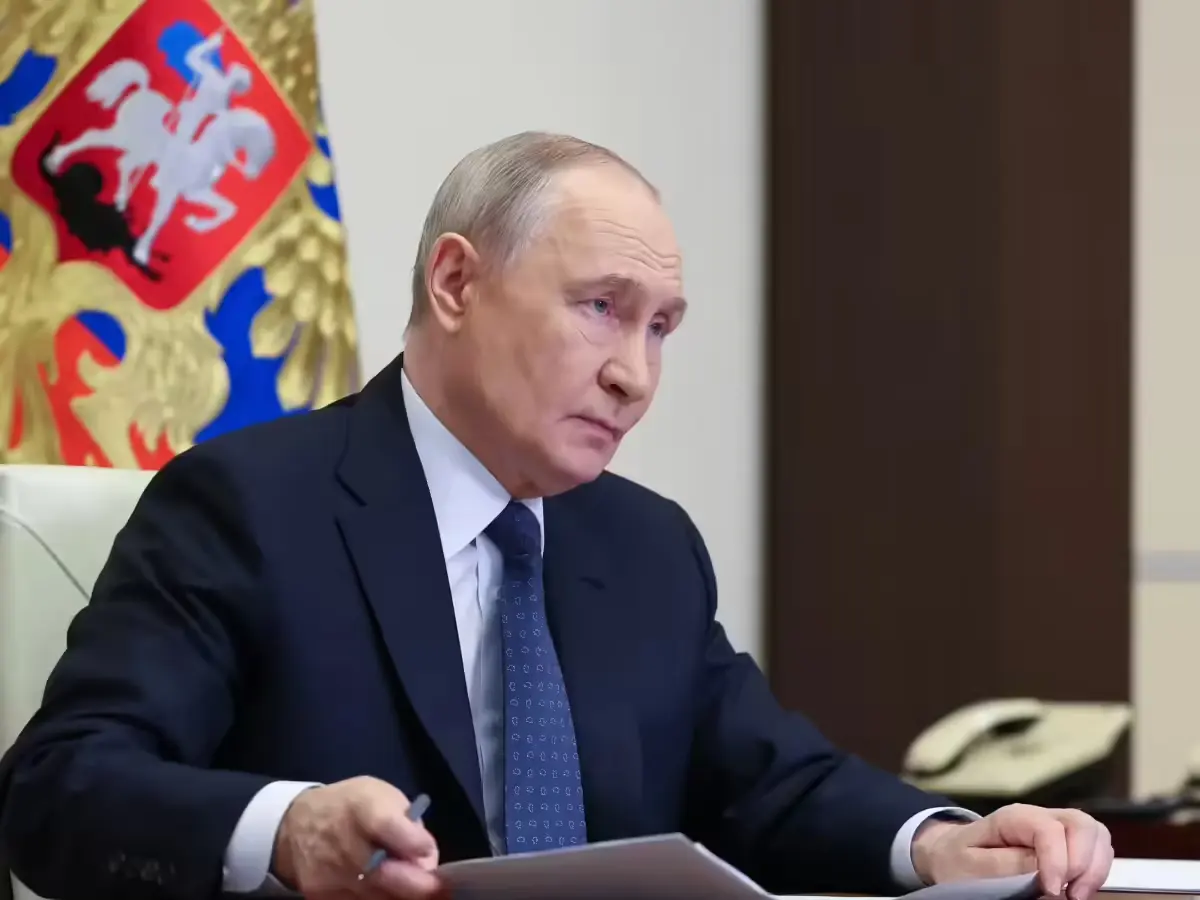
Ukraine has alleged that Russia is actively supporting Iran’s cyber warfare capabilities by providing both technical expertise and high-resolution satellite imagery. According to Ukrainian intelligence officials, this cooperation is designed to enhance Iran’s ability to conduct targeted cyberattacks, particularly against critical infrastructure and strategic assets.
The claims come amid ongoing geopolitical tensions, where cyber operations have increasingly become a central pillar of modern conflict. While independent verification remains limited, the allegations align with growing concerns in Western intelligence circles about closer Russia–Iran ties.
Satellite Imagery and Cyber Tools: A Powerful Combination
At the core of Ukraine’s claim is the assertion that Russia is supplying Iran with detailed spy imagery, potentially sourced from advanced reconnaissance satellites. This data, when combined with cyber capabilities, allows for more precise and effective targeting of digital and physical infrastructure.
Cybersecurity experts note that such integration represents a significant evolution in warfare tactics. Instead of relying solely on malware or network vulnerabilities, attackers can now map real-world targets—such as power grids, military installations, and communication hubs—before launching coordinated digital strikes.
Why This Alliance Matters Globally
The alleged collaboration signals more than just bilateral cooperation—it points to the emergence of a broader cyber alliance among nations seeking to counter Western influence. Russia, already known for its sophisticated cyber units, and Iran, with its expanding network of state-linked hacking groups, form a potentially formidable combination.
Experts warn that this partnership could lead to:
- Increased frequency of state-sponsored cyberattacks
- More precise targeting of critical infrastructure
- Greater difficulty in attribution and defense
For global cybersecurity frameworks, this raises the stakes significantly, especially as digital systems underpin everything from finance to national security.
Western Concerns and Intelligence Community Response
Security agencies in the United States and Europe have previously highlighted Iran’s growing cyber capabilities, often linked to groups such as APT33 and APT34. If supported by Russian intelligence and tools, these groups could operate with enhanced sophistication and reach.
Analysts suggest that intelligence-sharing agreements between Russia and Iran may also include training, malware development, and operational coordination. This could accelerate Iran’s transition from regional cyber actor to a more globally impactful threat.
Cyber Warfare as the New Battlefield
The Ukraine conflict has already demonstrated how cyber operations can complement traditional military strategies. From disrupting communication networks to targeting energy infrastructure, cyberattacks have proven to be both cost-effective and difficult to counter.
The alleged Russia–Iran cooperation underscores a broader trend: cyber warfare is no longer a standalone domain but an integrated component of modern military doctrine. Nations are increasingly blending digital attacks with intelligence and surveillance to maximize impact.
What Comes Next
While Russia and Iran have not officially confirmed these allegations, the claims are likely to intensify scrutiny from international watchdogs and cybersecurity agencies. The situation may also prompt stronger defensive measures from NATO and allied nations, including investment in cyber resilience and intelligence-sharing mechanisms.
For policymakers and security experts, the key takeaway is clear: cyber alliances are becoming as critical as traditional military partnerships. As these relationships deepen, the line between digital and physical conflict continues to blur.
Key Takeaway for Readers
This development highlights how cyber warfare is evolving into a highly coordinated, intelligence-driven domain. The potential Russia–Iran collaboration serves as a reminder that future conflicts will increasingly be fought not just on land, sea, or air—but across networks, data systems, and digital infrastructure worldwide.