 TECH TIMES NEWS
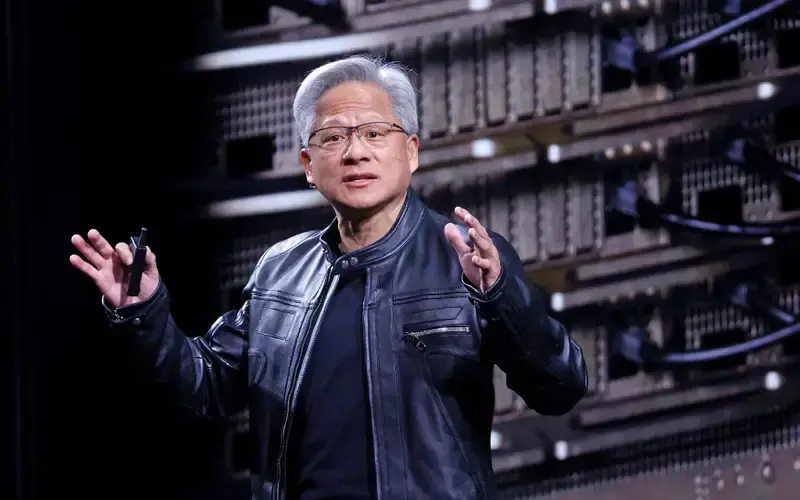
A new report suggests that OpenAI CEO Sam Altman and Nvidia CEO Jensen Huang have cautiously welcomed the Trump administration’s decision to impose additional fees on H-1B visa applications. The policy, announced as part of broader immigration reforms, has sparked debate in Silicon Valley and beyond.
Balancing Talent Access and Immigration Costs
While both executives acknowledged that the tech industry depends heavily on global talent, they stressed the importance of ensuring fair access without overly straining companies financially. Altman reportedly said the move could “help regulate demand” but warned that high costs should not deter startups from hiring skilled workers.
Nvidia’s Huang Emphasizes Fair Competition
Jensen Huang, who has long advocated for a balanced immigration framework, indicated that the fee might act as a filter against misuse of the visa system. However, he also emphasized the need to maintain America’s competitive edge by keeping the country attractive for top engineers and researchers.
Industry Divided Over Policy
The policy has triggered mixed reactions across the tech sector. Larger corporations with deep pockets may find it easier to absorb additional costs, while smaller companies and startups could face challenges. Immigration advocates argue that higher fees could restrict opportunities for talented workers seeking entry into the U.S.
Political Context and Business Concerns
The move comes ahead of the U.S. election cycle, where immigration remains a central issue. For tech leaders, the challenge lies in balancing political realities with their urgent need for global talent in fields like AI, semiconductor design, and cloud computing.
Looking Ahead
Despite cautious approval from Altman and Huang, the industry at large remains watchful. The effectiveness of the H-1B visa fee in addressing misuse, without discouraging innovation, will determine its long-term impact on the U.S. technology sector.