 TECH TIMES NEWS
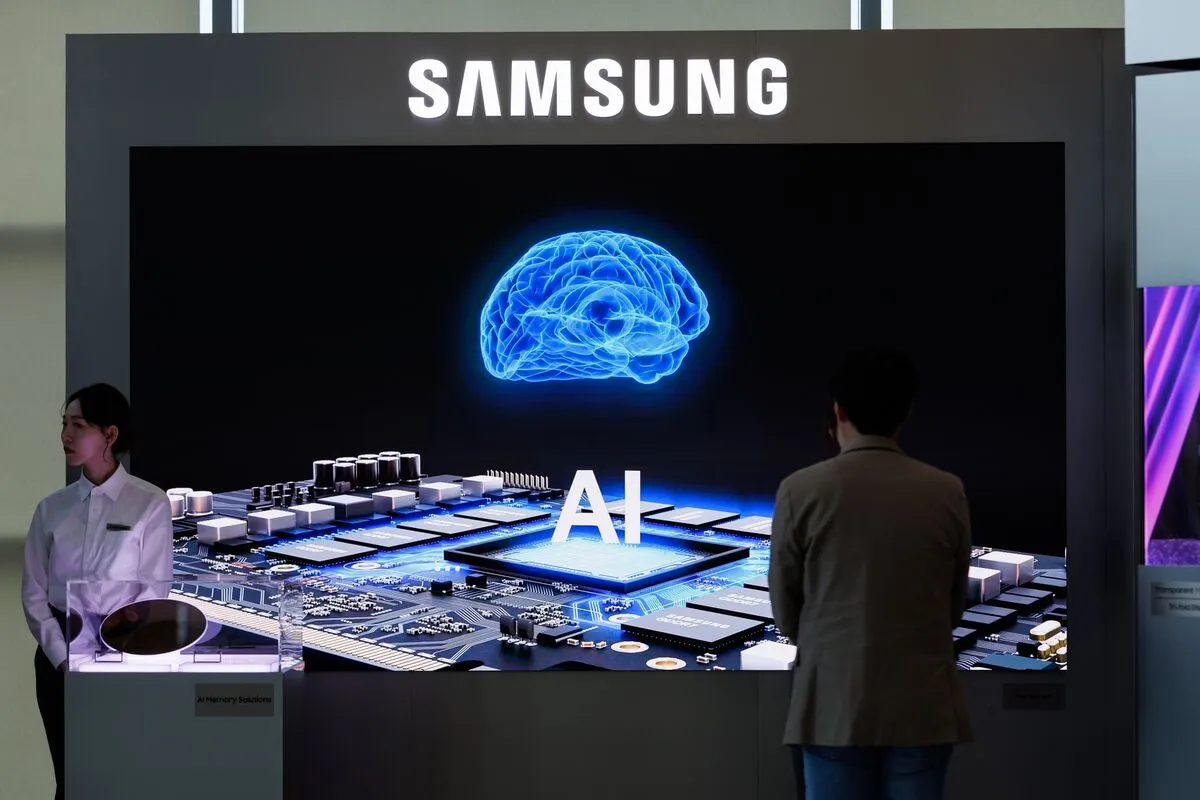
Samsung Electronics has reported its highest-ever quarterly profit, driven primarily by surging global demand for artificial intelligence (AI) chips. The South Korean tech giant said its semiconductor division experienced a sharp turnaround as data center operators and cloud service providers accelerated investments in AI infrastructure.
Memory Chip Recovery Gains Momentum
A key contributor to the record-breaking performance was the rebound in memory chip prices, particularly high-bandwidth memory (HBM) used in advanced AI accelerators. After a prolonged downturn, Samsung benefited from tightening supply and rising orders for next-generation DRAM products optimized for AI workloads.
AI Servers and Data Centers Lead Demand
The company noted that hyperscale data centers and enterprise customers significantly increased purchases of AI-focused semiconductors. HBM chips, essential for training and running large AI models, have emerged as one of Samsung’s fastest-growing product categories, helping offset softer demand in consumer electronics.
Foundry and Advanced Packaging See Renewed Interest
Samsung’s foundry business also saw improved utilization as AI chip designers sought advanced manufacturing nodes and packaging solutions. The company highlighted growing interest in its chip-on-wafer and advanced packaging technologies, which are increasingly critical for high-performance AI processors.
Mobile and Consumer Electronics Remain Stable
While smartphones and consumer electronics showed modest growth, they played a secondary role in the earnings surge. Samsung said premium smartphone sales remained steady, but acknowledged that AI-driven semiconductor demand was the primary earnings engine during the period.
Outlook Signals Continued AI-Driven Growth
Looking ahead, Samsung expects AI-related demand to remain strong throughout the year, with further expansion planned in HBM production capacity. The company indicated it will continue heavy investments in semiconductor R&D to maintain competitiveness as global AI adoption accelerates.