 TECH TIMES NEWS
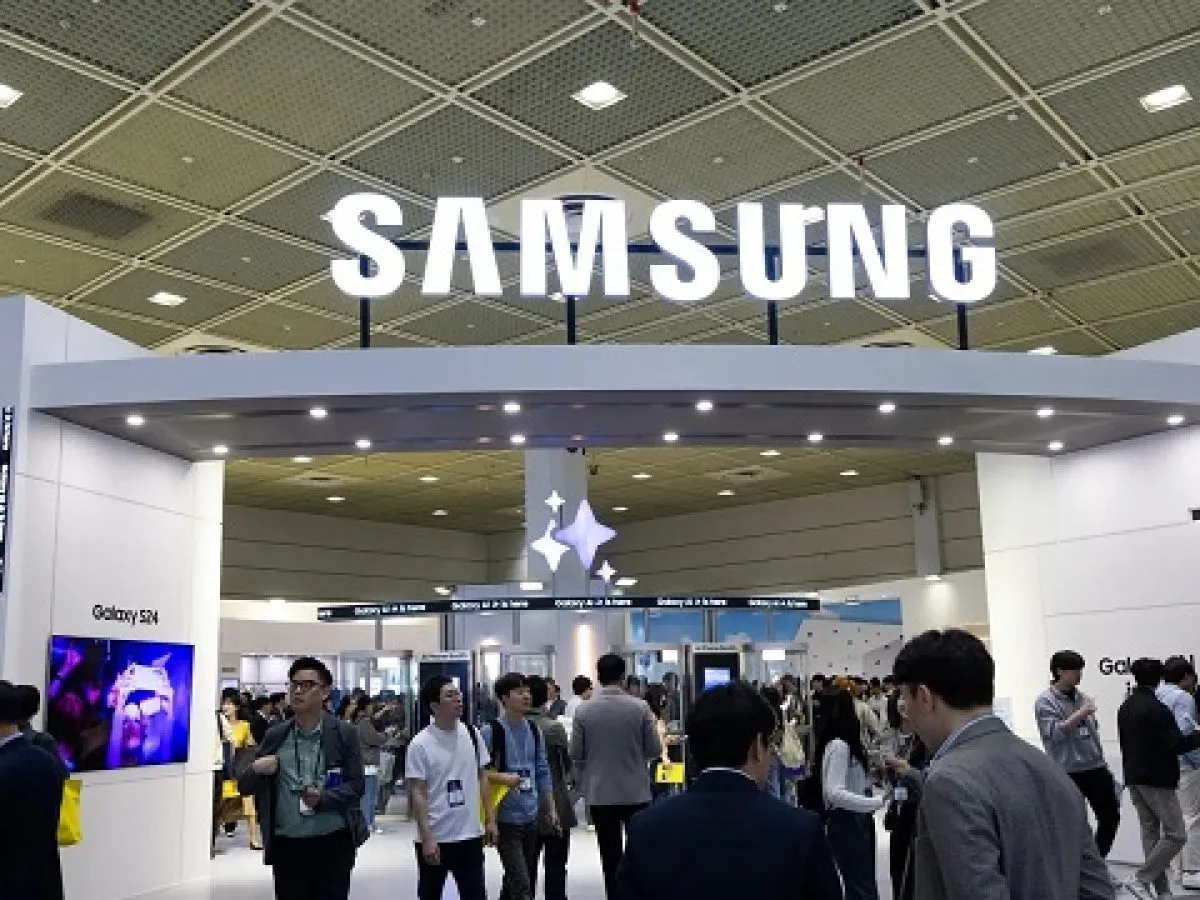
Samsung Electronics has projected an extraordinary eightfold increase in its quarterly operating profit, marking one of its strongest financial rebounds in recent years. The surge is largely attributed to explosive global demand for artificial intelligence (AI) chips, particularly advanced memory components used in data centers.
This sharp rise signals a turning point for the semiconductor industry, which had been grappling with a downturn driven by weak consumer electronics demand just a year ago. Now, AI is not just stabilizing the market—it’s accelerating it.
Memory Chips at the Heart of the Growth
At the core of Samsung’s performance is its dominance in memory chips, especially DRAM and High Bandwidth Memory (HBM)—critical components powering AI workloads. These chips are essential for training and running large AI models, including generative AI systems.
With companies like Nvidia, Google, and Microsoft scaling up AI infrastructure, demand for high-performance memory has surged dramatically. This has led to:
- Tighter supply conditions
- Sharp price increases
- Improved profit margins for manufacturers
Samsung, being one of the world’s largest memory chip producers, is uniquely positioned to capitalize on this shift.
From Downturn to Supercycle: A Market Reversal
The semiconductor sector has effectively flipped from oversupply to constrained availability in less than a year. In 2023–24, chipmakers faced falling prices due to excess inventory and sluggish demand for smartphones and PCs.
Now, the narrative has changed:
- AI-driven demand is replacing traditional consumer electronics as the primary growth engine
- Data center investments are scaling aggressively
- Memory chip prices are rebounding faster than expected
Industry analysts are increasingly calling this phase an “AI-driven supercycle”—a period of sustained high demand and pricing power.
Strategic Positioning Against Rivals
Samsung’s performance also highlights intensifying competition in the AI semiconductor space. While SK Hynix has taken an early lead in supplying HBM to Nvidia, Samsung is rapidly expanding its capabilities to close the gap.
The company is:
- Increasing investment in advanced packaging technologies
- Accelerating HBM production capacity
- Strengthening partnerships with global AI hardware firms
This strategic push is crucial, as AI chips are expected to remain the most lucrative segment of the semiconductor industry for the foreseeable future.
What This Means for the Tech Ecosystem
Samsung’s results go beyond one company—they reflect a structural shift in how the tech industry operates.
Key takeaways for readers:
- AI is now the primary driver of semiconductor demand, overtaking smartphones and PCs
- Memory chips, once commoditized, are becoming strategic assets
- Pricing power is returning to chipmakers after years of volatility
- The AI infrastructure race is reshaping global supply chains
For investors and tech watchers, this marks the beginning of a new cycle where AI—not consumer gadgets—dictates industry momentum.
Outlook: Can the Momentum Sustain?
While the current outlook is strong, questions remain about sustainability. Much depends on:
- Continued AI investment by Big Tech
- Supply expansion catching up with demand
- Geopolitical factors affecting chip manufacturing and trade
However, in the near term, the trajectory is clear: AI is fueling one of the most significant profit booms the semiconductor industry has seen in years—and Samsung is riding the wave.