 TECH TIMES NEWS
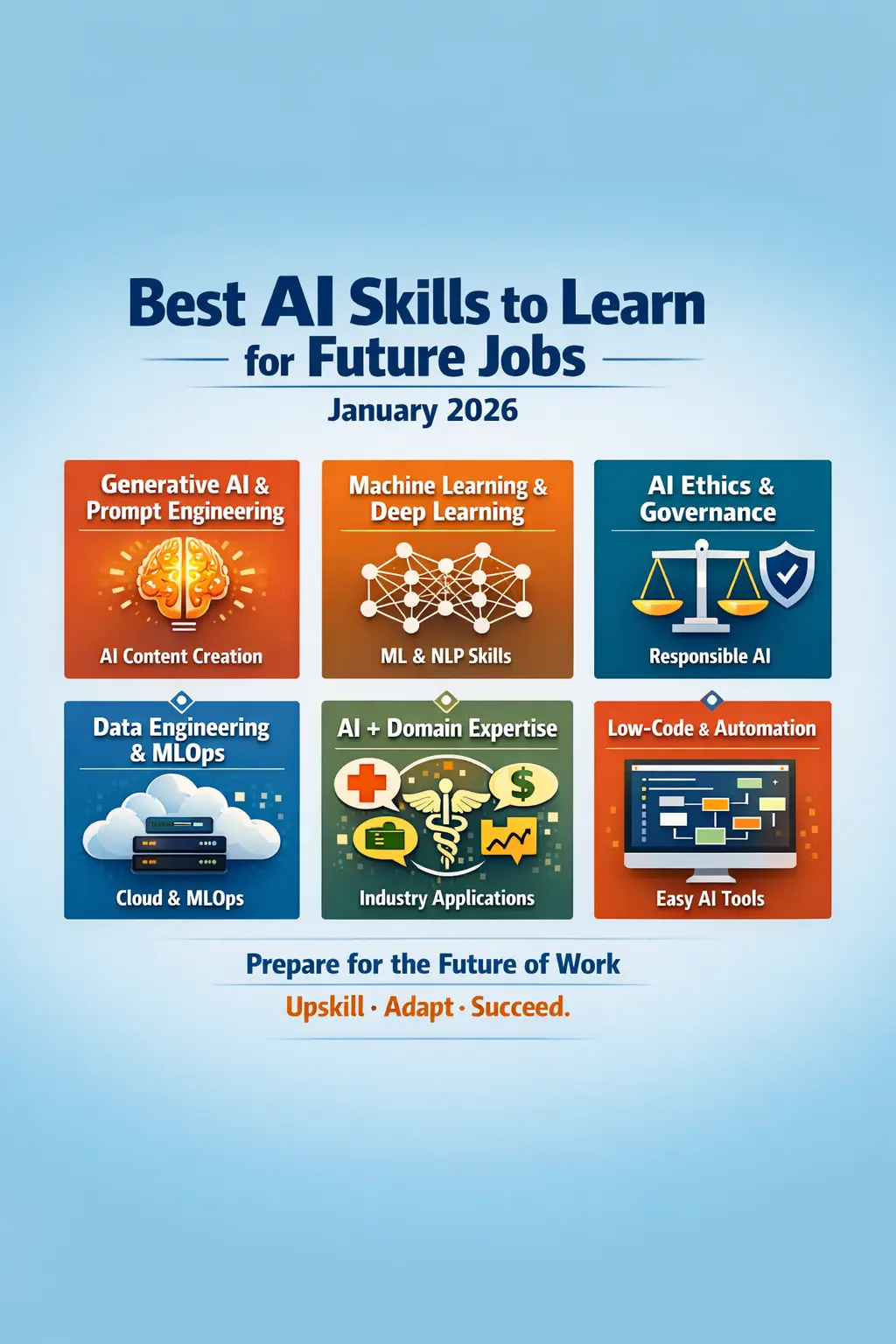
As artificial intelligence continues reshaping global industries in 2026, employers are aggressively hiring professionals with advanced AI capabilities. From healthcare and finance to manufacturing and media, AI-driven transformation is creating new job roles while redefining traditional ones. Recruitment data from leading job portals shows a significant surge in demand for AI specialists, data scientists, automation engineers, and AI product managers.
Experts say the AI talent gap remains wide, making specialized skills more valuable than ever.
Generative AI and Prompt Engineering Lead Demand
With generative AI tools becoming mainstream in enterprise workflows, prompt engineering has evolved into a high-paying skill. Professionals who can effectively design prompts, optimize AI outputs, and fine-tune large language models are increasingly sought after.
Businesses are integrating generative AI into marketing, customer support, software development, and content creation, driving demand for individuals skilled in working with models like LLMs, multimodal AI systems, and AI copilots.
Machine Learning and Deep Learning Remain Core Foundations
Despite the rise of no-code AI platforms, core machine learning expertise continues to dominate hiring trends. Companies require professionals capable of building, training, and deploying ML models using frameworks such as TensorFlow, PyTorch, and Scikit-learn.
Deep learning skills—particularly in computer vision, natural language processing (NLP), and speech recognition—are proving essential for next-generation AI applications, including robotics and autonomous systems.
AI Ethics, Governance, and Responsible AI Gain Importance
As governments introduce stricter AI regulations, organizations are prioritizing ethical AI deployment. Skills in AI governance, bias detection, explainable AI (XAI), and compliance management are becoming critical.
Professionals who understand regulatory frameworks, data privacy laws, and AI risk management are emerging as key hires in 2026. Responsible AI is no longer optional—it is a business necessity.
Data Engineering and AI Infrastructure Skills Surge
AI systems rely heavily on scalable infrastructure. As a result, expertise in data engineering, cloud computing, and MLOps (Machine Learning Operations) is highly valued.
Knowledge of tools such as Kubernetes, Docker, Apache Spark, and major cloud platforms enables professionals to manage large datasets and deploy AI models efficiently at scale.
AI + Domain Expertise Becomes a Winning Combination
Industry leaders emphasize that combining AI skills with domain-specific knowledge significantly improves employability. Healthcare AI specialists, fintech AI analysts, cybersecurity AI experts, and AI-powered supply chain professionals are among the fastest-growing roles.
Rather than pure technical ability alone, employers increasingly seek candidates who can apply AI solutions to real-world business challenges.
Low-Code AI and Automation Skills Open Entry-Level Opportunities
For beginners, low-code and no-code AI tools are lowering entry barriers. Platforms offering automated machine learning (AutoML), workflow automation, and AI-powered analytics allow professionals from non-technical backgrounds to participate in AI-driven projects.
Digital literacy, analytical thinking, and AI tool familiarity are becoming baseline skills across many job functions.
Continuous Learning Becomes Essential in 2026
With AI evolving at unprecedented speed, experts stress the importance of continuous upskilling. Online certifications, AI bootcamps, open-source contributions, and hands-on project experience are considered crucial for staying competitive.