 TECH TIMES NEWS
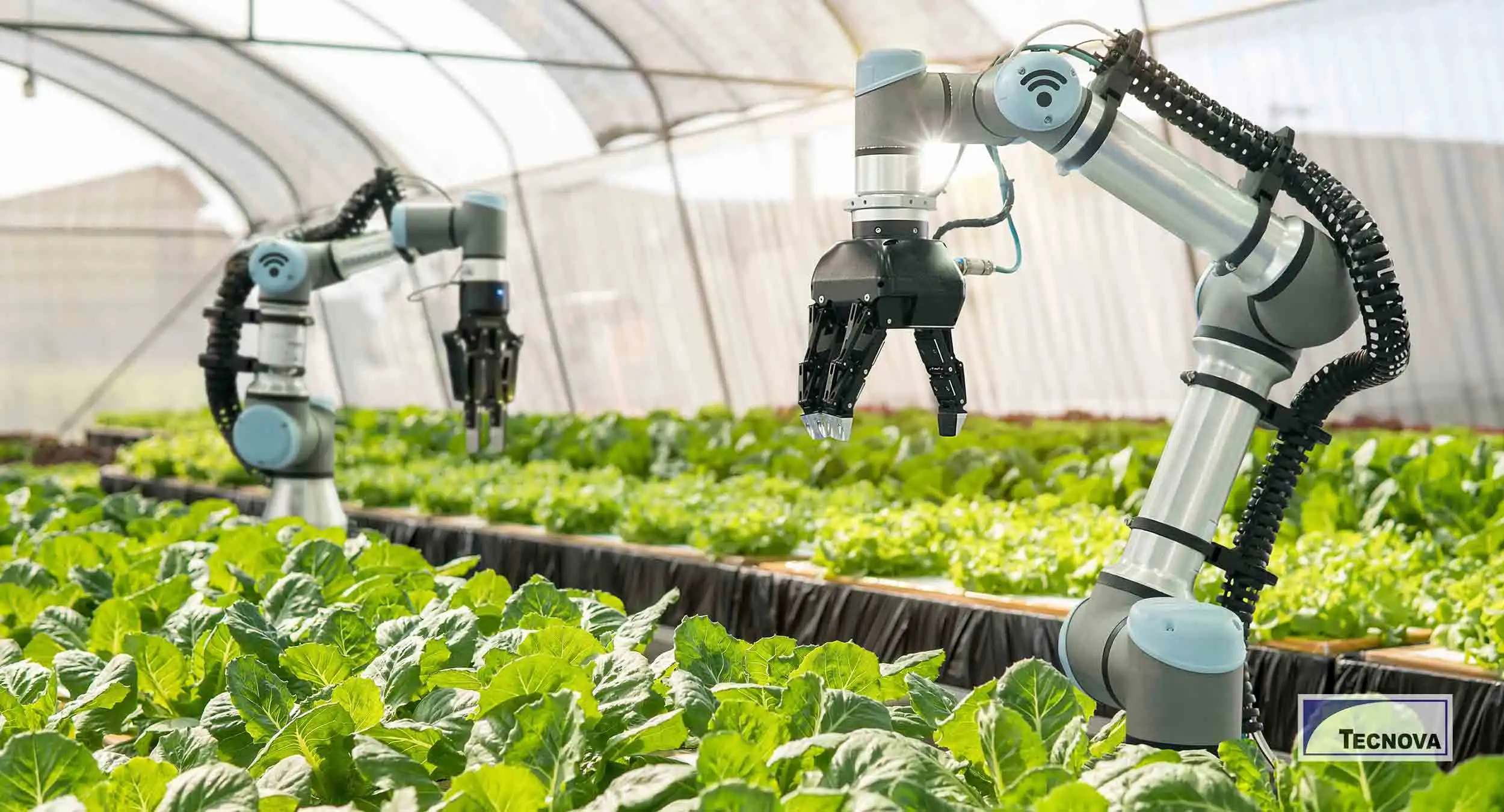
Agricultural technology is playing a major role in improving farm productivity, minimizing post-harvest losses, and helping farmers adapt to climate-related challenges, experts said during a recent webinar focused on the future of agri-tech and sustainable farming.
The discussion brought together agricultural scientists, industry professionals, policymakers, startup founders, and technology experts who highlighted how digital tools are reshaping farming practices across India and other developing agricultural economies.
Speakers emphasized that technologies such as artificial intelligence (AI), Internet of Things (IoT)-based monitoring systems, drone surveillance, precision irrigation, and data-driven farm management are enabling farmers to make faster and more informed decisions.
According to experts, agri-tech is no longer limited to large commercial farms. Affordable mobile-based platforms and digital advisory services are increasingly helping small and marginal farmers improve crop planning, pest management, and market access.
Productivity Gains Becoming Visible Across Farming Operations
Precision Farming Helping Farmers Optimize Resources
Experts at the webinar noted that precision farming technologies are significantly improving crop productivity while reducing unnecessary use of water, fertilizers, and pesticides.
Smart irrigation systems, soil sensors, satellite-based crop monitoring, and AI-driven analytics are allowing farmers to monitor field conditions in real time. This has resulted in better resource utilization and lower operational costs.
“Technology-driven farming is helping improve yields without proportionally increasing input costs,” one panelist observed during the session. “Farmers are now able to identify crop stress earlier and respond more effectively.”
Industry analysts participating in the discussion said precision agriculture could become increasingly important as climate variability and water scarcity continue to affect traditional farming patterns.
India’s agriculture sector contributes nearly 18% to the country’s GDP and supports a large rural workforce. However, inconsistent weather conditions, fragmented land holdings, and supply-chain inefficiencies continue to affect farm incomes.
Experts argued that wider technology adoption could help bridge some of these structural gaps.
Post-Harvest Management Emerging as a Key Focus Area
Technology Helping Reduce Food Losses After Harvest
A major portion of the webinar focused on post-harvest management, an area where developing economies continue to face significant losses due to inadequate storage, transportation, and supply-chain infrastructure.
Experts highlighted that agri-tech innovations are improving cold-chain logistics, warehouse monitoring, grading systems, and digital traceability mechanisms.
India reportedly loses a considerable percentage of fruits, vegetables, and perishable produce annually due to poor storage and inefficient transportation systems. Webinar participants said advanced storage technologies and real-time inventory tracking could help reduce these losses substantially.
“Improving productivity alone is not enough,” a supply-chain specialist said during the discussion. “The agricultural ecosystem must also ensure that harvested crops reach markets efficiently and with minimal wastage.”
Technologies such as blockchain-based traceability systems and IoT-enabled cold storage units are increasingly being explored to maintain product quality and improve transparency in food supply chains.
Artificial Intelligence and Data Analytics Gaining Momentum
AI-Based Advisory Platforms Supporting Better Decision-Making
Artificial intelligence emerged as one of the central themes during the webinar, with experts discussing its growing applications in weather forecasting, disease detection, crop prediction, and farm advisory services.
AI-powered mobile applications are now capable of analyzing crop images, identifying diseases, and recommending corrective measures within minutes. These tools are helping farmers respond quickly to pest outbreaks and weather-related threats.
Experts also noted that predictive analytics could improve market planning by helping farmers estimate demand trends and pricing patterns before harvest seasons.
The integration of machine learning with satellite imaging and remote sensing technologies is expected to further strengthen precision agriculture capabilities in the coming years.
Startups Driving Innovation in Rural Agriculture
Agri-Tech Ecosystem Expanding Rapidly
The webinar also highlighted the rapid growth of agri-tech startups, particularly in India, where investment in agricultural innovation has increased steadily over the past few years.
Startups are developing solutions across multiple segments including farm financing, digital marketplaces, supply-chain optimization, farm equipment rental, and climate-risk assessment.
Experts said the expansion of smartphone penetration and rural internet connectivity has accelerated the adoption of digital agricultural services.
However, speakers also pointed out that affordability and awareness remain major barriers for small farmers.
“Technology adoption will scale only when solutions are localized, affordable, and easy to use,” an agri-business expert said.
Participants called for stronger collaboration between governments, private companies, agricultural universities, and startups to improve outreach and farmer education.
Climate Challenges Making Agri-Tech More Important
Sustainable Farming Practices Becoming a Priority
Climate change and unpredictable weather patterns were identified as major factors accelerating the need for technology-driven farming systems.
Experts warned that rising temperatures, irregular rainfall, and extreme weather events are putting increasing pressure on agricultural productivity worldwide.
In response, climate-smart agriculture solutions such as drought-resistant crop planning, automated irrigation systems, and digital weather advisory platforms are gaining importance.
Webinar speakers stressed that sustainability must remain central to future agricultural policies and technology development.
They argued that agri-tech should not only focus on productivity gains but also on long-term environmental resilience, soil health preservation, and efficient water management.
Need for Policy Support and Farmer Training
Experts Call for Stronger Digital Infrastructure
While experts acknowledged the progress made in agricultural digitization, they said large-scale transformation would require policy support, better rural infrastructure, and continuous farmer training programs.
Improving internet connectivity in rural areas, expanding access to digital payment systems, and strengthening agricultural extension services were identified as critical priorities.
Participants also emphasized the importance of building trust among farmers through field demonstrations and practical training sessions.
According to experts, the next phase of agri-tech growth will depend on how effectively technology providers can simplify solutions for everyday farm use.
Agri-Tech Seen as a Long-Term Growth Driver
Sector Expected to Play Key Role in Food Security
Concluding the webinar, experts agreed that agri-tech will remain a major driver of agricultural modernization and food security in the coming decades.
As global food demand continues to rise, technology-enabled farming systems are expected to play an increasingly important role in improving efficiency, reducing waste, and supporting sustainable agricultural development.
Industry observers believe that the combination of digital innovation, policy reforms, and farmer participation could significantly reshape the future of agriculture across emerging markets.
The webinar ultimately underscored a broader shift within the farming sector — from traditional practices toward a more connected, data-driven, and sustainable agricultural ecosystem.