 TECH TIMES NEWS
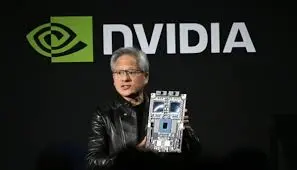
Nvidia CEO Jensen Huang is reportedly set to join the advisory board of Beijing’s Tsinghua University, one of China’s most prestigious institutions for engineering, computer science, and artificial intelligence research. The development, first reported by Chinese media outlets, comes at a time when Nvidia remains at the center of the global AI boom and intensifying US-China technology tensions.
While neither Nvidia nor Tsinghua University immediately issued a detailed public statement confirming the full scope of the role, the reported appointment is already drawing significant attention across the semiconductor and AI industries. Analysts view the move as strategically important given China’s continued push to strengthen domestic AI capabilities and semiconductor expertise.
Why Tsinghua University Matters in China’s Tech Ecosystem
Tsinghua University is widely regarded as one of China’s top academic institutions and has played a major role in producing engineering talent, AI researchers, and technology executives. The university maintains deep connections with China’s technology sector and has historically contributed to advancements in semiconductor research, computing, and machine learning.
Many influential Chinese tech leaders and policymakers are associated with Tsinghua, making its advisory structure particularly important for global technology companies seeking long-term engagement with China’s innovation ecosystem.
For Nvidia, closer academic collaboration could help strengthen relationships with researchers, developers, and future AI engineers in one of the world’s largest technology markets.
Nvidia Continues Balancing Growth and Geopolitical Pressure
The reported board appointment arrives during a sensitive period for Nvidia. The company has experienced explosive growth due to surging global demand for AI chips used in data centers, generative AI models, and cloud infrastructure. Nvidia’s market value has climbed dramatically over the past two years as firms worldwide race to build advanced AI systems.
At the same time, Nvidia faces mounting regulatory pressure from the United States government, which has imposed export restrictions on advanced AI chips destined for China. Washington has argued that certain high-performance semiconductors could support military or strategic technological development.
To comply with those rules, Nvidia has introduced modified AI chips specifically designed for the Chinese market. However, tightening regulations have repeatedly forced the company to adjust its product strategy in the region.
Jensen Huang has consistently emphasized the importance of China to Nvidia’s long-term business operations, describing the country as a critical market for innovation, research, gaming, cloud computing, and AI adoption.
Academic Partnerships Becoming More Important in the AI Race
The AI industry is increasingly dependent on universities and research institutions for talent recruitment, foundational research, and early-stage innovation. Companies such as Nvidia, Microsoft, Google, and OpenAI have expanded collaborations with universities globally to accelerate AI development and secure skilled researchers.
Experts say Huang’s reported involvement with Tsinghua could reflect Nvidia’s broader strategy to remain closely connected to international research communities despite geopolitical fragmentation in the technology sector.
China continues investing heavily in AI education and semiconductor independence as it seeks to reduce reliance on foreign technology suppliers. Universities including Tsinghua are central to those national ambitions.
Industry Experts See Strategic Significance Beyond Symbolism
Technology analysts believe the reported appointment carries both symbolic and practical importance. Symbolically, it demonstrates Nvidia’s willingness to maintain engagement with Chinese academic institutions even amid rising political scrutiny between Washington and Beijing.
Practically, it may help Nvidia maintain visibility within China’s rapidly evolving AI ecosystem, especially as domestic Chinese chipmakers attempt to compete with global GPU leaders.
“Academic influence and ecosystem relationships matter enormously in the AI industry,” said one semiconductor market observer. “The companies shaping future AI standards are also the ones building long-term relationships with research institutions.”
The move may also help Tsinghua strengthen international collaboration opportunities at a time when China’s universities face increasing restrictions in certain global research partnerships.
Nvidia’s China Position Remains Closely Watched
Despite regulatory hurdles, China remains an important revenue source for Nvidia. The company has repeatedly stated that losing access to the Chinese market would not only impact business growth but could also accelerate the development of domestic alternatives.
Chinese firms are investing aggressively in homegrown AI accelerators and GPU technologies, supported by government-backed semiconductor initiatives. While Nvidia still dominates the global AI hardware market, competition from Chinese chipmakers is expected to intensify over the coming years.
Jensen Huang has emerged as one of the most influential figures in the AI industry, frequently speaking about the transformative potential of artificial intelligence across healthcare, robotics, manufacturing, software, and autonomous systems.
His reported association with Tsinghua University is therefore being viewed not simply as an academic appointment, but as another signal of how deeply interconnected AI research, geopolitics, education, and semiconductor business strategy have become.
Bigger Picture for the Global AI Industry
The reported development reflects a broader reality shaping the AI era: technological leadership is increasingly tied to global talent networks and research institutions rather than just corporate laboratories.
As governments tighten control over advanced technologies, companies like Nvidia are attempting to balance regulatory compliance with maintaining international partnerships and market access.
Whether Jensen Huang’s reported role at Tsinghua becomes largely ceremonial or evolves into a more active collaboration, the appointment highlights how universities are becoming central battlegrounds in the global competition for AI leadership.