 TECH TIMES NEWS
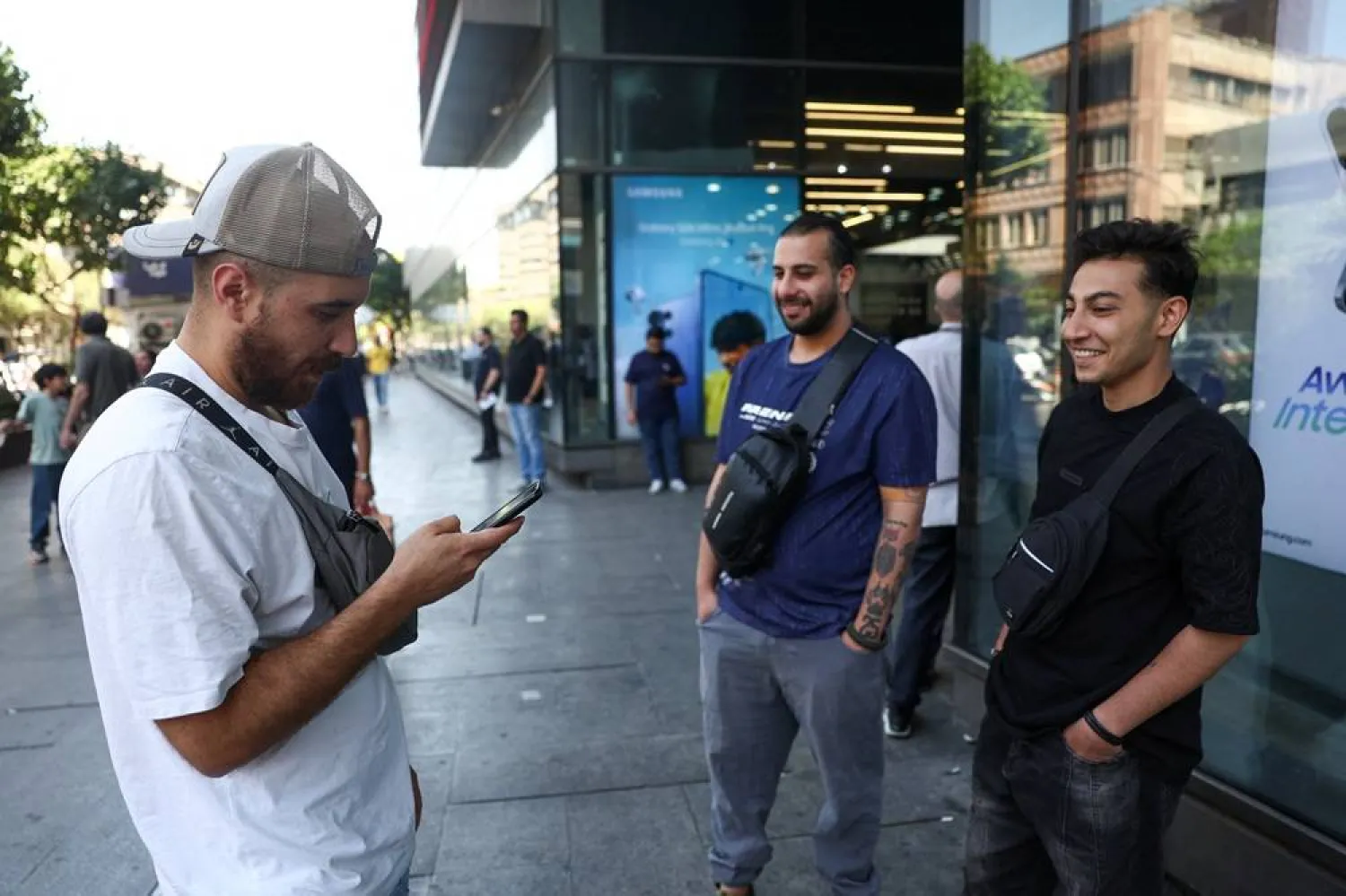
Millions of Iranians are gradually regaining access to the internet after enduring a prolonged nationwide shutdown that disrupted communication, business operations, and access to global online platforms. While connectivity has improved in several parts of the country, users and digital rights organizations say the restoration remains incomplete and heavily restricted.
The blackout, which lasted for weeks in many regions, significantly limited access to messaging services, social media platforms, and international websites. Citizens reported difficulties using apps such as WhatsApp, Instagram, Telegram, and X, with many relying on unstable virtual private networks (VPNs) to bypass state controls.
Although authorities have eased some restrictions, internet speeds remain inconsistent and filtering measures continue to affect daily online activity.
Government Maintains Tight Control Over Digital Platforms
Iran’s government has long maintained strict oversight of internet infrastructure, but the latest shutdown underscored how deeply authorities can control national connectivity during periods of political sensitivity and public unrest.
Even after services resumed, users continued reporting blocked websites, restricted app functionality, and aggressive filtering systems. Experts monitoring internet traffic noted that many international platforms remain inaccessible without circumvention tools.
Iranian officials have defended the restrictions by citing national security concerns and the need to combat misinformation, cyber threats, and foreign influence campaigns. However, critics argue that the measures are designed primarily to suppress dissent and limit the flow of independent information.
Digital rights advocates say the country’s internet model increasingly resembles a tightly monitored “national internet” system that can function separately from the wider global web.
Businesses and Workers Face Economic Fallout
The extended shutdown created major challenges for Iran’s digital economy, affecting freelancers, online sellers, startups, and technology companies that depend on stable internet connectivity.
Small businesses that operate through Instagram and messaging apps reportedly suffered significant revenue losses during the blackout period. Many entrepreneurs struggled to communicate with customers, process orders, or access payment systems.
Industry analysts say internet disruptions carry long-term economic consequences, particularly in countries where digital commerce has become essential for younger workers and independent professionals.
The restrictions also complicated access to remote work platforms, educational tools, and cloud-based services, impacting students and employees across multiple sectors.
VPN Usage Surges Amid Ongoing Restrictions
As internet limitations intensified, VPN adoption surged across Iran. Citizens turned to encrypted services and proxy networks to regain access to blocked websites and maintain communication with people outside the country.
However, authorities have simultaneously increased efforts to detect and block VPN traffic. Cybersecurity researchers observed repeated attempts to disrupt circumvention tools, making access unstable and unreliable for many users.
Technology experts say this ongoing battle reflects a broader global trend in which governments seek greater control over digital infrastructure while citizens search for alternative paths to unrestricted information.
The reliance on VPNs has also raised cybersecurity concerns, as users may unknowingly depend on insecure or malicious services during periods of restricted access.
Digital Rights Groups Raise Concerns Over Freedom of Expression
International human rights organizations and internet freedom advocates have criticized the shutdown and subsequent restrictions, arguing that limiting internet access undermines freedom of expression and access to information.
Groups monitoring global connectivity trends described the disruption as one of the region’s most significant recent internet control measures. They warned that prolonged shutdowns can isolate populations, restrict journalism, and hinder emergency communication.
Analysts say internet access is increasingly viewed not only as a technological service but also as a critical component of civic participation, economic resilience, and public transparency.
The latest developments in Iran have once again placed global attention on how governments balance national security concerns with digital freedoms in an increasingly connected world.
Iran’s Digital Future Remains Uncertain
While the return of internet access has provided some relief for ordinary citizens and businesses, uncertainty remains over how open Iran’s digital environment will become in the months ahead.
Authorities continue to promote domestic alternatives to foreign platforms and support policies aimed at strengthening state oversight of online activity. Observers believe future disruptions or tighter controls remain possible during politically sensitive moments.
For many Iranians, reconnecting to the internet has not meant a return to full digital freedom. Instead, it marks another phase in the country’s ongoing struggle between state control and open access to global communication networks.
As governments worldwide debate regulation, cybersecurity, and platform accountability, Iran’s recent shutdown serves as a stark example of how internet access can quickly become a central issue of political and social power.