 TECH TIMES NEWS
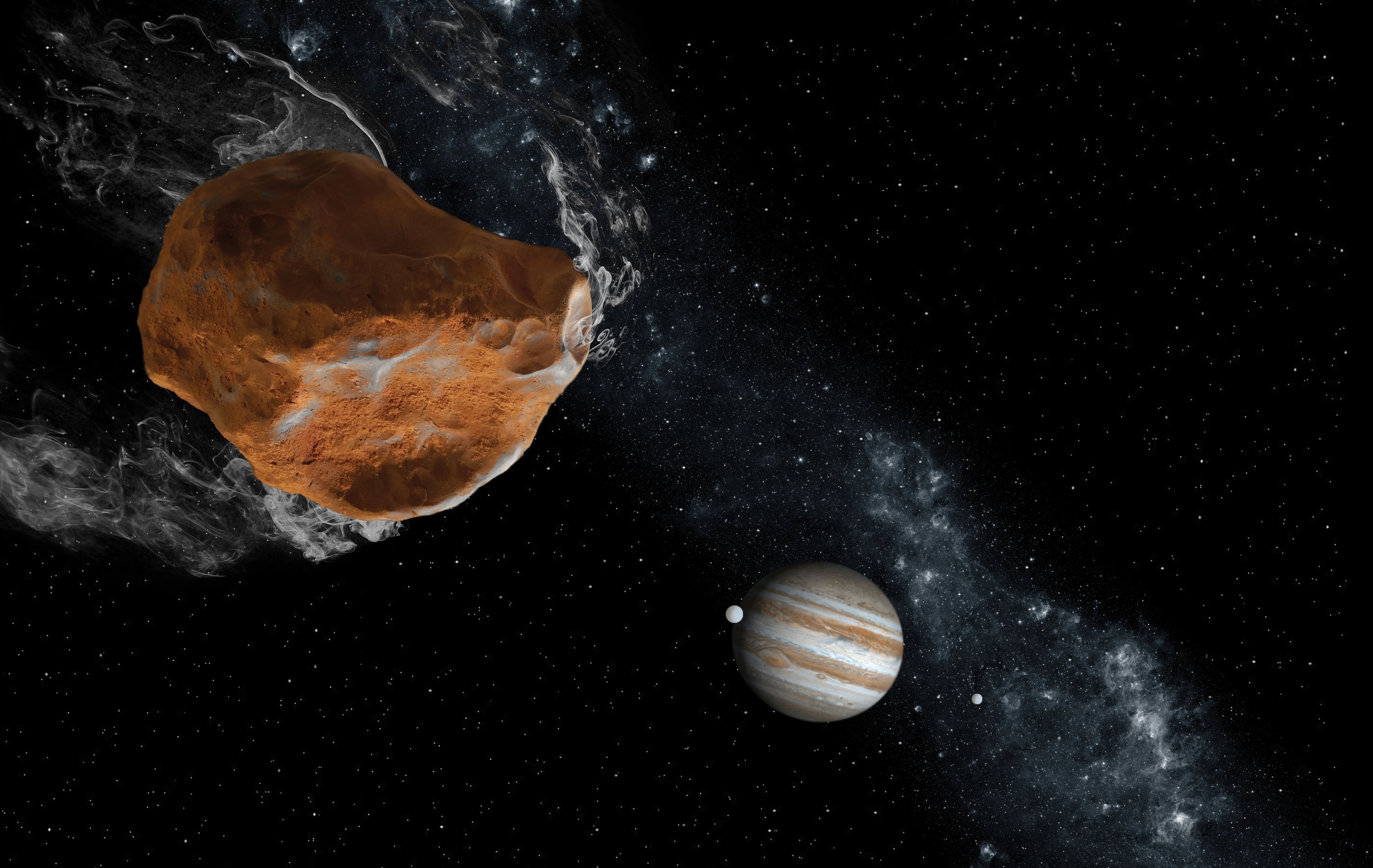
When we look up at the night sky, we often hear terms like asteroids, comets, meteors, and meteorites, but most people use them interchangeably. In reality, each refers to a very different object in space, with its own origin, behavior, and significance. Scientists study them not only to understand our solar system’s past but also to assess potential threats to Earth.
🪨 What Are Asteroids?
Asteroids are rocky objects that orbit the Sun, primarily found in the asteroid belt between Mars and Jupiter. They are remnants from the early solar system, never forming into a planet. Some are only a few meters wide, while others, like Ceres, are hundreds of kilometers in diameter. Unlike comets, asteroids don’t produce a glowing tail.
☄️ What Are Comets?
Comets are often called “dirty snowballs” because they are made of ice, dust, and rocky material. They typically originate from the Kuiper Belt or Oort Cloud. As they approach the Sun, the heat causes their ice to vaporize, forming a bright glowing coma and a spectacular tail that can stretch millions of kilometers. Famous comets like Halley’s Comet remind us of their periodic visits.
🌠 What Are Meteors?
A meteor is not an object in space, but rather the flash of light we see when a meteoroid (a small rock or particle from space) enters Earth’s atmosphere and burns up due to friction. This is what we popularly call a “shooting star.” Meteor showers, such as the Perseids and Leonids, occur when Earth passes through debris trails left by comets.
🪐 What Are Meteorites?
If a meteoroid survives its fiery journey through Earth’s atmosphere and lands on the ground, it is called a meteorite. These cosmic rocks give scientists valuable clues about the composition of asteroids and comets. Some meteorites contain organic molecules, sparking debates about the origins of life on Earth.
🌌 Why the Differences Matter
Understanding the difference between these celestial objects helps scientists monitor near-Earth objects (NEOs) that could pose a collision risk. It also provides insight into the formation of planets, water distribution, and the origins of organic materials.