 TECH TIMES NEWS
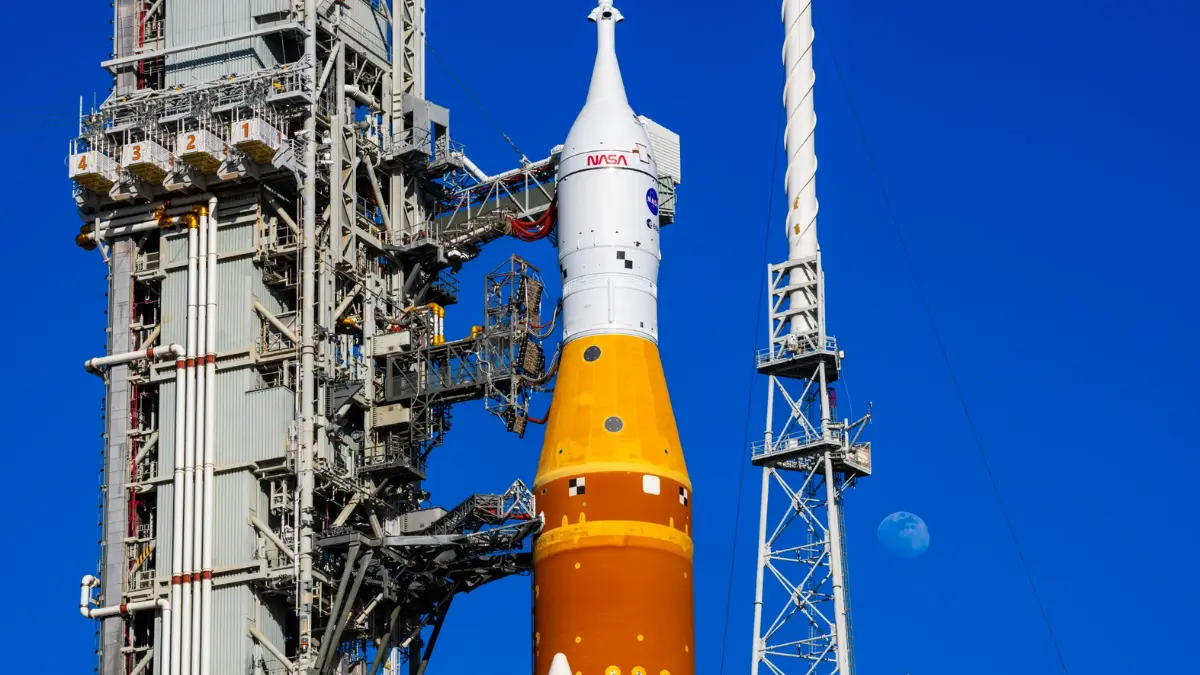
NASA has rolled the Artemis II Space Launch System (SLS) rocket back to the Vehicle Assembly Building at Kennedy Space Center after engineers identified an issue linked to the upper stage helium system during final preparations. The rollback was described as a precautionary step to allow deeper inspection and troubleshooting before proceeding toward launch readiness.
The upper stage, known as the Interim Cryogenic Propulsion Stage (ICPS), uses helium to pressurize propellant tanks and maintain proper fuel flow during flight. Any irregularities in this system can affect mission performance and safety, prompting immediate evaluation.
Safety Protocols Working as Designed
NASA officials stressed that the decision reflects the agency’s strict safety-first approach, particularly as Artemis II will carry astronauts around the Moon for the first time since Apollo 17 in 1972. Engineers detected data irregularities during routine checks, leading to a halt in launch processing.
By rolling the rocket back indoors, teams gain better access to the upper stage hardware and associated systems. This environment allows for controlled inspections, potential component replacements, and additional system tests.
Impact on Artemis II Timeline
While NASA has not confirmed a new launch date, the rollback could shift the mission schedule depending on the complexity of repairs or modifications required. Artemis II was positioned as a major milestone in the broader Artemis program, which aims to return humans to the lunar surface and establish a sustainable presence there.
Delays in space missions are not uncommon, especially for crewed flights where system reliability is critical. NASA has repeatedly emphasized that it will not proceed until all technical concerns are fully resolved.
Mission Overview: A Historic Crewed Lunar Flyby
Artemis II will send four astronauts aboard the Orion spacecraft on a multi-day journey around the Moon. Unlike Artemis I — which was an uncrewed test flight — this mission will evaluate life-support systems, navigation, and overall crew operations in deep space.
The SLS rocket remains the most powerful launch vehicle NASA has developed. Its upper stage plays a crucial role in pushing Orion beyond Earth orbit toward the Moon.
Artemis Program’s Long-Term Vision
The Artemis program aims to land astronauts near the lunar south pole in upcoming missions, including Artemis III. NASA is also working with international and commercial partners to build the Lunar Gateway space station and advance deep-space exploration technologies.
Despite the temporary setback, agency officials maintain confidence in the mission’s technical foundation. The rollback, they say, demonstrates that monitoring systems are functioning properly and that potential issues are being addressed before liftoff.
As inspections continue, NASA will provide updates on corrective actions and a revised launch timeline for Artemis II, marking another careful step toward humanity’s return to the Moon.