 TECH TIMES NEWS
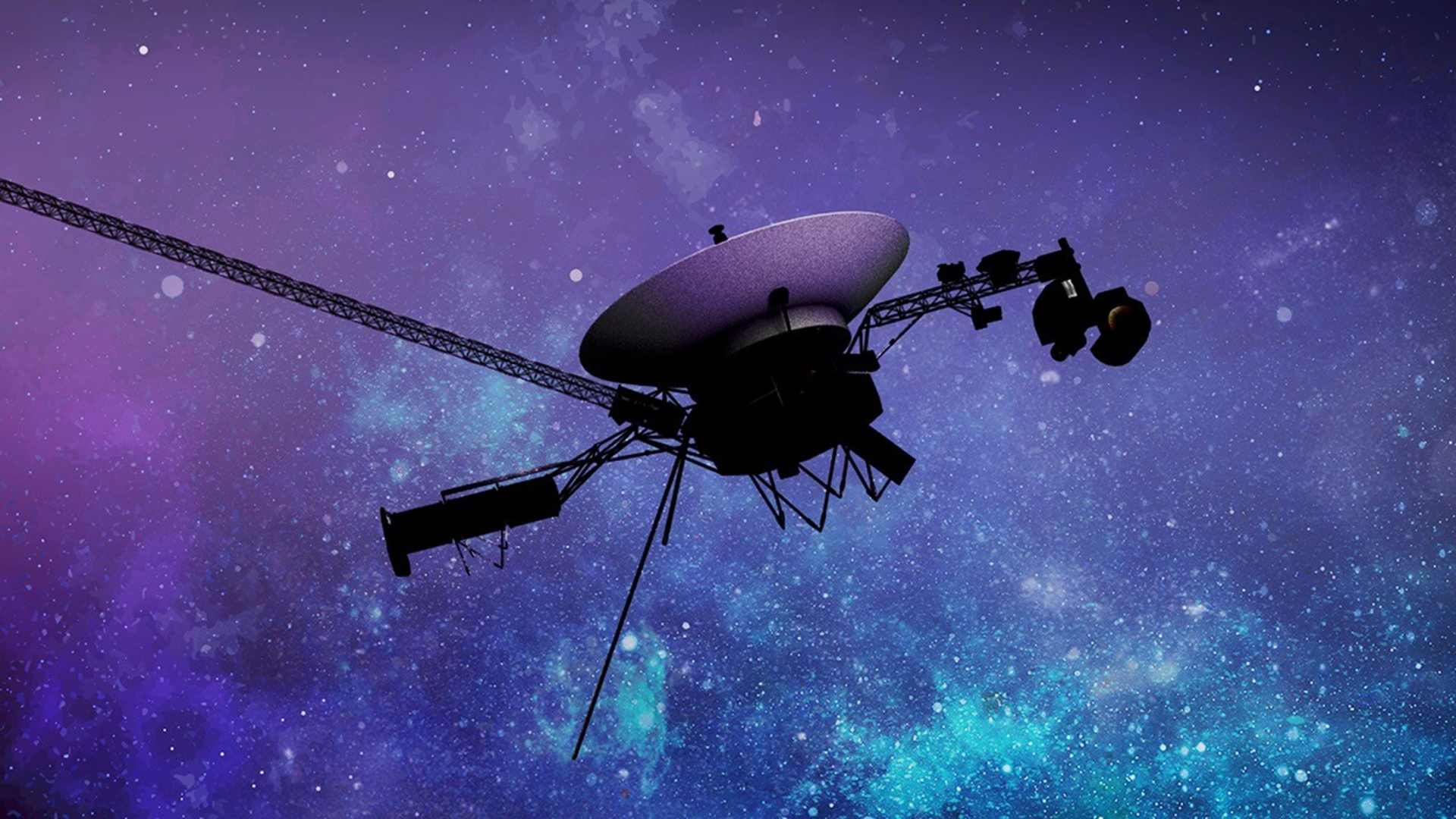
NASA has taken a calculated step to extend the life of Voyager 1, the most distant human-made object in space, by shutting down one of its onboard scientific instruments. The decision is part of an ongoing effort to conserve the spacecraft’s dwindling power supply, ensuring it can continue transmitting valuable data from interstellar space for as long as possible.
Launched in 1977, Voyager 1 has far exceeded its original mission timeline. Nearly five decades later, it continues to operate in a region far beyond the influence of the Sun, offering rare insights into the interstellar medium. However, sustaining such an aging spacecraft comes with significant technical challenges.
Why NASA Is Turning Off Instruments
Voyager 1 relies on a radioisotope thermoelectric generator (RTG), which produces electricity from the heat generated by decaying plutonium. Over time, this power source naturally weakens. Each year, the spacecraft loses roughly 4 watts of power, forcing engineers to make tough decisions about which systems to keep running.
By shutting down a non-essential or lower-priority instrument, NASA can redirect power to critical systems such as communication, navigation, and the remaining science payload. This ensures that Voyager 1 can continue sending data back to Earth, even as its energy reserves decline.
Which Instrument Was Affected and Why It Matters
The instrument powered down is part of Voyager 1’s suite designed to study cosmic rays, magnetic fields, and plasma conditions in space. While each instrument has contributed significantly to our understanding of space, mission engineers prioritize those that deliver the most unique and scientifically valuable data under current conditions.
As Voyager 1 is now in interstellar space, certain instruments have either completed their primary objectives or provide overlapping data. Turning one off does not end the mission’s scientific value; instead, it refines the focus on the most critical measurements.
Operating in Interstellar Space: A Rare Scientific Opportunity
Voyager 1 crossed the heliopause—the boundary where the Sun’s influence ends and interstellar space begins—in 2012. Since then, it has been studying a region no other spacecraft has reached.
The data collected includes measurements of cosmic radiation, plasma density, and magnetic fields outside our solar system. These observations help scientists understand how the Sun interacts with the galaxy and provide clues about conditions in distant star systems.
Keeping Voyager 1 operational, even with reduced instruments, means extending humanity’s only direct experiment in interstellar space.
Engineering Challenges of a 47-Year-Old Spacecraft
Maintaining Voyager 1 is a feat of engineering ingenuity. The spacecraft’s hardware and software were designed in the 1970s, long before modern computing standards. Engineers today often work with limited documentation and outdated programming systems to troubleshoot and adapt the spacecraft.
Communication is another challenge. Signals from Voyager 1 take over 22 hours to reach Earth, making real-time control impossible. Every command must be carefully planned and executed with precision.
Despite these constraints, NASA has repeatedly found ways to extend the mission—sometimes by reactivating dormant systems or rewriting decades-old code.
What This Means for the Future of the Mission
With each instrument shutdown, Voyager 1 moves closer to the end of its operational life. Current estimates suggest that the spacecraft may continue sending limited data into the early 2030s, depending on how efficiently power is managed.
NASA’s strategy reflects a broader approach to long-duration missions: prioritize core objectives, adapt to aging hardware, and extract maximum scientific value from limited resources.
The Legacy of Voyager 1
Voyager 1 is more than a spacecraft—it is a symbol of human curiosity and engineering excellence. From its iconic images of the outer planets to its ongoing journey through interstellar space, the mission has redefined our understanding of the cosmos.
Even as instruments are gradually turned off, Voyager 1 continues to push the boundaries of exploration. Each additional day of operation represents another milestone in one of the most successful missions in space history.
Bottom Line
NASA’s decision to shut down an instrument on Voyager 1 is not a setback—it is a strategic move to extend the spacecraft’s life and preserve its most valuable capabilities. As power levels decline, careful management will determine how long humanity’s farthest explorer can continue its journey.