 TECH TIMES NEWS
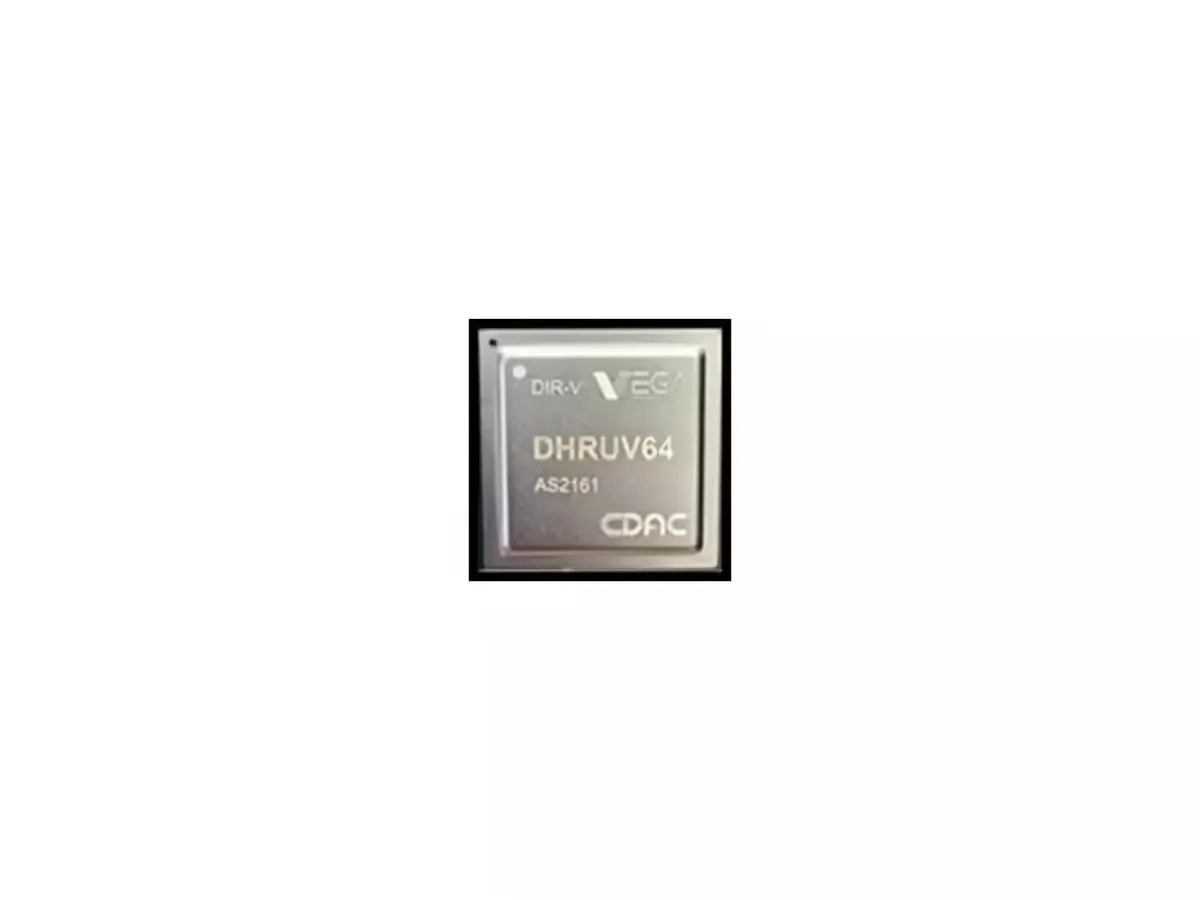
India’s long-standing ambition to reduce dependence on foreign semiconductor technology has taken a notable step forward with DHRUV64, an indigenous 64-bit microprocessor developed under the government-backed DIR-V (Digital India RISC-V) initiative. Positioned as a strategic technology asset, DHRUV64 is aimed at strengthening domestic capabilities in secure computing, embedded systems, and critical infrastructure.
What Exactly Is DHRUV64?
DHRUV64 is a 64-bit general-purpose microprocessor designed in India, based on the open-source RISC-V instruction set architecture (ISA). Unlike proprietary chip architectures that require licensing from foreign companies, RISC-V allows nations and organizations to design processors without royalty obligations, making it ideal for sovereign technology development.
The processor is not a consumer-focused CPU like those used in smartphones or laptops. Instead, it targets embedded, industrial, and strategic applications, where reliability, security, and long-term availability matter more than raw performance benchmarks.
Who Developed DHRUV64?
The processor has been developed by the Centre for Development of Advanced Computing (C-DAC), operating under the Ministry of Electronics and Information Technology (MeitY). The project is part of a broader national roadmap that includes earlier indigenous processors such as SHAKTI and VEGA, collectively forming India’s evolving processor ecosystem.
Key Technical Highlights
DHRUV64 brings several important capabilities to the table:
-
64-bit architecture, enabling support for modern operating systems
-
RISC-V based design, offering flexibility and transparency
-
Focus on security features, crucial for sensitive deployments
-
Optimised for embedded and control systems, not consumer PCs
-
Designed for long lifecycle usage, reducing reliance on foreign updates
While it may not compete with global CPUs in terms of clock speeds or core counts, DHRUV64 is engineered for predictability and trust, which are vital in government and defence environments.
Why DHRUV64 Matters Strategically
The significance of DHRUV64 goes beyond silicon. In an era of geopolitical tech restrictions and supply chain uncertainties, having a domestically designed processor helps India:
-
Reduce exposure to export controls and sanctions
-
Improve cybersecurity through design-level transparency
-
Enable customisation for defence and public sector use
-
Build a skilled domestic chip design ecosystem
It also aligns with India’s broader Semicon India and Make in India initiatives, which aim to strengthen both chip manufacturing and design expertise.
Where Can DHRUV64 Be Used?
DHRUV64 is expected to find applications in areas such as:
-
Defence electronics and secure communication systems
-
Industrial automation and power infrastructure
-
Government data centres and secure servers
-
Embedded systems in transportation and smart cities
These use cases prioritise control, auditability, and long-term support, areas where indigenous processors have a clear advantage.
Challenges Ahead
Despite its promise, DHRUV64 faces hurdles. India still lacks large-scale advanced semiconductor fabrication facilities, meaning manufacturing may rely on overseas fabs. Additionally, building a strong software ecosystem around a new processor takes time, including compiler optimisation, OS support, and developer adoption.
However, experts view DHRUV64 as a foundational step, not a finished product.
The Bigger Picture
DHRUV64 represents a shift in India’s approach to computing—from being a technology consumer to becoming a technology architect. While it may not power everyday consumer devices anytime soon, its real value lies in strategic independence, knowledge creation, and long-term digital sovereignty.