 TECH TIMES NEWS
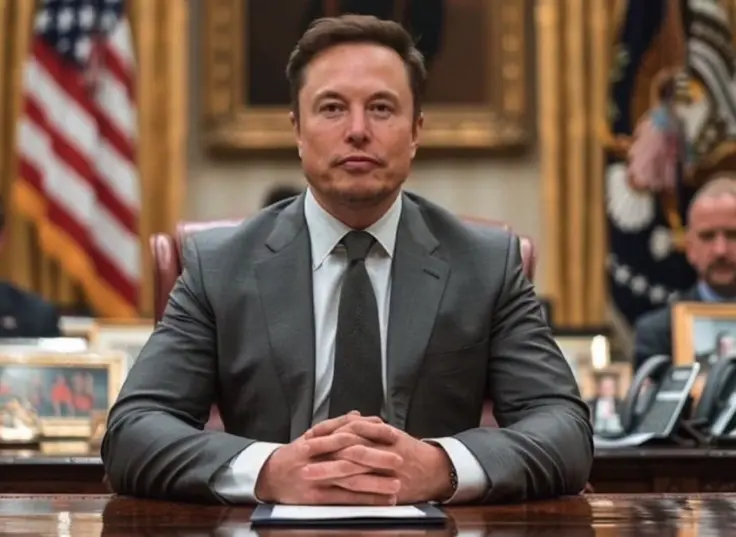
Elon Musk’s courtroom battle with OpenAI is more than just a corporate dispute—it’s a confrontation over the philosophical and structural future of artificial intelligence. Musk, who co-founded OpenAI in 2015 before parting ways in 2018, has long criticized the organization’s shift from a nonprofit model to a “capped-profit” structure.
At the heart of the case is Musk’s claim that OpenAI deviated from its founding mission: to develop artificial general intelligence (AGI) for the benefit of humanity, not for corporate gain. The lawsuit alleges that the company’s deep ties with Microsoft and its increasing commercialization contradict that original vision.
The Core Allegations: Mission Drift and Control
Musk’s legal argument focuses on what he describes as a breach of trust. According to filings, OpenAI’s transition toward profit-driven operations—especially its multibillion-dollar partnership with Microsoft—has effectively placed advanced AI technologies under the influence of a single corporate entity.
This raises a key concern: if AGI becomes reality, who controls it? Musk’s position suggests that concentrated power in the hands of a few corporations could pose risks not just to competition, but to global safety and governance.
OpenAI, on the other hand, has defended its structure, arguing that massive capital requirements make commercialization necessary. Training cutting-edge AI systems now demands billions in compute infrastructure, making a purely nonprofit approach increasingly impractical.
Microsoft’s Role Adds Strategic Complexity
While Microsoft is not the central defendant, its involvement looms large over the case. The tech giant has invested heavily in OpenAI and integrated its models across products like Azure, Office, and developer tools.
From a strategic standpoint, this partnership has accelerated AI deployment globally—but it also strengthens Musk’s argument about centralized influence. Critics argue that such alliances blur the line between independent research and corporate control, especially when proprietary models become deeply embedded in enterprise ecosystems.
Why This Case Matters Beyond Musk and OpenAI
This lawsuit isn’t just about past agreements—it’s about setting precedents. If the court sides with Musk, it could force stricter interpretations of nonprofit-to-profit transitions in tech organizations. It may also trigger increased regulatory scrutiny on AI companies worldwide.
On the other hand, a ruling in favor of OpenAI could validate hybrid models that balance mission-driven goals with commercial funding. That outcome would likely encourage more startups to adopt similar structures, accelerating innovation but raising fresh ethical questions.
Expert Insight: The Bigger AI Governance Question
Industry experts see this case as a proxy battle for AI governance. The central tension lies between idealism and scalability:
- Idealism demands open access, transparency, and shared benefits.
- Scalability requires capital, infrastructure, and competitive advantage.
Balancing these forces has proven difficult. OpenAI’s evolution reflects a broader industry trend where research labs transform into commercial powerhouses to stay competitive. Musk’s challenge forces the industry to confront whether that transformation compromises foundational principles.
What Comes Next
The legal proceedings are expected to unfold over months, potentially longer, with significant implications for contracts, governance models, and investor relationships in AI firms.
For now, one thing is clear: this courtroom showdown is not just about who wins—it’s about defining the rules of the AI era. Whether AI remains an open, globally shared resource or becomes tightly controlled by a few dominant players may depend, in part, on how this case is resolved.
Key Takeaway for Readers
This isn’t just a dispute between a billionaire and a tech company. It’s a critical moment that could reshape how artificial intelligence is developed, funded, and controlled. As AI becomes more powerful, the question is no longer just what it can do—but who gets to decide how it’s used.