 TECH TIMES NEWS
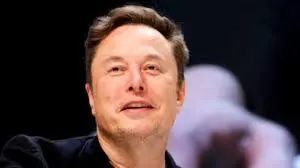
France has formally summoned Elon Musk as part of an ongoing investigation into X, the social media platform formerly known as Twitter. The move signals a significant escalation in scrutiny, as European regulators tighten their grip on how global tech companies operate within the region.
While authorities have not publicly disclosed every detail of the probe, the focus is widely understood to include concerns around content moderation, misinformation, and compliance with the European Union’s Digital Services Act (DSA). The law, which came into force to hold large platforms accountable, requires companies like X to actively manage harmful content and maintain transparency in their operations.
Why France Is Taking Action
France has positioned itself as one of the more assertive regulators within the EU when it comes to digital governance. By summoning Musk, officials are signaling that leadership accountability matters—not just corporate compliance on paper.
At the core of the investigation are questions such as:
- Whether X is effectively tackling illegal or harmful content
- How transparent the platform is about its algorithms and moderation policies
- Whether recent changes under Musk’s leadership have weakened safeguards
Since Musk’s takeover, X has undergone sweeping changes, including workforce reductions and a shift toward more permissive speech policies. Critics argue that these changes may have increased the spread of misinformation, while supporters claim they restore free expression.
The Digital Services Act: A Game Changer
The probe cannot be understood without looking at the broader regulatory backdrop. The EU’s Digital Services Act represents one of the most comprehensive attempts globally to regulate online platforms.
Under the DSA, companies categorized as “Very Large Online Platforms” (VLOPs), including X, must:
- Assess and mitigate systemic risks such as misinformation
- Provide transparency reports on content moderation
- Allow independent audits
- Offer users more control over algorithms and data
Failure to comply can result in hefty fines—up to 6% of global annual revenue—and, in extreme cases, restrictions on operating within the EU.
France’s move suggests regulators are now shifting from policy-making to active enforcement.
Expert Insight: A Turning Point for Platform Accountability
Industry analysts see this development as part of a broader trend where governments are no longer willing to rely on voluntary compliance from tech giants.
“Summoning a CEO directly is not just symbolic—it’s a signal that regulators want accountability at the highest level,” say digital policy experts. “This could redefine how leadership responsibility is viewed in global tech firms.”
There is also a geopolitical angle. Europe has been leading the charge on tech regulation, often setting standards that influence policies worldwide. If France takes a hard stance, it could encourage similar actions in other jurisdictions.
What This Means for Elon Musk and X
For Musk, the stakes are both legal and reputational. X is already navigating a challenging landscape marked by advertiser concerns, platform changes, and competitive pressure from emerging social platforms.
Potential outcomes of the probe include:
- Financial penalties if violations are confirmed
- Mandatory operational changes within X
- Increased oversight from EU regulators
- Broader scrutiny from other countries
More importantly, the case could shape how Musk balances his vision of “free speech” with regulatory realities in international markets.
The Bigger Picture: A New Era of Tech Regulation
France’s action reflects a larger shift in how governments interact with Big Tech. The era of rapid expansion with minimal oversight is giving way to stricter rules, enforcement mechanisms, and accountability frameworks.
For users, this could mean safer online environments and greater transparency. For companies, it signals a future where compliance is not optional—and leadership decisions are closely watched.
Key Takeaway
France summoning Elon Musk over the X probe is more than a legal development—it’s a clear indicator that global tech platforms are entering a new phase of regulation. As enforcement of laws like the Digital Services Act intensifies, the outcome of this case could set a precedent for how social media companies operate not just in Europe, but worldwide.