 TECH TIMES NEWS
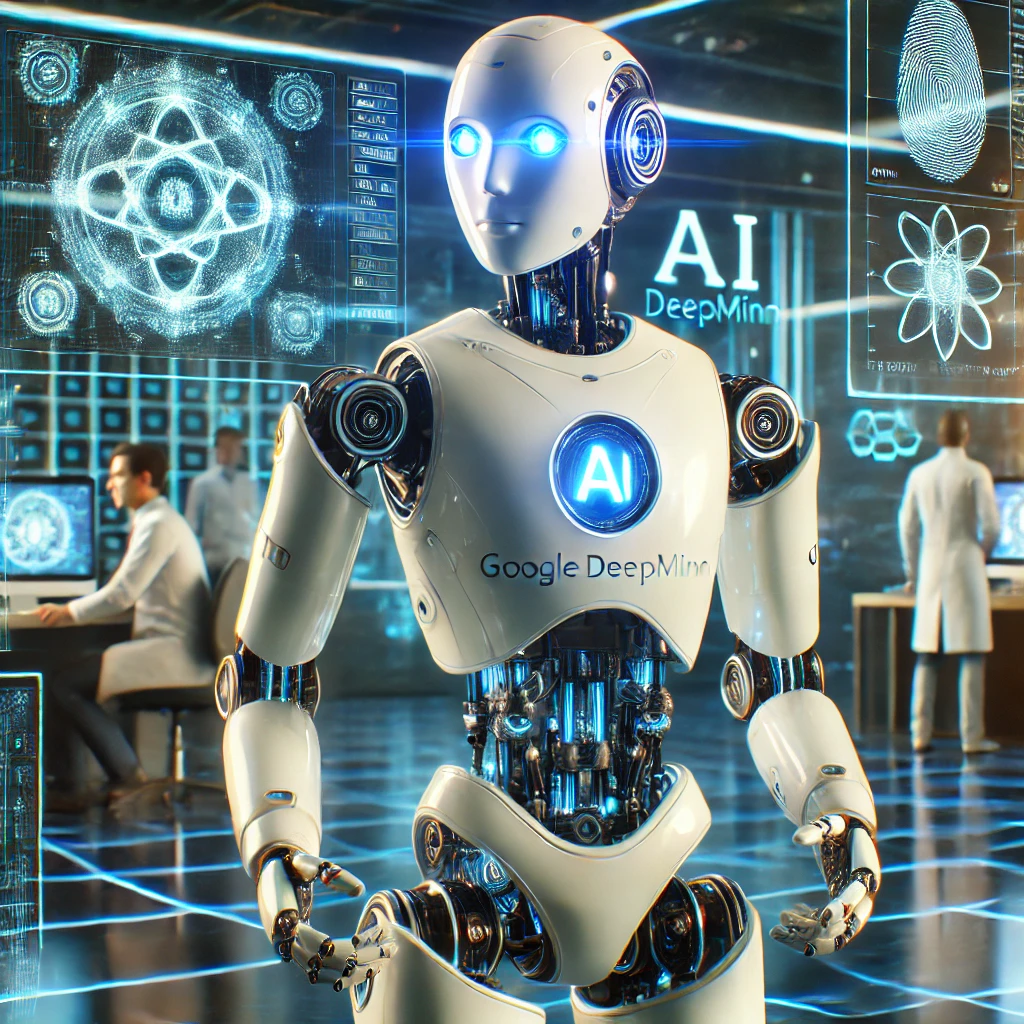
In a groundbreaking development, Google DeepMind has unveiled its latest artificial intelligence (AI) models designed to power humanoid robots, marking a significant leap in robotics and automation. These advancements aim to enhance robots' ability to understand and interact with the physical world, bridging the gap between AI and real-world applications.
Revolutionizing Robotics with AI
The newly introduced AI models, including the Robotic Transformer 2 (RT-2), integrate cutting-edge machine learning techniques to enable robots to perform complex tasks with greater autonomy. By leveraging large-scale datasets from the web, these models allow robots to process and interpret human language, images, and actions, facilitating more natural and intuitive interactions.
According to Google DeepMind, the AI models are designed to help robots adapt to new environments without requiring extensive reprogramming. This means that robots equipped with these models can learn tasks dynamically, such as recognizing household objects, sorting items, or even assisting in routine office work.
AI Meets Physical Automation
Unlike traditional robotic systems that rely on pre-programmed instructions, Google’s AI-powered robots can generalize knowledge across different domains. For instance, if an AI model learns how to pick up a cup from an image dataset, it can apply that understanding to a real-world scenario with minimal additional training. This ability, known as vision-language-action learning, is a crucial step toward creating more versatile and adaptive robotic assistants.
Brian Ichter, a researcher at Google DeepMind, emphasized the significance of this development: “By integrating advanced AI with robotics, we are pushing the boundaries of what machines can do in everyday environments. The goal is to create helpful, safe, and intelligent robotic assistants that can improve people's lives.”
Potential Applications and Future Impact
The introduction of these AI models opens up new possibilities across various industries. In healthcare, humanoid robots could assist in patient care by performing simple tasks such as delivering medication. In manufacturing, they could enhance automation by handling materials more efficiently. In households, they may eventually aid in cleaning, cooking, and organizing spaces.
However, challenges remain in refining these models to ensure safety, reliability, and ethical AI deployment. Experts highlight the importance of rigorous testing and regulatory oversight to prevent unintended consequences, such as bias in decision-making or security vulnerabilities.
The Road Ahead
Google’s latest AI-powered robotics initiative aligns with the broader trend of integrating artificial intelligence into real-world applications. While fully autonomous humanoid robots may still be years away from widespread adoption, the advancements made by Google DeepMind signal a promising future where AI-driven robotics could become an integral part of daily life.
As the field of AI and robotics continues to evolve, questions remain about how these technologies will shape the workforce, human-robot interactions, and ethical considerations surrounding their deployment. Nonetheless, with continued research and development, the vision of intelligent robotic assistants is closer than ever to becoming a reality.
For now, all eyes are on Google and other tech giants leading the charge in this rapidly growing domain, as they strive to transform science fiction into everyday convenience.