 TECH TIMES NEWS
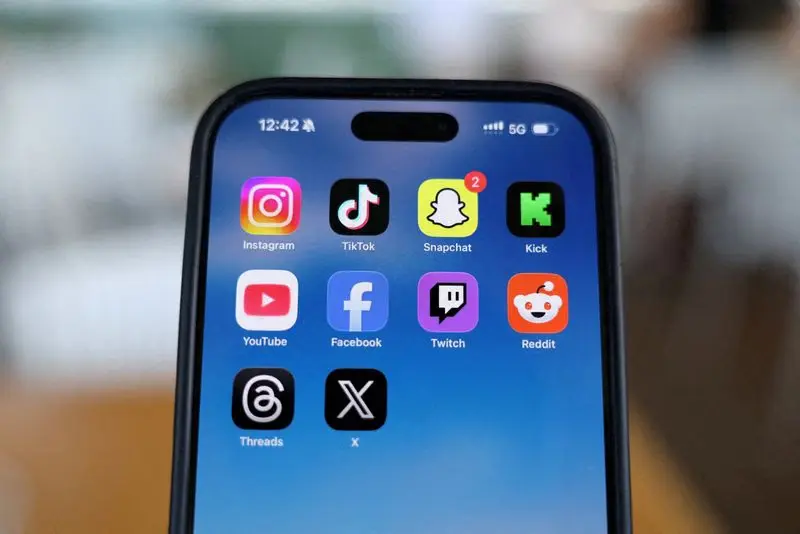
Greece is preparing to introduce a sweeping restriction on social media access for children under the age of 15, with Prime Minister Kyriakos Mitsotakis confirming that the policy is expected to come into force by 2027. The move reflects growing concern among governments worldwide over the psychological and developmental impact of social media on younger users.
The proposed regulation aims to limit early exposure to algorithm-driven platforms such as Instagram, TikTok, and Snapchat—apps that critics argue are engineered to maximize engagement, often at the expense of user wellbeing.
Why Greece Is Taking This Step
The Greek government’s decision is rooted in mounting evidence linking excessive social media use among minors to issues such as anxiety, depression, sleep disruption, and reduced attention span. Studies from European health bodies and global research institutions have consistently flagged the risks associated with prolonged screen time and online validation loops.
Officials believe that delaying access to these platforms until at least age 15 could help children develop healthier digital habits and stronger offline social skills.
How the Ban May Be Enforced
While detailed implementation guidelines are still under development, early indications suggest that Greece may require stricter age verification systems from social media companies. This could include:
- Mandatory ID-based verification
- Parental consent frameworks
- Platform-level restrictions for underage accounts
However, enforcement remains a complex challenge. Tech experts point out that age-gating mechanisms are often easy to bypass, raising questions about the practical effectiveness of the policy.
Part of a Broader European Trend
Greece’s proposal aligns with a wider regulatory push across Europe to rein in Big Tech and protect younger audiences. Countries like France and the UK have already introduced or proposed stricter rules around minors’ online access, including parental controls and age verification laws.
At the EU level, the Digital Services Act (DSA) is also pushing platforms toward greater accountability, particularly in how they handle data, algorithms, and child safety.
Tech Industry Reaction and Concerns
Social media companies are likely to face increased pressure to redesign parts of their platforms to comply with such regulations. Industry stakeholders have historically resisted blanket bans, arguing that:
- Social platforms can offer educational and creative benefits
- Enforcement could raise privacy concerns
- Blanket restrictions may push children toward unregulated or underground platforms
There is also concern that rigid policies could create friction between governments and tech firms, particularly around data sharing and compliance costs.
What This Means for Parents and Users
For parents, the proposed ban could provide a regulatory safety net, reducing the burden of monitoring children’s online activity. However, it may also require more active involvement in managing digital access and verifying age credentials.
For young users, the policy could reshape how and when they engage with online communities. It may also drive increased demand for child-friendly platforms or alternative digital ecosystems tailored to younger audiences.
The Bigger Picture: Balancing Safety and Access
Greece’s planned ban highlights a broader global dilemma: how to protect children in an increasingly digital world without limiting access to information, creativity, and communication tools. While the intent is clear—prioritizing mental health and safety—the effectiveness of such measures will depend heavily on execution and cooperation between governments, tech companies, and families.