 TECH TIMES NEWS
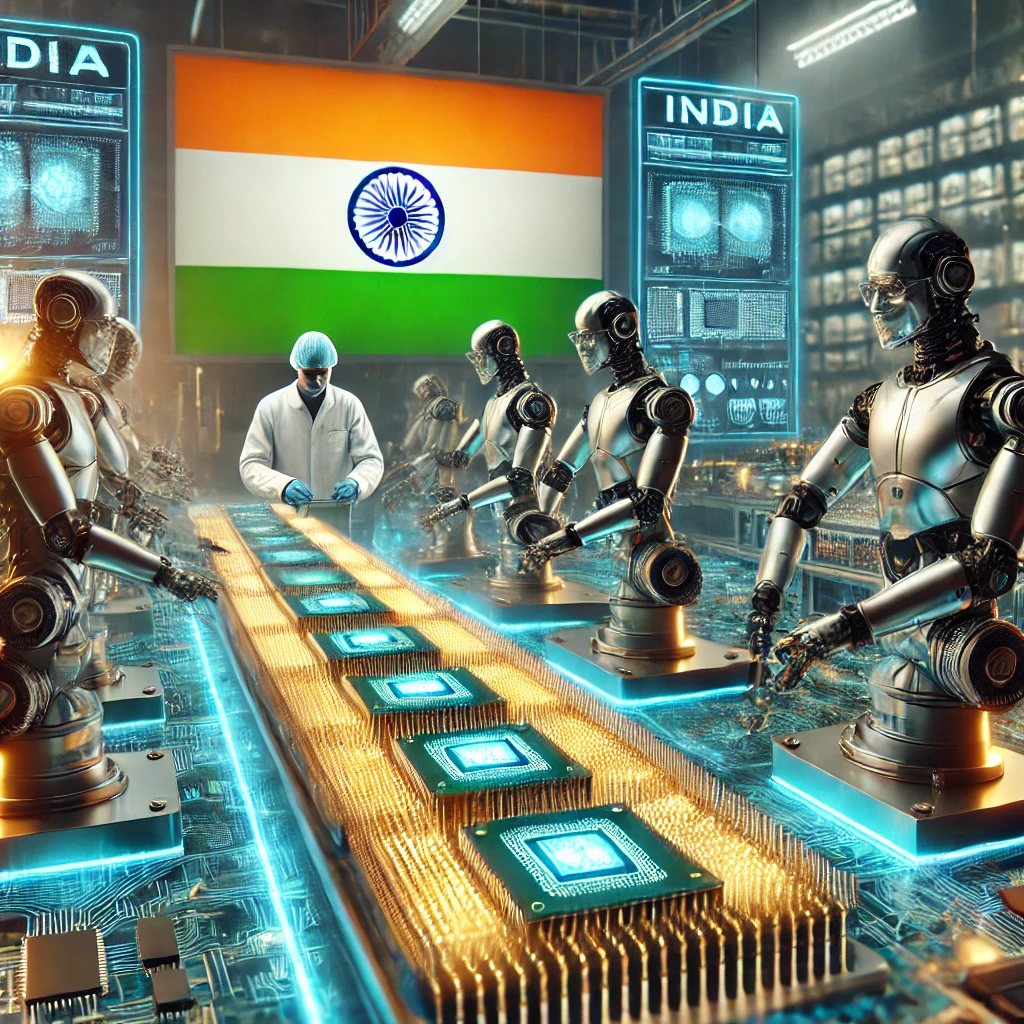
As India's semiconductor imports continue to surge to meet the demands of its growing technology and electronics sector, the government is accelerating efforts to boost domestic chip manufacturing. With global supply chain disruptions and increasing reliance on foreign-made chips, India is prioritizing self-sufficiency in semiconductor production to support industries ranging from consumer electronics to automobiles and telecommunications.
Rising Semiconductor Imports and Supply Chain Concerns
India currently imports a significant portion of its semiconductor needs, primarily from Taiwan, China, South Korea, and the United States. The growing demand for chips—driven by advancements in artificial intelligence, 5G, and automotive electronics—has led to an increase in imports, raising concerns about long-term supply security and economic dependence on foreign suppliers.
In 2024 alone, India's semiconductor imports reportedly crossed $30 billion, marking a sharp increase from previous years. The government sees this as an urgent reason to expand domestic semiconductor fabrication capabilities.
India’s Push for Domestic Semiconductor Manufacturing
To reduce import dependency, the Indian government has been actively promoting local semiconductor production through its Semicon India Program. Under this initiative, the government has announced incentives worth billions of dollars to attract global and domestic players to set up chip fabrication plants (fabs) and semiconductor assembly facilities in the country.
Some key developments include:
-
Major Investments: Companies such as Tata Electronics, Vedanta-Foxconn, and ISMC (International Semiconductor Consortium) have committed to setting up semiconductor fabs in India.
-
Strategic Partnerships: India has been in talks with leading semiconductor firms like TSMC, Intel, and Samsung to facilitate technology transfers and joint ventures.
-
Policy Support: The government has introduced production-linked incentives (PLI) and design-linked incentives (DLI) to encourage semiconductor manufacturing and chip design within the country.
Challenges in India’s Semiconductor Ambitions
Despite the strong push, several challenges remain:
-
Infrastructure & Skilled Workforce: Building semiconductor fabs requires advanced infrastructure, steady power supply, and a highly skilled workforce.
-
High Initial Investment: Semiconductor manufacturing is capital-intensive, requiring billions of dollars in investment and long-term planning.
-
Technological Expertise: India is still developing expertise in chip fabrication, as global leaders like TSMC and Intel dominate cutting-edge semiconductor manufacturing.
The Road Ahead
India’s commitment to domestic semiconductor production is expected to reshape its position in the global technology landscape. By reducing dependence on imports and fostering homegrown chip manufacturing, the country aims to enhance its economic resilience and technological sovereignty.
As global semiconductor demand continues to rise, India’s success in this sector will depend on its ability to attract investments, develop a skilled workforce, and establish a strong ecosystem for chip fabrication and innovation. With continued government backing and industry collaboration, India could emerge as a key player in the global semiconductor supply chain in the coming years.