 TECH TIMES NEWS
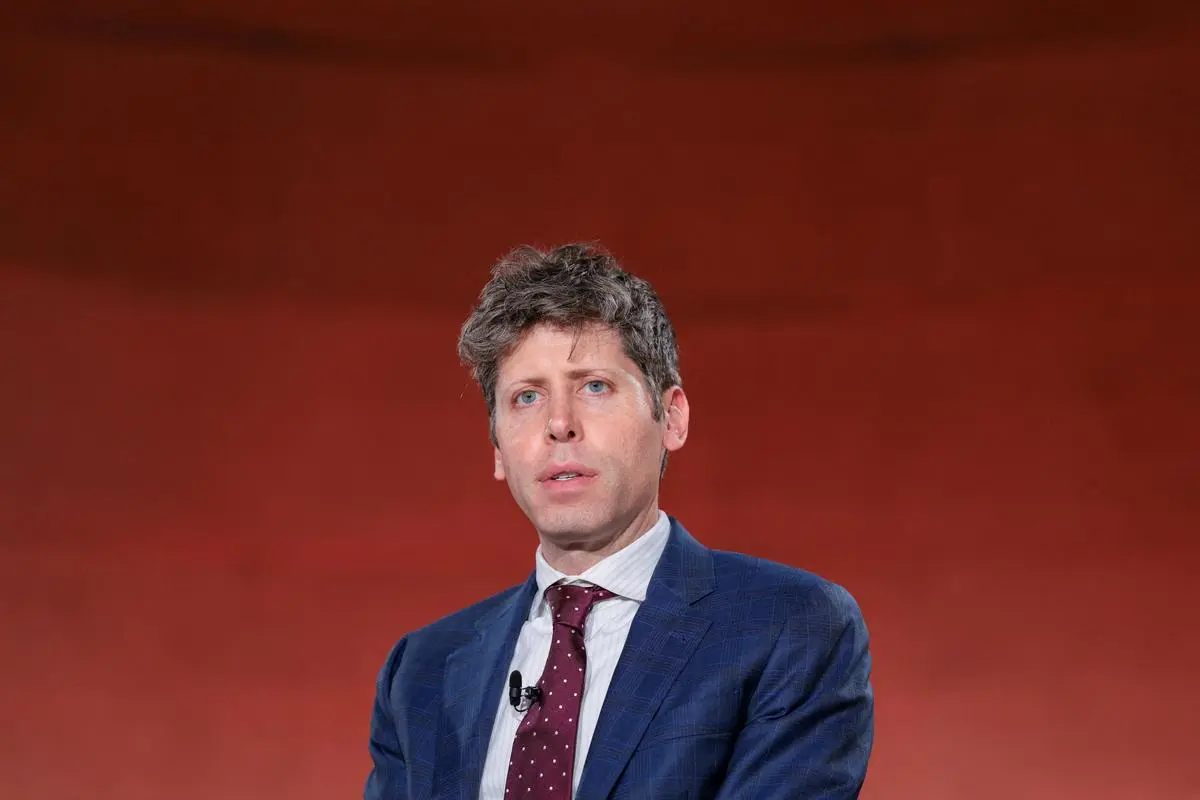
Authorities in California have arrested a man following an alleged Molotov cocktail attack targeting the residence of OpenAI’s CEO. According to initial reports from law enforcement, the suspect attempted to ignite a fire using an improvised incendiary device late at night. Emergency responders were quickly dispatched to the scene, and the situation was contained before significant damage or injuries occurred.
Officials confirmed that the CEO and family members were not harmed during the incident. The suspect was apprehended shortly afterward and is currently in custody pending further investigation.
Law Enforcement Response and Investigation
Local police and fire departments acted swiftly, preventing what could have escalated into a more dangerous situation. Investigators are now working to determine the motive behind the attack, examining whether it was a targeted act driven by personal grievance, ideological reasons, or broader anti-tech sentiment.
Preliminary findings suggest the attack was deliberate rather than random. Authorities are also reviewing surveillance footage, digital activity, and any prior threats that may be connected to the suspect.
Rising Security Concerns in the AI Era
This incident comes at a time when leaders in artificial intelligence are under increasing public scrutiny. As AI technologies rapidly reshape industries—from employment to privacy—executives at the forefront are becoming more visible and, in some cases, more vulnerable.
Security experts note that high-profile tech figures have historically faced threats during periods of disruptive innovation. The rise of AI has amplified public debate, sometimes spilling into hostility both online and offline.
“When technology moves faster than public understanding, it often creates tension. Unfortunately, that can manifest in unpredictable ways,” said a security analyst familiar with executive protection trends.
Context: AI, Public Pressure, and Polarization
OpenAI, as one of the leading organizations in artificial intelligence, has been central to global discussions around regulation, ethics, and economic disruption. Concerns about job displacement, misinformation, and AI safety have intensified over the past year.
While most criticism remains within policy and academic circles, isolated incidents like this highlight how technological anxiety can occasionally escalate into real-world actions.
It’s important to note, however, that such events remain rare and do not represent the broader public response to AI development.
Executive Protection in Silicon Valley
The attack is likely to prompt renewed focus on security measures for tech leaders. In recent years, companies have increased investments in:
- Residential security systems
- Personal protection teams
- Threat monitoring and intelligence
- Cybersecurity tied to physical safety
Experts suggest that AI executives may now face risk profiles similar to those of political figures or major corporate leaders, especially as their influence expands globally.
What This Means Going Forward
While the immediate threat has been contained, the incident underscores a deeper challenge: balancing rapid technological progress with public trust and safety. For companies like OpenAI, the path forward involves not only innovation but also transparent communication and responsible deployment of AI systems.
For the broader tech ecosystem, it’s a reminder that leadership in transformative technologies comes with new kinds of exposure—both digital and physical.
Bottom Line
The attempted attack on OpenAI’s CEO’s home is a stark but isolated event that reflects growing tensions around emerging technologies. As AI continues to evolve, ensuring the safety of those leading its development—while addressing public concerns—will remain a critical priority for the industry.