 TECH TIMES NEWS
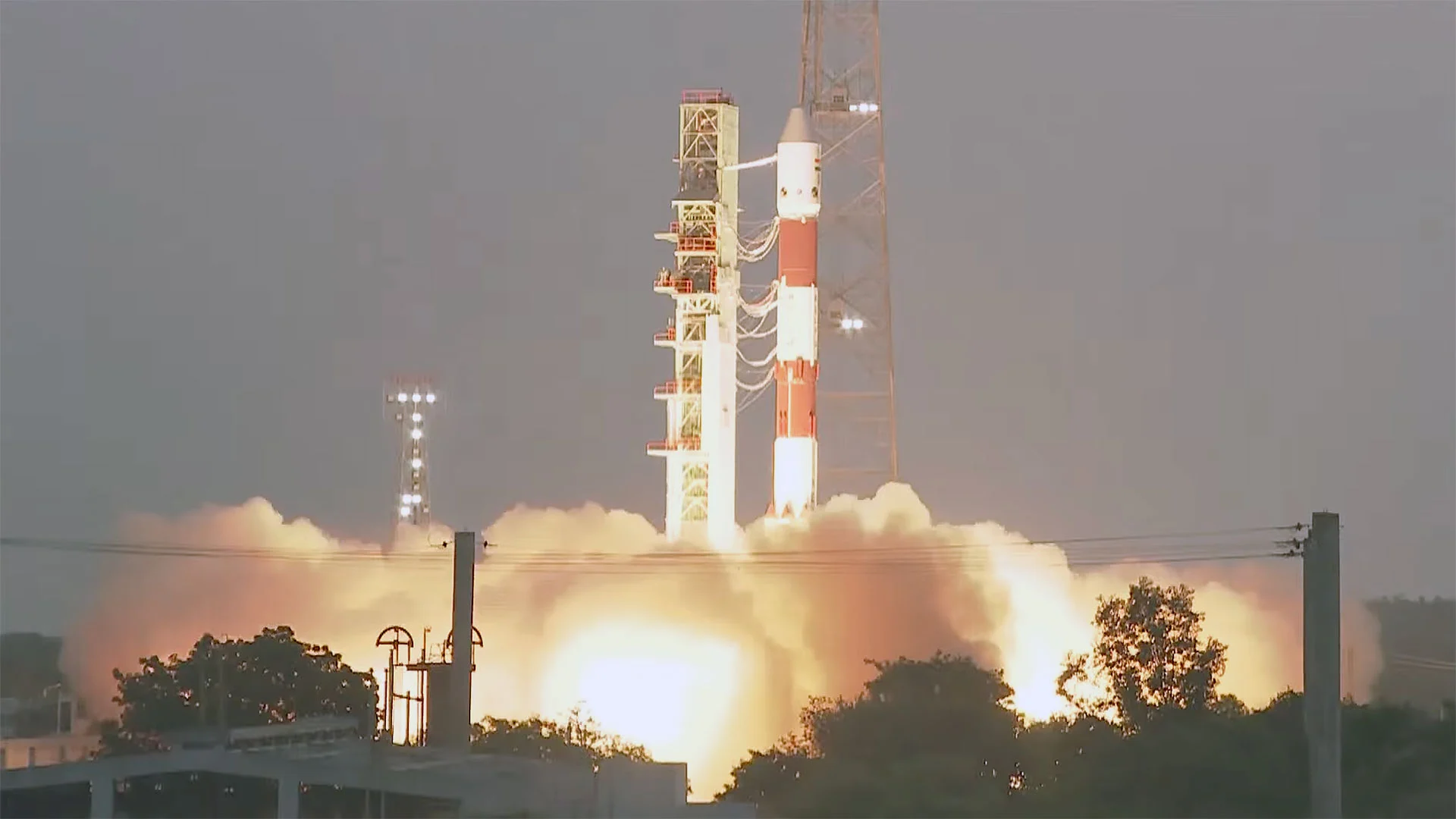
The year 2025 has emerged as a sobering reminder that spaceflight remains an unforgiving endeavor. Despite rapid advancements in rocket reuse, automation, and private-sector innovation, the global space industry recorded an unusually high number of orbital launch failures. From fiery mid-air breakups to failed stage separations, rockets operated by both emerging startups and established space powers fell short of reaching orbit at an alarming rate.
Industry analysts say the trend reflects not a single flaw, but a convergence of technological risk-taking, crowded launch schedules, and evolving propulsion systems being pushed to their limits.
🔥 What Counts as a Rocket Failure?
In spaceflight terms, a failure doesn’t always mean a dramatic explosion. In 2025, incidents included:
-
Rockets failing to reach planned orbit
-
Upper-stage engine shutdowns mid-flight
-
Payloads deployed into incorrect trajectories
-
Loss of vehicle during reentry or booster recovery
-
Guidance, navigation, or software errors
Even partial failures—where rockets technically launched but failed mission objectives—were tallied in annual statistics.
📊 The Numbers: How Bad Was 2025?
According to aggregated launch data from global space agencies and commercial tracking firms, 2025 recorded a noticeably higher failure rate compared to the previous three years.
While total launches increased sharply due to mega-constellation deployments and national security missions, the proportion of failed or partially failed launches also rose, breaking the steady reliability gains seen since the late 2010s.
Several months in 2025 saw multiple failures within weeks, amplifying concerns across the aerospace sector.
🧪 Aggressive Innovation Came at a Cost
One of the primary reasons behind the spike was aggressive innovation. Many companies flew:
-
Newly redesigned engines
-
Lightweight composite fuel tanks
-
Experimental methane propulsion systems
-
Revised avionics and autonomous flight software
In several cases, rockets were launched before completing long-duration ground testing, as companies raced to meet commercial contracts and government deadlines.
Spaceflight experts note that innovation is essential—but rockets offer little margin for error.
🏗️ New Players, Steep Learning Curves
2025 also marked a surge in first- and second-generation orbital launches by newer aerospace startups. While this signals healthy competition, early-stage rockets historically suffer higher failure rates.
Several crashes involved vehicles attempting:
-
First orbital insertion
-
First reusable booster recovery
-
First multi-payload deployments
Veteran engineers stress that even minor miscalculations—sensor noise, vibration resonance, or valve timing—can cascade into total mission loss.
🌐 Crowded Skies and Launch Pressure
With satellite internet constellations expanding rapidly, launch providers faced unprecedented schedule pressure. Some rockets flew with shortened refurbishment timelines or overlapping test campaigns.
Regulatory approvals, weather windows, and range availability further compressed schedules, increasing the likelihood of overlooked anomalies.
In short, more launches in less time raised systemic risk.
🧠 Software Errors and AI Automation Risks
Another emerging factor in 2025 was the growing reliance on AI-assisted flight systems. While automation improves efficiency, several investigations linked failures to:
-
Incorrect sensor fusion
-
Software logic conflicts
-
Autonomous abort decisions triggering too late—or too early
As rockets become more software-defined, ensuring reliability now requires not only mechanical validation, but extensive code verification under edge-case conditions.
🌑 Geopolitical and Environmental Challenges
Global tensions also played a role. Some launches were conducted under accelerated national security timelines, leaving little room for delays.
Meanwhile, launches from equatorial and polar sites faced unusual upper-atmospheric conditions, including stronger-than-expected wind shear and plasma interference, complicating ascent profiles.
🔧 Lessons Learned and What Comes Next
Despite the setbacks, industry leaders emphasize that failure analysis drives progress. Most affected launch providers have already announced:
-
Redesigned engines and fuel systems
-
Extended ground testing cycles
-
Improved telemetry redundancy
-
Slower rollout of experimental upgrades
History shows that periods of elevated failures often precede major reliability breakthroughs.
🚀 A Reality Check for the New Space Age
The events of 2025 serve as a powerful reminder: spaceflight remains brutally complex, no matter how advanced the technology becomes. As launch cadence accelerates and competition intensifies, balancing innovation with caution will define the next chapter of orbital access.
For now, 2025 stands as a pivotal year—one that forced the global space industry to confront the limits of speed, ambition, and risk.