 TECH TIMES NEWS
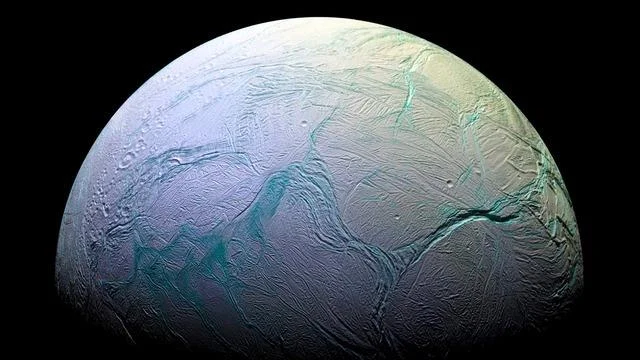
In a groundbreaking revelation, NASA scientists have detected complex organic molecules spewing from Saturn’s icy moon, Enceladus, reigniting discussions about the potential for extraterrestrial life within our solar system. The data, analyzed from Cassini spacecraft’s archived observations, reveals the presence of organic compounds containing carbon, hydrogen, oxygen, and nitrogen—key ingredients for life as we know it.
Cassini Data Uncovers Hidden Chemical Complexity
Although Cassini concluded its mission in 2017, the treasure trove of information it gathered continues to produce major discoveries. Using advanced spectroscopic analysis, researchers identified complex carbon-based compounds within the water vapor and ice particles ejected from Enceladus’ south polar region. These materials are believed to originate from a subsurface ocean beneath the moon’s icy crust.
Organic Molecules Hint at Prebiotic Chemistry
The discovery suggests that Enceladus’ subsurface ocean may host chemical reactions similar to those that led to life on Earth. Scientists believe the moon’s rocky core interacts with liquid water, generating heat and chemical energy that could sustain microbial ecosystems. The detected compounds include aromatic hydrocarbons and nitrogen-rich molecules, both crucial for forming amino acids and other biological materials.
Astrobiologists Excited by the Findings
Astrobiologists consider Enceladus one of the most promising places to search for life beyond Earth. NASA’s upcoming Enceladus Orbilander mission proposal aims to further explore the moon’s plumes to directly sample and analyze the organic material. If confirmed, the presence of complex molecules could mark a pivotal moment in understanding the habitability of ocean worlds.
Implications for the Search for Life Beyond Earth
This latest discovery broadens the scientific view that life may not be unique to Earth. Ocean worlds like Enceladus and Europa harbor environments where biological processes could occur, even in the absence of sunlight. The detection of complex organic compounds offers a tantalizing clue that life’s building blocks are more widespread across the cosmos than previously believed.