 TECH TIMES NEWS
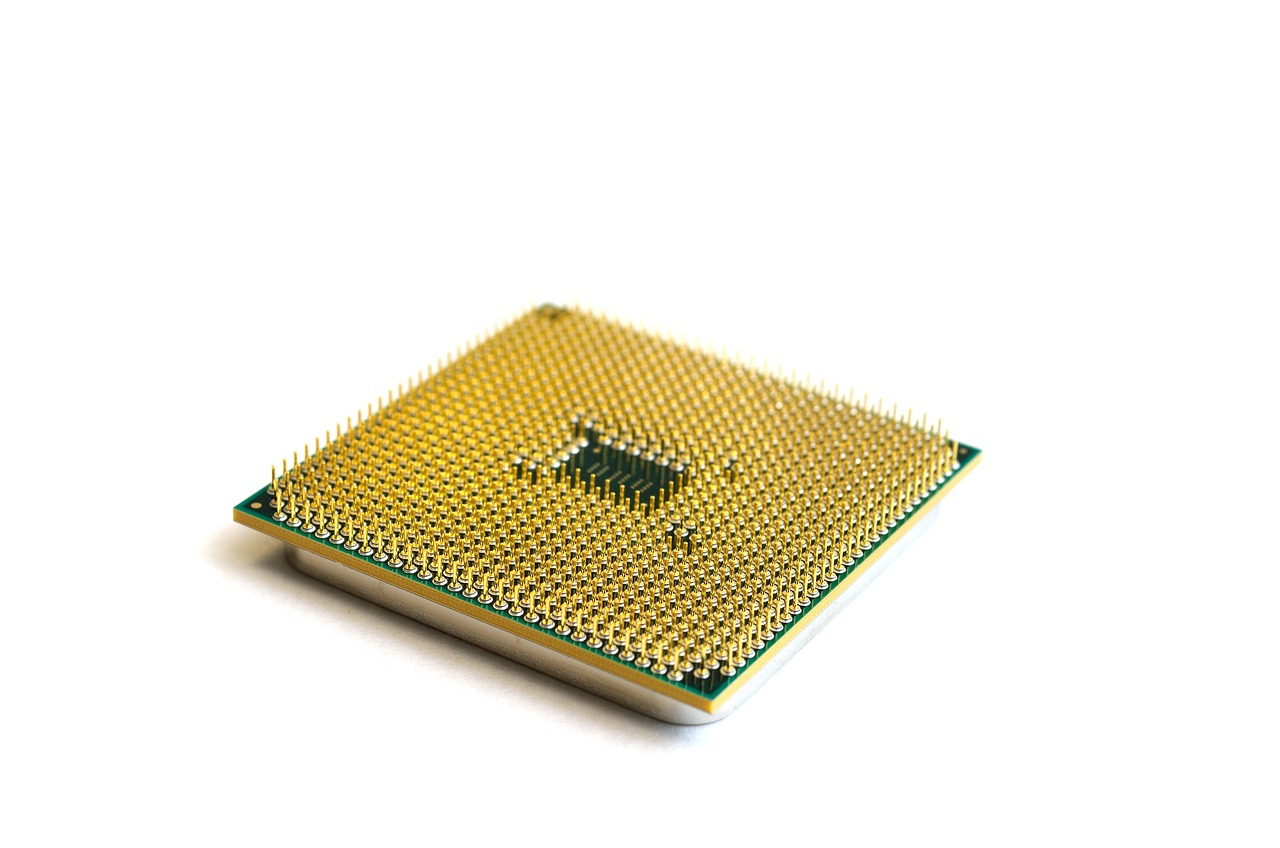
Semiconductors are the unsung heroes of the modern digital age, quietly powering the devices and systems that define our daily lives. From smartphones and home appliances to life-saving medical devices and cutting-edge artificial intelligence (AI) systems, these tiny but powerful materials form the backbone of modern technology.
Why Semiconductors Matter
At the heart of a semiconductor’s function is its ability to control the flow of electricity — a property that enables the creation of complex electronic circuits. Semiconductors are crafted from materials, typically silicon, that can either insulate or conduct electricity depending on how they are treated. This is achieved through a process called doping, where impurities are introduced into the material to modify its electrical properties, or through light absorption, which creates conditions for electrical flow.
This ability to switch electrical currents on and off underpins the functioning of all digital devices. Essentially, semiconductors act as the “brain” of modern electronics, enabling everything from data processing to wireless communication.
A Legacy of Innovation
Since the 1950s, the U.S. National Science Foundation (NSF) has been at the forefront of semiconductor research, funding groundbreaking work that has shaped the evolution of this critical technology. The NSF’s support has spurred major advancements in semiconductor design and manufacturing, contributing to the rise of microchips, integrated circuits, and other foundational components that have driven the digital revolution.
"Semiconductors are at the core of virtually every modern technology," said Dr. Sethuraman Panchanathan, Director of the NSF. "Our investments in semiconductor research have not only advanced the field but also paved the way for transformative innovations in artificial intelligence, quantum computing, and beyond."
Powering the Technologies of Tomorrow
Today, semiconductors are more important than ever. The rapid rise of AI, electric vehicles (EVs), and 5G networks relies heavily on advanced semiconductor technology. AI systems, for example, require powerful processors capable of handling massive amounts of data at high speeds. This is made possible by semiconductors with billions of transistors, packed into chips smaller than a fingernail.
Similarly, the development of EVs depends on specialized power semiconductors that can efficiently convert electricity to drive motors and manage battery performance. Advanced wireless networks, such as 5G and future 6G systems, rely on semiconductors that enable high-frequency signal processing and fast data transmission.
Meeting the Challenges Ahead
Despite their success, the semiconductor industry faces significant challenges. Supply chain disruptions, geopolitical tensions, and increasing competition from global markets have highlighted the need for strategic investments in domestic manufacturing and research.
In response, the U.S. government has prioritized semiconductor development through initiatives like the CHIPS and Science Act, which allocates billions of dollars to boost domestic production and reduce dependency on foreign supply chains. The NSF plays a central role in these efforts, funding research to improve chip design, manufacturing processes, and materials science.
"The future of technology depends on our ability to innovate in semiconductor research," said Dr. Panchanathan. "The NSF is committed to supporting the scientific discoveries and technological breakthroughs that will keep the U.S. at the forefront of this vital industry."
A Future Built on Semiconductors
As the demand for faster, smaller, and more efficient technology grows, the role of semiconductors will only become more critical. From powering smart homes and autonomous vehicles to enabling breakthroughs in healthcare and communications, these tiny materials are set to drive the next wave of technological advancement.
The story of semiconductors is not just one of scientific progress — it’s a testament to human ingenuity and the power of sustained investment in research and innovation. With the continued support of organizations like the NSF, the future of semiconductors — and the technologies they enable — looks brighter than ever.
News Source : U.S. National Science Foundation (NSF)