 TECH TIMES NEWS
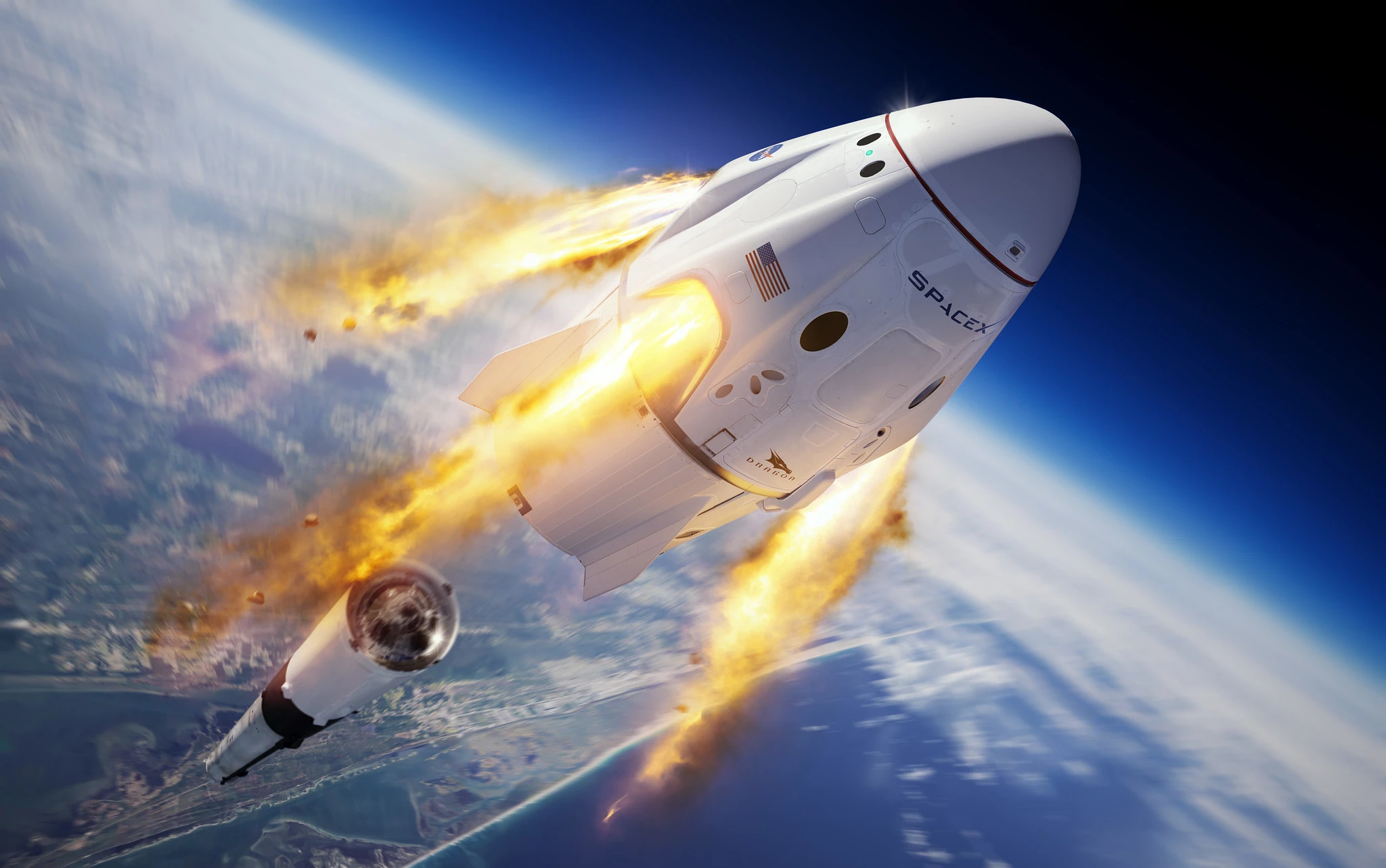
SpaceX has emerged as the world’s most active launch company, a title backed by its consistently high number of orbital missions each year. Leveraging its Falcon 9 rocket—designed for rapid reusability—the company has significantly reduced launch costs while increasing mission frequency. In recent years, SpaceX has conducted dozens of launches annually, outpacing traditional aerospace players and even national space agencies.
This aggressive cadence is not just about numbers. It reflects a fundamental shift in how space access is approached—moving from rare, high-cost missions to routine, scalable operations. For commercial clients, governments, and satellite operators, this means faster deployment timelines and lower barriers to entry.
Reusable Rocket Technology: The Core Advantage
At the heart of SpaceX’s dominance is its reusable rocket system. The Falcon 9’s first-stage boosters routinely return to Earth and land vertically, often being reused multiple times. This innovation has driven down the cost per launch dramatically compared to traditional expendable rockets.
The economic implications are substantial. Lower launch costs have enabled the rapid expansion of satellite constellations like Starlink, while also attracting a broader range of customers—from startups to international space agencies. Reusability has effectively turned rockets from single-use hardware into repeatable infrastructure.
Starship: The Key to Interplanetary Ambitions
While Falcon 9 dominates current operations, SpaceX’s long-term vision hinges on Starship—a fully reusable, next-generation spacecraft designed for deep space missions. Unlike previous rockets, Starship aims to carry large payloads and potentially hundreds of passengers on journeys to the Moon, Mars, and beyond.
The company has conducted multiple test flights of Starship, steadily improving its design and performance. Despite technical challenges and regulatory hurdles, the program represents one of the most ambitious engineering efforts in modern aerospace. If successful, Starship could reduce the cost of reaching orbit—and eventually other planets—by an order of magnitude.
Mars as the Ultimate Destination
Elon Musk has repeatedly stated that SpaceX’s ultimate goal is to make humanity a multi-planetary species, with Mars as the primary target. The vision includes establishing a self-sustaining colony capable of supporting human life independent of Earth.
Achieving this will require breakthroughs not just in launch systems, but also in life support, in-situ resource utilization, and long-duration space travel. SpaceX’s current launch dominance is, in many ways, a stepping stone—building the infrastructure, expertise, and financial foundation needed for such an ambitious endeavor.
Impact on Global Space Competition
SpaceX’s rapid progress is forcing competitors to adapt. Traditional aerospace giants and emerging private companies are accelerating their own reusable rocket programs. Meanwhile, governments are rethinking procurement strategies to remain competitive in a landscape increasingly driven by commercial innovation.
NASA, for example, has partnered with SpaceX for multiple missions, including crewed flights to the International Space Station and upcoming lunar initiatives under the Artemis program. International players, including Europe and China, are also investing heavily in reusable technologies to close the gap.
Challenges on the Road Ahead
Despite its achievements, SpaceX faces significant challenges. Starship development remains complex, with technical risks and regulatory scrutiny slowing progress. Additionally, scaling interplanetary travel introduces unknown variables—from human health risks in deep space to the logistics of sustaining life on another planet.
There are also broader concerns around space traffic management, orbital debris, and the environmental impact of increased launch activity. As SpaceX continues to expand its operations, these issues will require careful coordination with regulators and international stakeholders.
The Bigger Picture: A Shift Toward Routine Space Travel
SpaceX’s rise signals more than just corporate success—it marks a turning point in human space activity. By making launches more frequent and affordable, the company is laying the groundwork for a future where space travel is not an exception, but a normalized extension of human capability.