 TECH TIMES NEWS
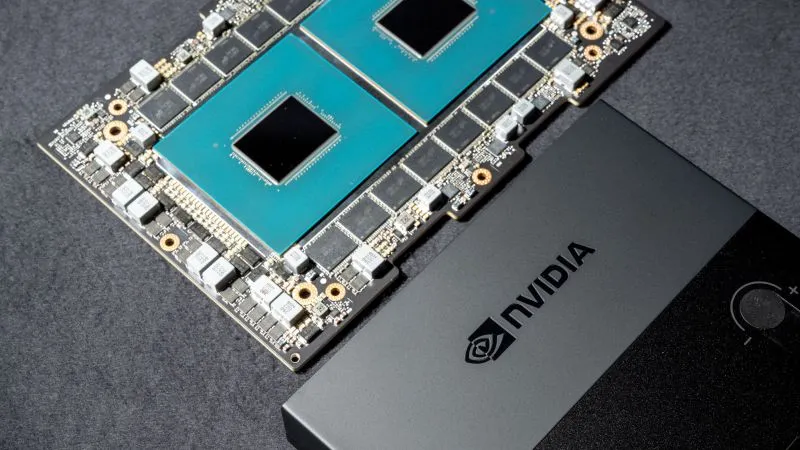
The U.S. government has reportedly granted Nvidia a license to export certain high-performance chips to China, despite ongoing trade restrictions aimed at limiting Beijing’s access to advanced semiconductor technology. This move comes after months of tension between Washington and U.S. chipmakers, as strict export rules impacted billions in potential revenue for companies like Nvidia.
Background: Tightening Controls on AI Chips
In 2022 and 2023, the U.S. imposed sweeping export controls to curb China’s access to AI and high-performance computing chips, citing national security concerns. Nvidia was particularly affected as its A100 and H100 AI chips fell under the restricted list. To maintain business ties, Nvidia designed modified versions for China, but even those were later caught in the tightening regulatory net.
What the License Covers
According to industry sources, the new export license allows Nvidia to supply specific lower-performance models to Chinese clients without breaching U.S. national security safeguards. These chips reportedly meet technical thresholds set by the U.S. Commerce Department, ensuring they can be used for commercial AI applications but not military or sensitive supercomputing projects.
Industry Reactions and Market Impact
The news has been welcomed by investors, with Nvidia’s stock rising in pre-market trading. Analysts note that while this license could boost short-term revenue, it doesn’t represent a full reopening of the Chinese market. Competitors like AMD and Intel may also seek similar clearances to safeguard their market share in China.
Geopolitical Implications
This decision reflects a balancing act by Washington—supporting U.S. corporate interests while maintaining national security measures against China’s technological advancements. Experts warn that future licenses may face political pushback, particularly in light of escalating U.S.-China tensions over Taiwan and trade policy.