 TECH TIMES NEWS
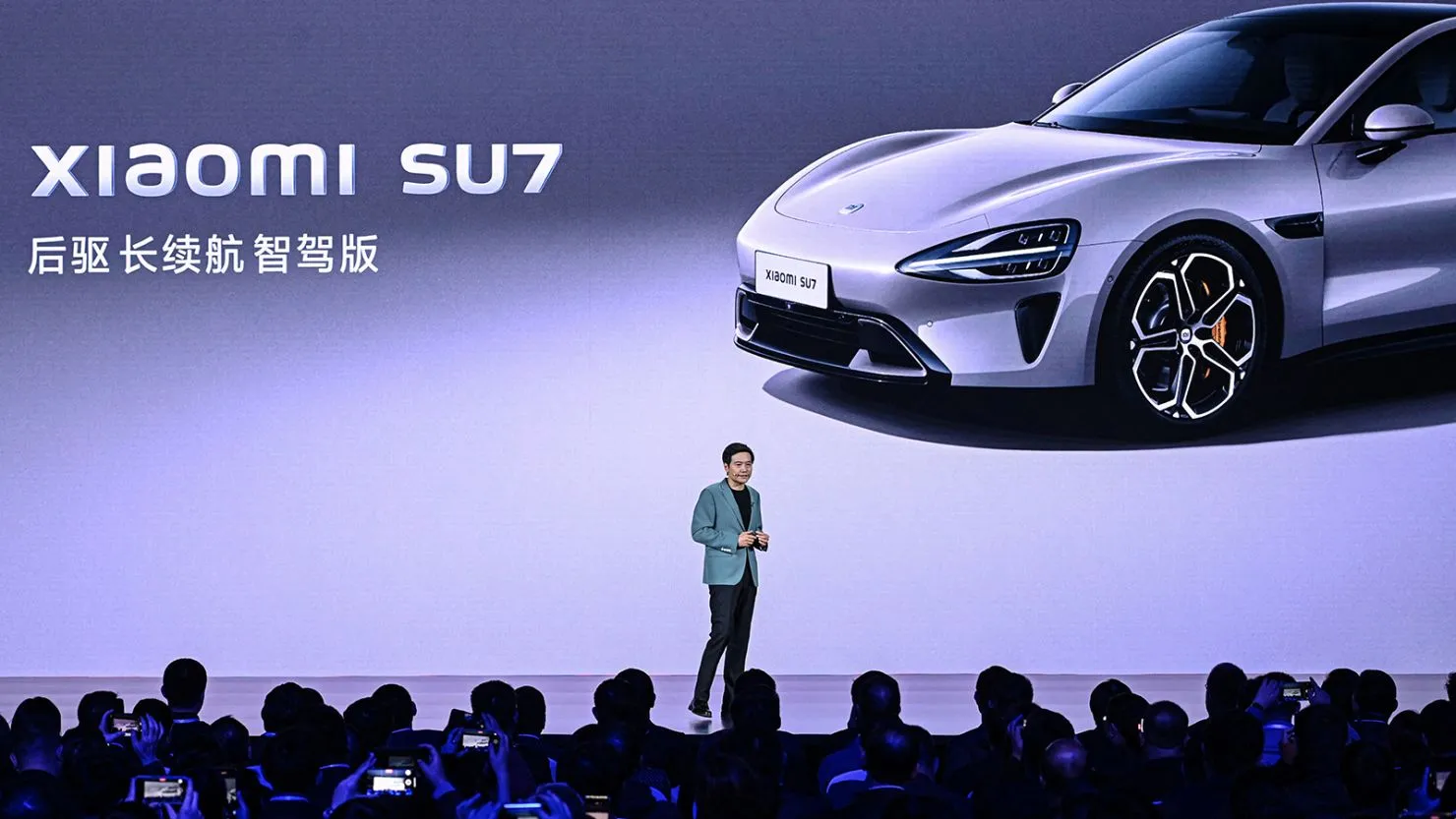
Chinese tech giant Xiaomi is gearing up to take its electric vehicle (EV) ambitions beyond domestic borders, with plans to start selling its EVs in international markets by 2027. The company’s president, Lu Weibing, revealed this timeline during recent discussions about Xiaomi’s long-term automotive strategy, marking a significant step in its push into the competitive EV sector.
Xiaomi’s EV Journey So Far
Xiaomi officially entered the EV market with the launch of its first electric car, the Xiaomi SU7, in December 2023. The vehicle, a high-performance electric sedan, generated significant buzz for its sleek design, cutting-edge technology, and competitive pricing. The company aims to position itself as a formidable challenger to established automakers, including Tesla, BYD, and Nio.
The first batch of Xiaomi’s electric cars is expected to be delivered in China by 2024, focusing initially on the domestic market. Xiaomi has heavily invested in smart EV technology, leveraging its expertise in artificial intelligence, connectivity, and software-driven ecosystems to integrate its cars seamlessly with its existing product lineup.
2027: The Year of Global Expansion
Lu Weibing’s announcement underscores Xiaomi’s ambitions to expand its EV footprint globally. The 2027 timeline allows the company time to:
-
Establish a solid foundation in China before scaling up production for international markets.
-
Enhance its smart driving technology to ensure its vehicles meet global standards.
-
Develop necessary infrastructure for sales, service, and charging networks in key markets.
While Xiaomi has not disclosed specific countries for its overseas launch, industry experts speculate that regions such as Europe and Southeast Asia could be among the first to receive Xiaomi’s EVs, given the growing demand for smart electric vehicles in those markets.
Massive Investments and Competition
Xiaomi has committed $10 billion over the next decade to its EV division, demonstrating its determination to compete with major players in the industry. The company has also built a state-of-the-art manufacturing facility in Beijing, capable of producing up to 300,000 vehicles annually in its initial phase.
Despite Xiaomi’s strong technological edge, the company faces intense competition from established EV manufacturers like Tesla, BYD, and Volkswagen, all of whom have well-established global supply chains and brand recognition. However, Xiaomi hopes to differentiate itself by offering a seamless smart ecosystem that integrates its cars with its vast range of consumer electronics, from smartphones to smart home devices.
What’s Next for Xiaomi’s EV Ambitions?
Before expanding globally, Xiaomi’s focus remains on achieving success in China, the world’s largest EV market. The company plans to refine its autonomous driving technology, increase production efficiency, and improve battery performance to ensure its vehicles can compete on a global scale.
With the 2027 timeline set, Xiaomi is positioning itself as a serious contender in the global EV race. If successful, its foray into electric vehicles could reshape the automotive landscape, blending cutting-edge smart technology with sustainable transportation.
As Xiaomi gears up for its international push, the global auto industry will be watching closely to see whether the Chinese tech giant can replicate its smartphone success in the competitive world of electric vehicles.