 TECH TIMES NEWS
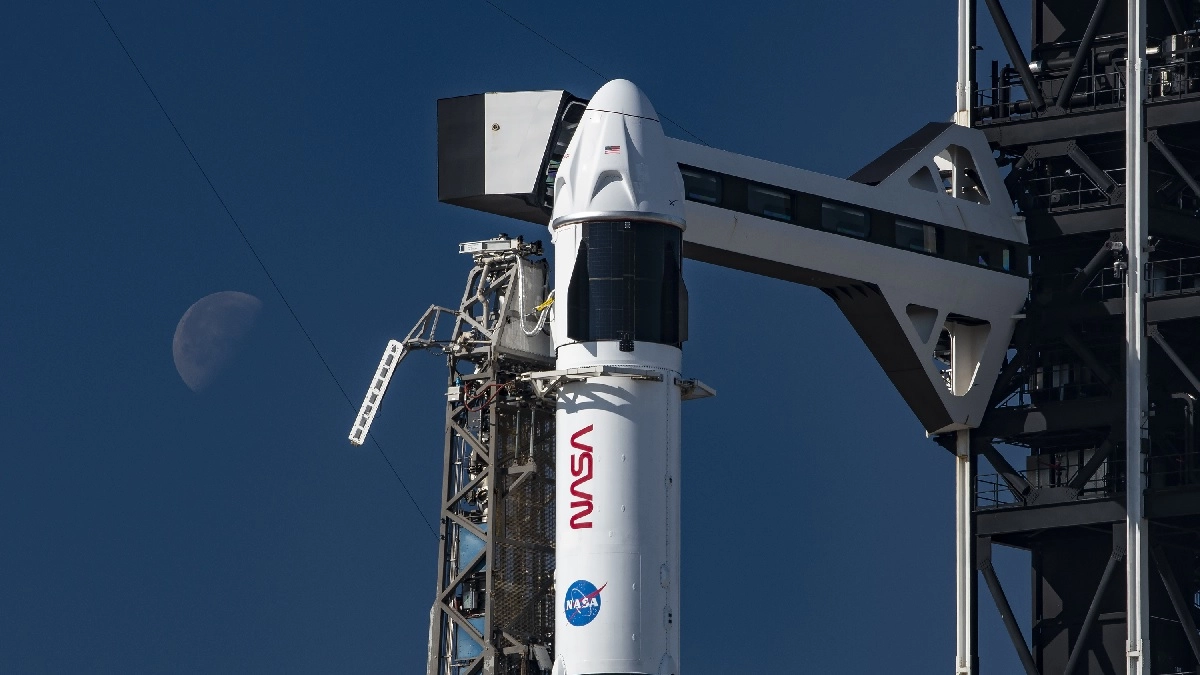
NASA and SpaceX have postponed the launch of the Crew-12 mission to the International Space Station (ISS), pushing liftoff from February 11 to no earlier than February 12. The decision was made due to unfavorable weather conditions around the launch site, officials confirmed.
Mission managers opted for the delay after forecasts indicated conditions that did not meet strict safety criteria required for a crewed launch. Weather plays a critical role in rocket launches, influencing everything from ascent trajectories to emergency abort scenarios.
Four-Member International Crew Remains in Quarantine
The Crew-12 team, composed of four astronauts representing multiple international space agencies, remains in pre-launch quarantine. Standard quarantine protocols are designed to protect both the crew and the ISS environment from potential illnesses prior to departure.
Despite the delay, the astronauts continue routine preparations, simulations, and briefings as they await the revised launch opportunity.
Falcon 9 and Crew Dragon Under Final Preparations
SpaceX teams are continuing final checks on the Falcon 9 rocket and Crew Dragon spacecraft. The launch vehicle is set to lift off from NASA’s Kennedy Space Center in Florida.
Engineers are carefully reviewing weather data, propulsion systems, and spacecraft readiness to ensure a safe launch window. Falcon 9 has become a proven workhorse for NASA’s Commercial Crew Program, successfully transporting multiple astronaut crews to the ISS in recent years.
Mission Objectives Aboard the ISS
Once launched, Crew-12 will embark on a months-long mission aboard the orbiting laboratory. The team is expected to conduct scientific experiments, technology demonstrations, and maintenance operations critical to long-duration human spaceflight.
Research aboard the ISS contributes to advancements in medicine, materials science, Earth observation, and preparations for future missions to the Moon and Mars under NASA’s Artemis program.
Weather: A Common Launch Variable
Launch delays due to weather are not uncommon in spaceflight operations. Factors such as high winds, cloud cover, lightning risks, and recovery zone conditions for the returning Falcon 9 booster are closely monitored before giving the final “go” for liftoff.