 TECH TIMES NEWS
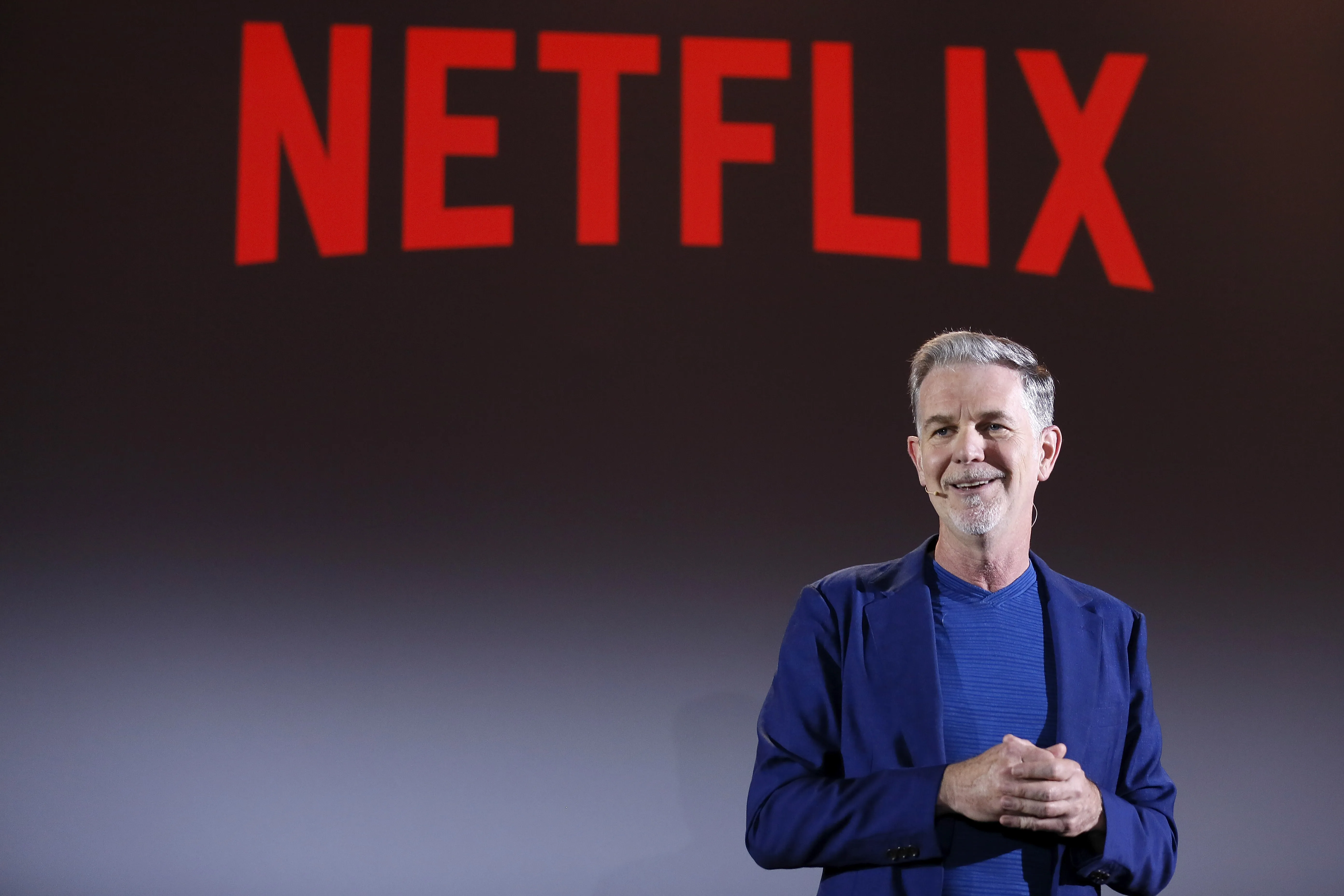
Netflix is entering a new chapter as co-founder Reed Hastings steps away from an active leadership position, a move that has already rattled investor confidence. Shares of the streaming giant dipped following the announcement, reflecting market uncertainty around the company’s future direction without its long-time visionary at the helm.
Hastings, who co-founded Netflix in 1997 and played a pivotal role in transforming it from a DVD rental service into a global streaming powerhouse, will transition into a more limited role. His departure from day-to-day decision-making marks the end of an era that shaped modern digital entertainment.
Market Reacts Swiftly to Leadership Transition
The immediate decline in Netflix’s stock highlights how closely the company’s identity has been tied to Hastings. Investors often view founder-led companies as more stable in terms of long-term vision, and any shift can trigger concerns about strategic continuity.
While the exact percentage drop may vary depending on market conditions, the reaction underscores a broader pattern seen across tech stocks—leadership changes tend to introduce short-term volatility, especially when the departing figure is as influential as Hastings.
Who Takes Charge Now?
With Hastings stepping back, the leadership responsibility now rests firmly with co-CEOs Ted Sarandos and Greg Peters. Sarandos, known for driving Netflix’s content strategy, and Peters, who has been instrumental in product and expansion, represent a blend of creative and operational leadership.
This dual-CEO structure is not new for Netflix, but Hastings’ reduced involvement shifts more pressure onto the duo to maintain growth momentum, manage costs, and steer innovation in an increasingly crowded streaming market.
Strategic Challenges Ahead
The leadership change comes at a time when Netflix is navigating several critical challenges:
- Intensifying competition from platforms like Disney+, Amazon Prime Video, and regional players
- Shift toward ad-supported tiers, a major pivot from its traditional subscription-only model
- Content spending pressures, with rising production costs and demand for global hits
- Subscriber growth saturation in mature markets
Hastings was known for bold, sometimes unconventional decisions—such as early investments in original content and international expansion. The question now is whether the current leadership will maintain that same risk appetite.
Investor Concerns vs Long-Term Stability
Despite the short-term dip in shares, some analysts argue that Netflix’s fundamentals remain intact. The company continues to have a massive global subscriber base, strong brand recognition, and a maturing advertising business that could unlock new revenue streams.
However, leadership transitions often create a perception gap. Investors are not just evaluating current performance—they are pricing in expectations about future execution. Hastings’ absence introduces an element of uncertainty that markets typically dislike.
What This Means for the Streaming Industry
Hastings’ step back is not just a Netflix story—it signals a broader shift in the tech and media landscape where founder-led companies are gradually transitioning to professionalized management structures.
For competitors, this could be an opportunity to capitalize on any strategic hesitation. For Netflix, it is a test of whether its culture and systems are strong enough to operate independently of its founding figure.
The Takeaway
Reed Hastings stepping away marks a symbolic and strategic turning point for Netflix. While the company is far from losing its dominance, the market’s reaction shows that leadership still matters deeply in shaping investor confidence.
The coming quarters will be critical. If Sarandos and Peters can deliver consistent growth, expand the ad business, and maintain content quality, the current dip may prove temporary. If not, this transition could redefine Netflix’s trajectory in a rapidly evolving streaming ecosystem.