 TECH TIMES NEWS
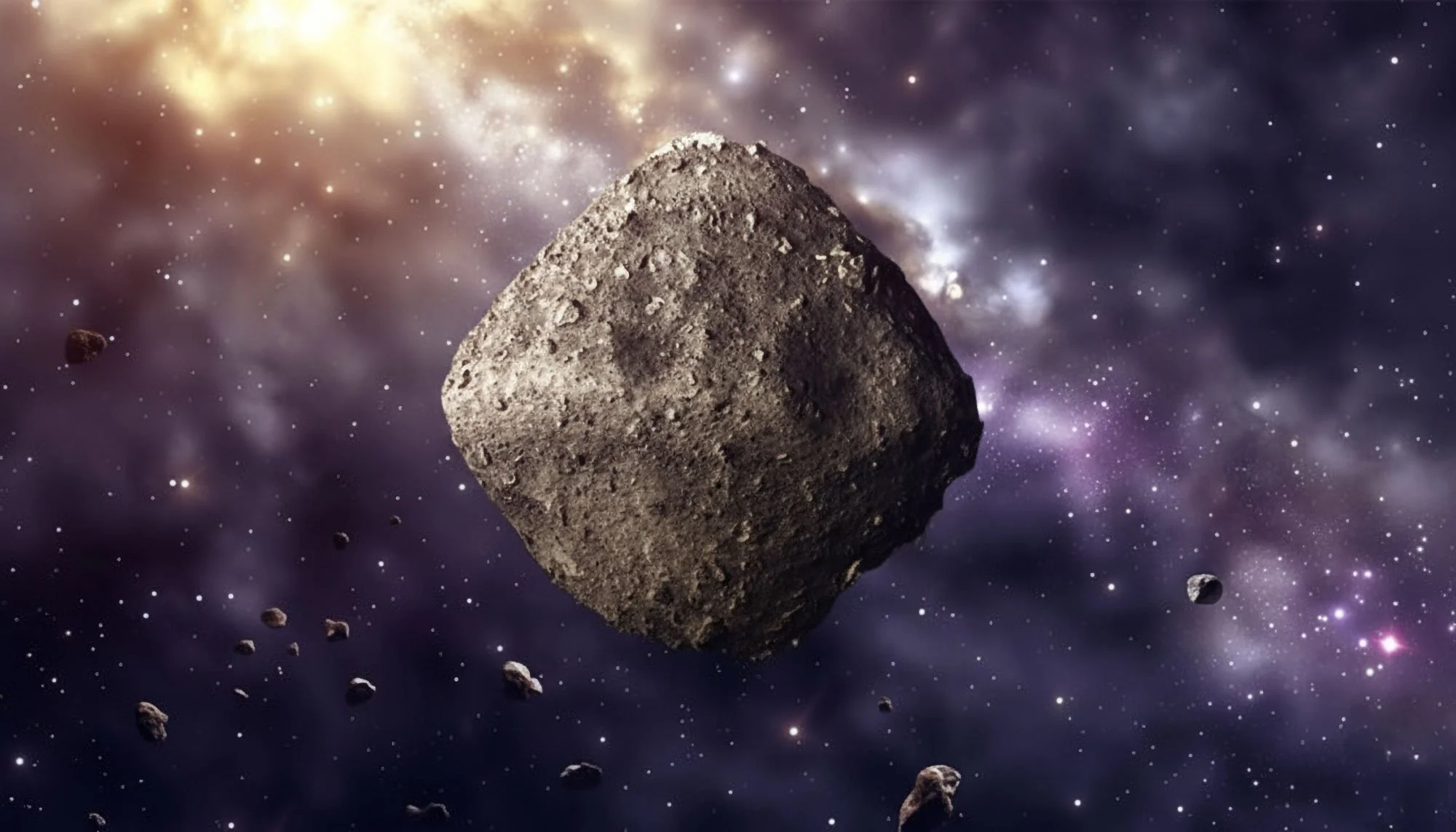
In a groundbreaking revelation, scientists studying samples from Japan’s Hayabusa2 mission have confirmed that the near-Earth asteroid Ryugu once experienced persistent water activity for nearly a billion years. The findings suggest that Ryugu’s parent body—likely a much larger asteroid that broke apart—had conditions capable of sustaining long-term liquid water alteration, reshaping existing theories about asteroid evolution and the early solar system.
Chemical Clues to Ryugu’s Watery Past
The research, published in Nature Astronomy, analyzed the mineral composition and isotopic ratios of Ryugu’s surface material. Scientists identified hydrated minerals, including serpentine and carbonates, which can only form in the presence of liquid water. These minerals indicated that low-temperature aqueous alteration occurred roughly 4.6 billion years ago and persisted for about one billion years, revealing a surprisingly complex geologic history.
Evidence of a Larger Parent Body
According to the Japan Aerospace Exploration Agency (JAXA), the data implies that Ryugu originated from a larger parent asteroid—possibly several tens of kilometers wide—that hosted internal heat sufficient to keep water liquid for extended periods. This parent body likely fragmented after collisions, leaving Ryugu as a smaller, rubble-pile remnant carrying ancient signatures of water activity.
Implications for Planetary Science and Life’s Origins
The discovery strengthens the theory that water and organic molecules, critical ingredients for life, could have been transported to Earth via such asteroids. By revealing that small bodies can preserve billion-year aqueous histories, the Ryugu samples bridge the understanding between early solar system chemistry and the emergence of habitable conditions on Earth.
International Collaboration and Future Missions
The Hayabusa2 mission, launched by JAXA in 2014 and returning samples in 2020, continues to be a scientific treasure trove. Teams from Japan, the U.S., and Europe are still examining the pristine material, comparing it with data from NASA’s OSIRIS-REx Bennu mission to better understand how widespread water alteration was among primitive asteroids.
A Window into the Early Solar System
Ryugu’s billion-year water history marks one of the strongest pieces of evidence yet that water-rich environments were common in the solar system’s infancy. As scientists continue analyzing the asteroid’s fine-grained particles, the tiny fragments are rewriting our understanding of how the solar system—and possibly life—took shape billions of years ago.