 TECH TIMES NEWS
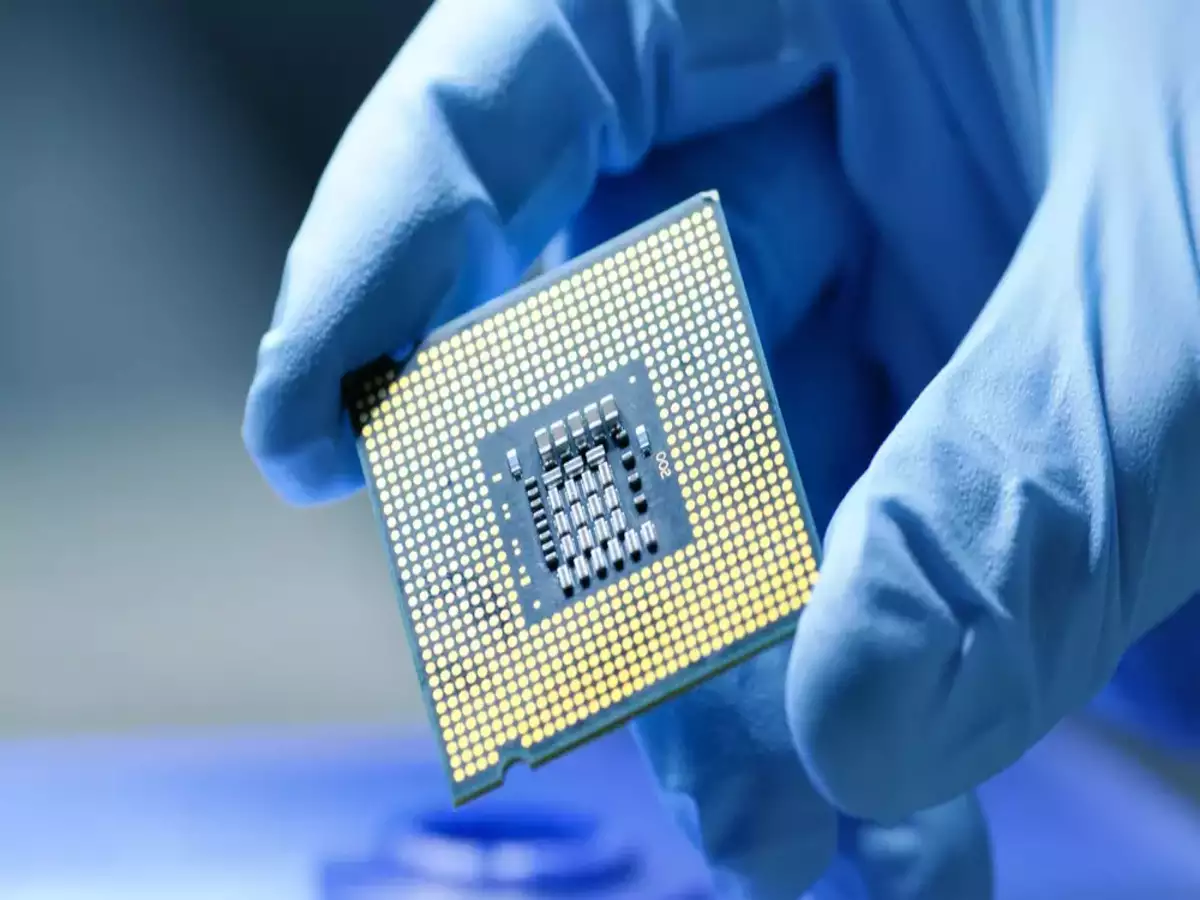
In a significant escalation of trade tensions, the Biden administration has initiated investigations into the microchip and pharmaceutical industries, signaling the possibility of imposing new tariffs on foreign imports. The probes, which were formally announced on Monday, could have profound implications for global trade, particularly with countries like China, India, and several European nations.
Probes into Microchips and Pharmaceuticals
The U.S. Trade Representative (USTR) and the Department of Commerce confirmed the launch of the investigations, which will look into the potential national security risks posed by foreign reliance on critical microchips and pharmaceutical products. According to U.S. officials, the goal is to ensure that these key sectors are not overly dependent on foreign suppliers, which could pose strategic vulnerabilities in times of geopolitical tensions.
The probe into microchips is particularly sensitive as the U.S. continues to face increasing competition in semiconductor production from countries like Taiwan, China, and South Korea. The Biden administration’s focus on securing a domestic supply chain for advanced semiconductors aligns with broader efforts to strengthen the U.S.’s position in global technology.
Similarly, the pharmaceutical investigation is driven by concerns about the U.S. dependence on foreign manufacturing for essential medications, including life-saving drugs and vaccines. In recent years, the COVID-19 pandemic has highlighted vulnerabilities in the global supply chain, especially for crucial medical supplies.
National Security and Trade Concerns
U.S. officials have emphasized that the investigations are being conducted with an eye toward national security, rather than mere economic protectionism. “The health and safety of our citizens and the security of our country depend on having secure, reliable supply chains for critical goods like microchips and pharmaceuticals,” said U.S. Trade Representative Katherine Tai. “These industries must remain competitive and resilient in the face of global challenges.”
However, the potential imposition of tariffs on foreign imports could exacerbate existing trade tensions, particularly with China. China is a dominant player in both the semiconductor and pharmaceutical markets, and any punitive measures could ignite further retaliatory actions, escalating the global trade war that has already seen tariffs imposed on billions of dollars worth of goods.
Potential Tariffs and Economic Impact
The possibility of tariffs on microchips and pharmaceutical products comes at a time of heightened concern about inflation and economic recovery. Experts are warning that imposing additional tariffs could raise prices for consumers and complicate the already delicate balance of global supply chains.
Microchips are integral to a wide range of industries, from electronics and automobiles to defense and healthcare. The semiconductor shortage that has plagued industries worldwide in recent years has already caused significant disruptions. Tariffs on these products could further limit access to chips, exacerbating supply chain delays and raising production costs for American companies.
Similarly, pharmaceuticals are one of the most sensitive sectors when it comes to international trade. Many common medications and vaccines are manufactured overseas, particularly in India and China. New tariffs on these products could lead to increased costs for patients and healthcare providers in the U.S., potentially affecting everything from prescription drug prices to vaccine distribution.
The Global Response
The announcement of the probes has already sparked reactions from key trade partners. China has voiced concerns about the potential for tariffs on semiconductor and pharmaceutical imports, warning that such actions would disrupt international trade and harm both the U.S. and global economies. European Union officials have also expressed apprehension, noting that the proposed investigations could set a troubling precedent for international trade policies.
“We must ensure that trade policies are grounded in fairness and mutual respect,” said a spokesperson for the European Commission. “Unilateral actions that target specific industries without clear evidence of national security threats undermine the principles of free and fair trade.”
In contrast, some U.S. lawmakers and industry groups have backed the investigations, arguing that the U.S. should take a more aggressive stance in safeguarding critical industries from foreign competition. “For too long, the U.S. has allowed itself to become overly dependent on foreign manufacturing in these crucial sectors,” said Senator Michael Lee (R-UT). “It’s time to prioritize national security and economic independence.”
What’s Next?
The investigations are expected to take several months, with the USTR and Department of Commerce gathering data, consulting industry experts, and holding public hearings. While no specific timeline has been announced, a decision on whether to impose tariffs is expected by the end of the year.
Should tariffs be imposed, it will likely prompt a new round of trade negotiations between the U.S. and its global trading partners. Given the geopolitical significance of the industries involved, this situation will continue to unfold as a key issue in global economic policy.
Industry experts are closely watching the outcome, with many predicting that the U.S. could adopt a more protectionist stance, particularly as it seeks to reduce its reliance on foreign sources of critical goods. However, the ramifications for global trade and the economy as a whole remain uncertain, as both sides prepare for what could be a prolonged period of negotiations and disputes.